 Read More

 Get A Quote

Why Is Your Electromagnetic Flow Meter Signal Unstable, and How Do You Fix Slurry Coating and Grounding Issues?
Home / News / Industry News / Why Is Your Electromagnetic Flow Meter Signal Unstable, and How Do You Fix Slurry Coating and Grounding Issues?
Product Category
NEW Category
Contact us
Contact Us
We specialise in the research, development and manufacture of electrical wires and cables.
 +86 13967196545
Related News
- Why Do Water Flow Meters Lose Accuracy and How Can You Fix Them?
- How Do You Choose the Right Magnetic Flow Meter for Your Process Fluid?
- Electromagnetic Flow Meter vs. Vortex Flow Meter: Principles, Differences, and Selection Guide
- Why Does an Electromagnetic Flow Meter Show Flow in an Empty Pipe? (Causes & Troubleshooting)
Why Is Your Electromagnetic Flow Meter Signal Unstable, and How Do You Fix Slurry Coating and Grounding Issues?
Content
Field Troubleshooting Guide & Technical Best Practices for Process Control Instrumentation
Unstable readings from a high accuracy digital electromagnetic flow meter can severely disrupt industrial process automation and compromise quality control. A sudden drop in flow rate-such as jumping down to 30 L/h, followed by inconsistent readings averaging around 130 L/h after hours of line flushing is a classic symptom experienced by maintenance teams handling challenging media.
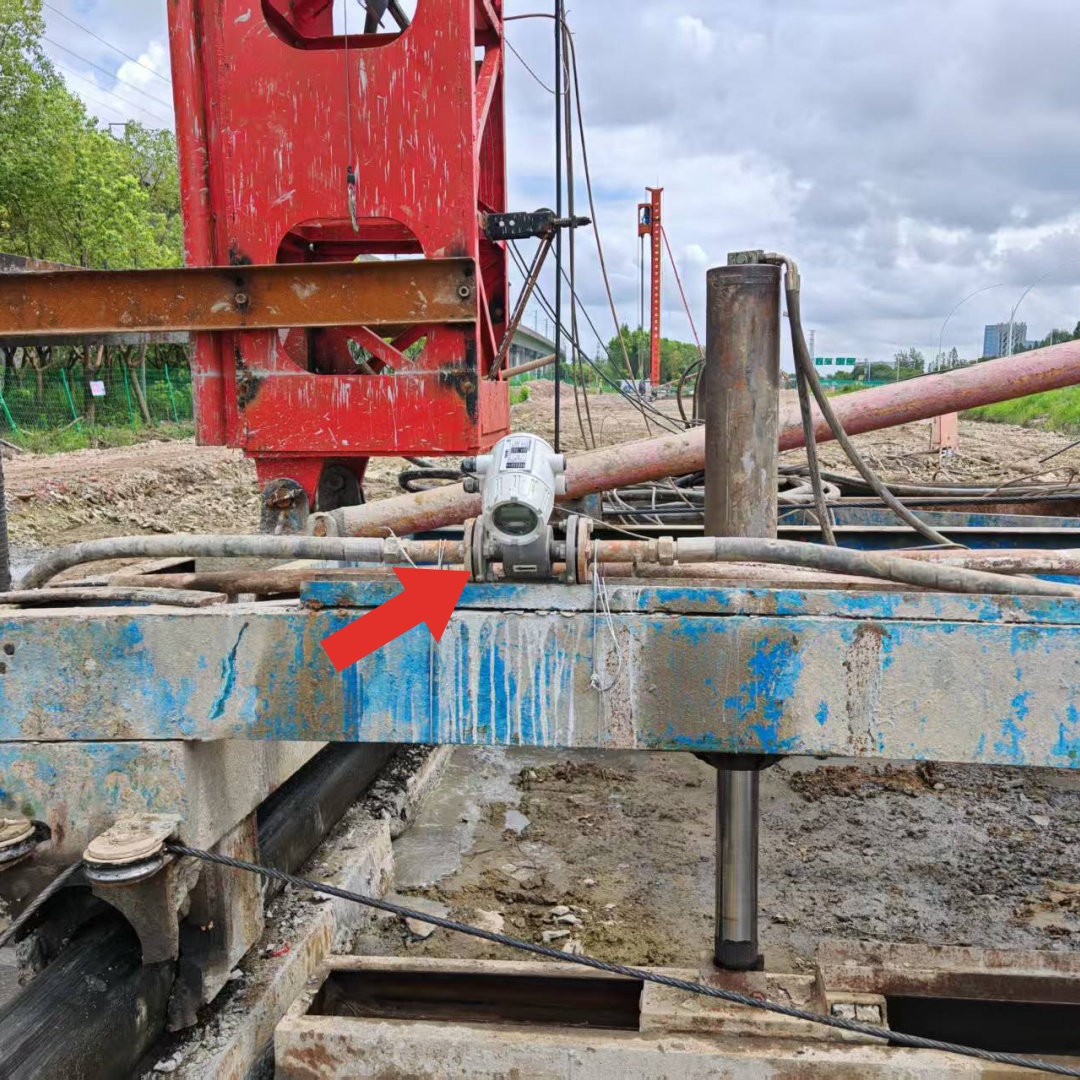
If flushing the pipeline provides only temporary relief, the root cause usually points to two main issues: sensor electrode fouling and improper electrical grounding.
Root Cause Analysis: Slurry Coating and Grounding Interference
Electromagnetic flow meters operate on Faraday's Law of Electromagnetic Induction. For the sensor to measure conductive fluids accurately, the internal electrodes must maintain direct, uninhibited electrical contact with the process medium.
1. Electrode Coating (Slurry & Mud Accumulation)
When measuring slurry, mud, wastewater, or media high in suspended solids, sticky deposits build up over the sensor lining and electrodes. This slurry coating acts as an insulating layer, disrupting the microvolt signal and causing erratic readings, sudden drops in flow rate, or false empty-pipe alarms.
2. Signal Noise and MT Value Fluctuations
Mag meters detect tiny signals induced by fluid movement within a magnetic field. Without a dedicated, low-resistance reference ground, stray electrical currents in the piping system interfere with the signal path. This leads to unstable empty-pipe threshold (MT) values and fluctuating readings on the transmitter.
Step-by-Step Troubleshooting and Field Resolution Guide
Step 1: Sensor Disassembly and Manual Cleaning
- Safely isolate and depressurize the flow line segment, then turn off power to the meter.
- Remove the flow sensor from the pipeline to inspect the lining and electrodes.
- Clean the electrodes thoroughly using a soft brush and a mild, non-abrasive cleaning agent.
Note: Avoid using hard metal scrapers, as scratching the electrode surface or lining can damage sensitive flanged integrated mag flow meters or sanitary clamp mag meters.
Step 2: Establish Proper Earth Grounding
- Install grounding rings or connect dedicated grounding wires from the sensor body directly to a clean earth ground (ground resistance should be < 10 Ω).
- Proper grounding eliminates stray ground loops, stabilizes the empty pipe detection (MT value), and ensures smooth output across high precision electromagnetic flow meters.
Step 3: Parameter Verification & Testing
- Reinstall the sensor, re-establish fluid flow, and monitor signal stability.
- Verify transmitter dampening settings to filter out minor mechanical turbulence.
Long-Term Equipment Selection Guidance
To prevent recurring maintenance in demanding environments, selecting the right meter design is critical:
| Application / Operating Condition | Recommended Instrumentation Specification |
|---|---|
| High-Solid Slurries & Mud | Specify slurry electromagnetic flow meters or abrasive fluid magnetic flowmeters with low-noise lining materials and high-frequency excitation options. |
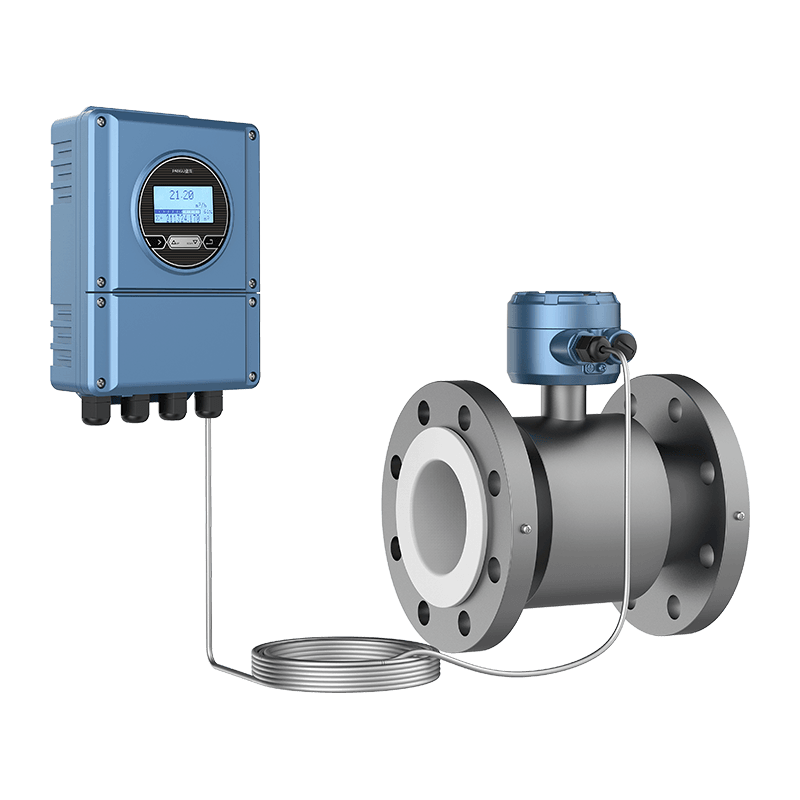
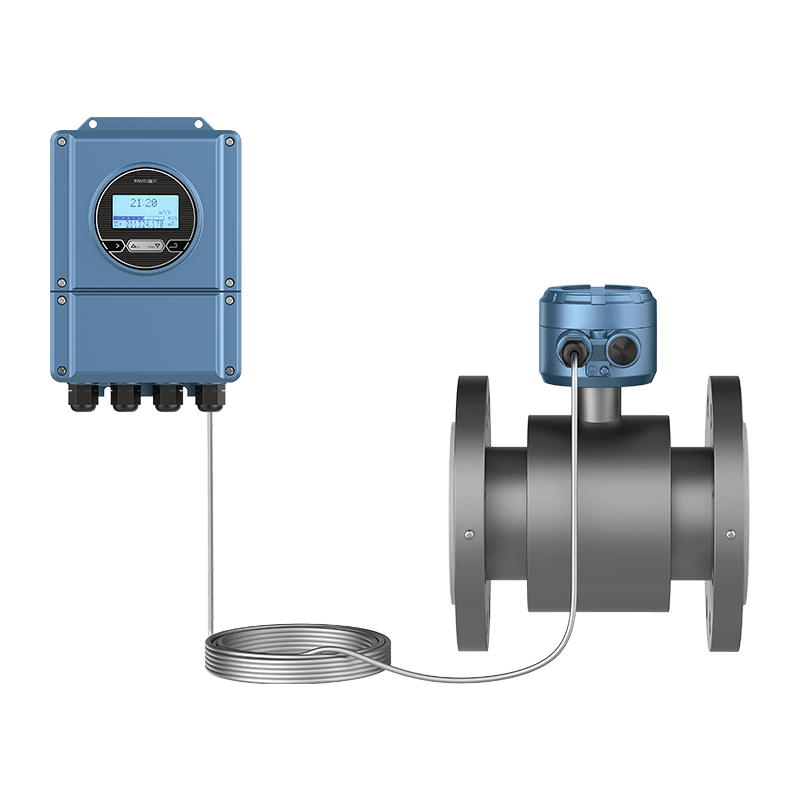
| High-Vibration or Harsh Access Lines | Deploy remote electromagnetic flow meters (split type electromagnetic flow meters) to isolate transmitter electronics from environmental heat and vibration. |
| Corrosive & Chemical Fluids | Choose industrial flow meters for corrosive liquids equipped with PTFE/ PFA liners and corrosion-resistant electrodes (e.g., Hastelloy or Tantalum). |
| Sanitary & Hygienic Processing | Utilize sanitary clamp mag meters designed for fast Clean-In-Place (CIP) maintenance. |
As reputable China electromagnetic flow meters manufacturers and global process control instrumentation suppliers, engineering robust custom industrial flow measurement equipment is vital to ensuring uninterrupted operational uptime.
Frequently Asked Questions (FAQ)
Q1: Why does flushing the pipeline only temporarily fix my mag meter's flow rate?
Flushing removes loose debris inside the pipe, temporarily improving fluid movement. However, viscous mud or sticky slurry film coated directly onto the electrode surface cannot be removed by fluid flow alone. Manual cleaning or selecting slurry electromagnetic flow meters with specialized signal processing is required for long-term stability.
Q2: What causes erratic MT (Empty Pipe Detection) values on an electromagnetic flow meter?
Fluctuating MT values are typically caused by missing or inadequate ground reference, severe coating on the electrodes, or air bubbles in the fluid line. Ensuring proper earth grounding (under 10 Ω) stabilizes the electrical potential reference and eliminates false empty-pipe alarms.
Q3: When should I choose a remote (split type) magnetic flow meter instead of an integrated compact meter?
A remote electromagnetic flow meter (separate type magnetic flow meter) is recommended when the pipeline is subject to high vibration, extreme operating temperatures, submersed conditions, or elevated installations where reading an integrated electromagnetic flow meter display is difficult.
Looking for reliable flow measurement solutions for challenging fluids? Contact our engineering team to learn more about our range of smart electromagnetic flow meters bulk options and customized instrumentation.
PREV:No previous article
NEXT:Benchmarking Hangzhou Pangu vs. KROHNE Electromagnetic Flowmeters in Severe Pulsating Flow Conditions
NEXT:Benchmarking Hangzhou Pangu vs. KROHNE Electromagnetic Flowmeters in Severe Pulsating Flow Conditions
Interested in cooperation or have questions?
Contact Us Now!
Kelly

+86 13967196545

pangusales@vip.163.com
Production Base:

Building 1 and Building 42, No. 889 Huancheng North Road, Deqing County, Huzhou City, Zhejiang Province
Jiji
+86 15397010616
pgsalesjiji@vip.163.com

+86-0571-87770830
Corporate Headquarters:
602-702, Block D, Building 3, Area B,Xigang New Territories, 206 Zhenhua Road,Hangzhou City, Zhejiang Province, China

Copyright © Hangzhou Pangu Automation System Co., Ltd. Rights Reserved.
Custom Digital Panel Mount Industrial Instruments Suppliers
