


 +86 13967196545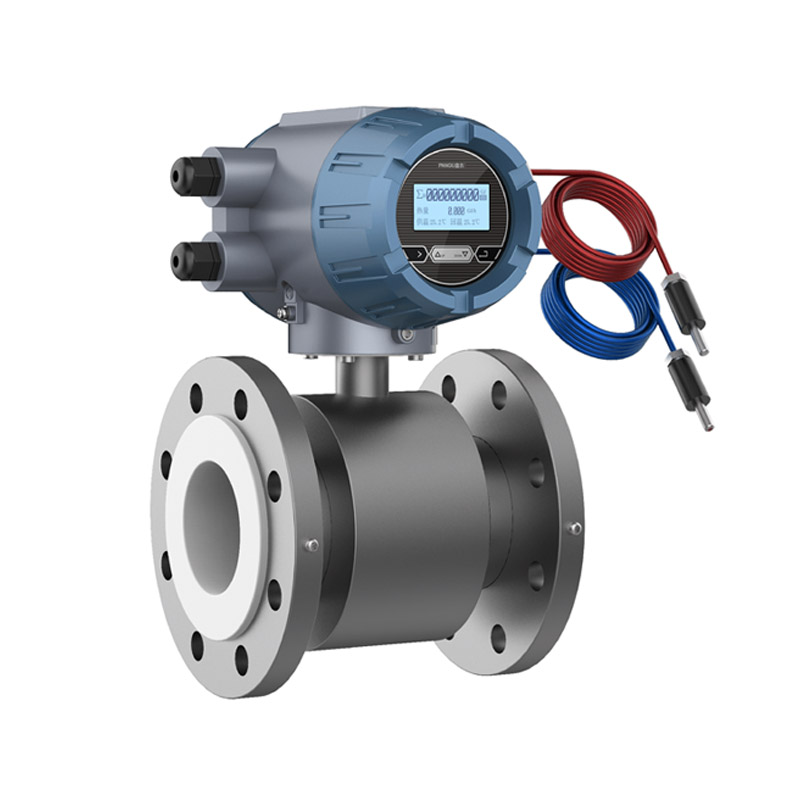


How to troubleshoot an electromagnetic heat meter error?
Electromagnetic heat meters play an important role in modern heating and cooling energy management systems. When these instruments experience abnormal readings, communication failures, or measurement deviations, effective troubleshooting is essential to maintain accurate energy monitoring. An electromagnetic heat meter combines an electromagnetic flow sensor with temperature sensors to evaluate thermal energy consumption according to flow conditions and temperature differences. Because of their high accuracy and stable performance, magnetic thermal energy meters are widely used in residential buildings, commercial facilities, and industrial applications where reliable billing and energy optimization are required.
Understanding the causes of common errors requires knowledge of different product categories, their technical structures, and application environments. This article explains troubleshooting methods for different types of electromagnetic heat meters and introduces how professional solutions can improve system reliability. The products provided by Hangzhou Pangu Automation System Co., Ltd. are developed based on more than 20 years of industrial experience, focusing on precise measurement, quality control, and intelligent automation integration.
Electromagnetic Heat Meters for District Heating Systems
Electromagnetic heat meters designed for district heating systems are mainly used for centralized thermal energy measurement in large-scale heating networks. These meters are positioned as reliable instruments for monitoring energy distribution between heating suppliers and end users. They typically include an electromagnetic flow sensor, temperature measurement components, and digital communication functions to provide continuous monitoring of heating consumption.
A common error in district heating applications is unstable flow measurement. This problem may occur due to incorrect installation conditions, insufficient pipe filling, sensor contamination, or improper grounding. When troubleshooting electromagnetic heat meters for district heating, technicians should first check whether the pipeline remains completely filled with fluid and confirm that the sensor installation direction matches the system requirements. Communication errors should also be inspected by verifying cable connections and digital output settings.
Compared with smaller energy measurement devices, district heating models require stronger durability and better adaptability to complex operating environments. Their advantages include long-term stability, low maintenance requirements, and compatibility with automated energy management platforms. Hangzhou Pangu Automation System Co., Ltd. applies advanced manufacturing processes and fully automated calibration systems to ensure that each meter achieves reliable performance before delivery.
- Suitable for centralized heating networks and energy distribution monitoring.
- Supports digital communication for intelligent building management systems.
- Provides stable measurement performance under continuous operation.
- Offers strong adaptability for industrial and municipal heating projects.
For applications requiring detailed energy tracking, users can select solutions such as electromagnetic heat meters, which integrate flow and temperature monitoring technologies to support accurate thermal management.
Magnetic Thermal Energy Meters for Commercial Buildings
Commercial buildings require precise energy measurement because heating and cooling costs often need to be allocated among different areas or tenants. Magnetic thermal energy meters are designed for these environments by combining accurate flow sensing technology with temperature monitoring functions. They help facility managers understand energy consumption patterns and improve operational efficiency.
The main troubleshooting issues in commercial applications usually involve incorrect data transmission, sensor signal interference, or inconsistent temperature readings. When a meter displays abnormal values, operators should inspect the sensor wiring, check whether temperature probes are correctly positioned, and verify whether the communication interface is functioning normally. Regular inspection of installation conditions can significantly reduce measurement errors.
Unlike large district heating systems, commercial building applications often require compact designs, flexible communication options, and easy integration with building automation platforms. These meters are commonly installed in office buildings, shopping complexes, hotels, and multi-unit residential projects. Their digital output capability allows connection with centralized monitoring systems, helping users achieve better energy-saving strategies.
Hangzhou Pangu Automation System Co., Ltd. provides measurement solutions covering flow, thermal energy, and automation applications. The company uses strict quality management procedures from raw material inspection to finished product testing. Its production facility includes intelligent SMT production lines and high-precision calibration equipment, ensuring that commercial energy measurement products maintain consistent accuracy.
| Product Category | Main Function | Interface Options | Typical Applications |
| District Heating Electromagnetic Heat Meters | Large-scale thermal energy monitoring | Digital communication outputs | Municipal heating networks |
| Commercial Magnetic Thermal Energy Meters | Building energy allocation | Automation system integration | Commercial complexes and residential buildings |
| Industrial Electromagnetic BTU Meters | Process energy measurement | Multiple digital communication modes | Industrial plants |
Electromagnetic BTU Meters for Industrial Energy Monitoring
Industrial facilities often require highly reliable measurement equipment because heating and cooling processes directly influence production efficiency. Electromagnetic btu meters are designed for industrial energy monitoring applications where accurate thermal measurement and long-term operation are critical. These meters combine electromagnetic flow sensing with temperature monitoring technology to provide dependable energy consumption information.
Industrial troubleshooting requires a systematic approach because operating conditions can be more demanding than commercial environments. Common problems include incorrect readings caused by installation issues, communication interruptions, and unexpected sensor signals. Maintenance personnel should inspect electrical connections, confirm that the meter parameters match the process requirements, and review operating conditions before replacing components.
The major advantage of industrial electromagnetic BTU meters is their ability to operate in challenging environments while maintaining measurement accuracy. They are suitable for chemical facilities, manufacturing plants, energy stations, and environmental protection projects. Compared with general-purpose devices, industrial models emphasize durability, protection performance, and compatibility with complex automation systems.
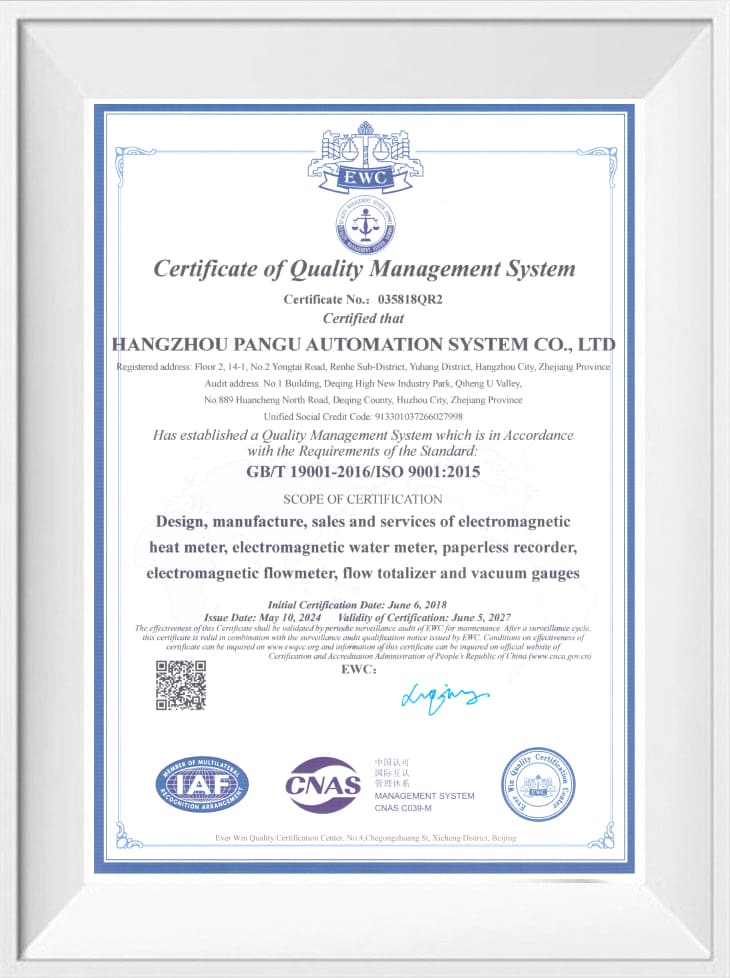
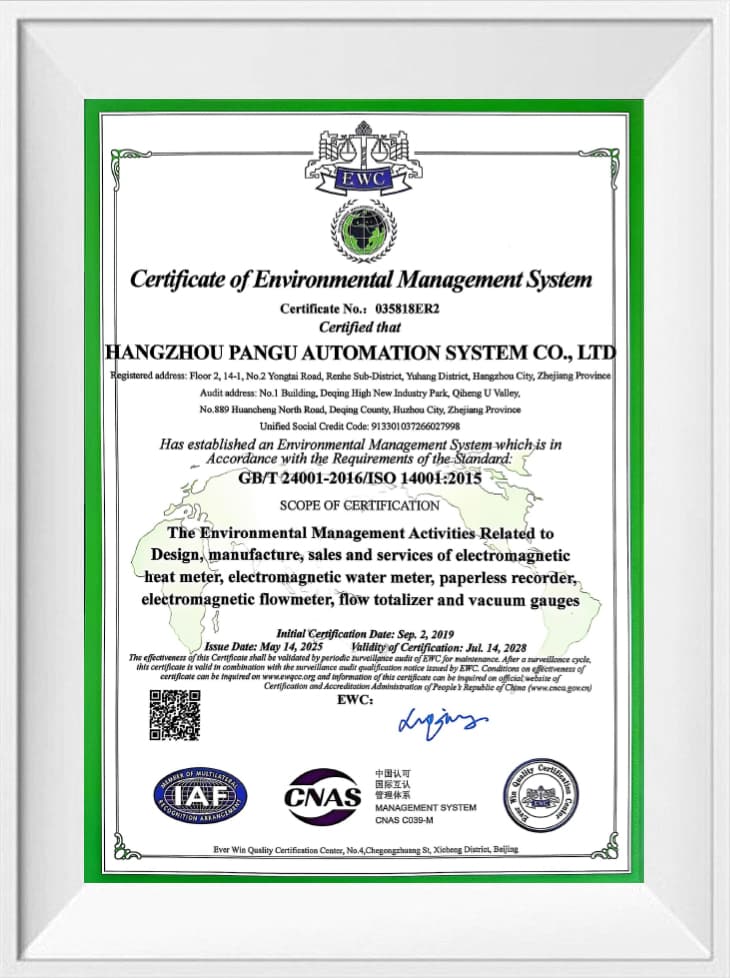
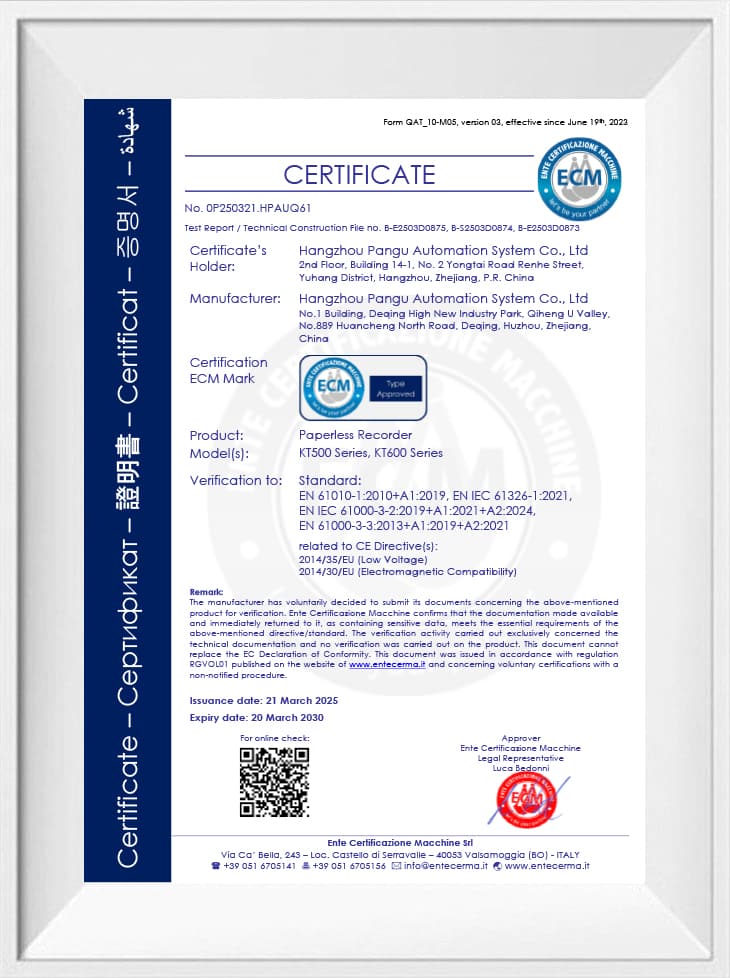
Hangzhou Pangu Automation System Co., Ltd. has developed mature manufacturing and testing capabilities for industrial measurement applications. The company has obtained multiple quality management certifications and product qualifications, while its automated DN15-DN1000 high-precision water flow calibration devices help ensure product reliability. Through continuous technological innovation, Pangu provides smarter automation solutions for industries requiring safe and efficient energy management.
- Check installation conditions, including pipeline filling status and sensor position.
- Inspect electrical connections, grounding conditions, and communication wiring.
- Verify parameter settings according to the actual heating or cooling system.
- Perform calibration and professional maintenance when measurement errors continue.
Common Troubleshooting Methods for Electromagnetic Heat Meter Errors
Checking Flow Measurement Problems
Flow measurement errors are among the most common issues affecting electromagnetic heat meters. Operators should examine whether the pipeline contains sufficient fluid and whether external vibration or installation problems influence the sensor. Regular inspection and correct installation practices help maintain stable measurement performance.
Resolving Temperature Measurement Abnormalities
Temperature sensor problems can lead to inaccurate thermal energy monitoring. Technicians should check sensor installation positions, cable connections, and signal stability. In automated systems, incorrect configuration parameters may also cause unexpected temperature values.
Improving Communication Reliability
Modern heat meters often connect with energy management platforms through digital interfaces. Communication failures may result from damaged cables, incorrect settings, or network configuration issues. Ensuring proper connection and parameter matching can restore normal data transmission.
Frequently Asked Questions
Q1: What is the difference between electromagnetic heat meters and traditional heat measurement devices?
Electromagnetic heat meters use electromagnetic flow sensing technology combined with temperature measurement to provide accurate thermal energy monitoring. They offer better stability and digital integration capabilities for modern heating and cooling systems.
Q2: Where are magnetic thermal energy meters commonly used?
Magnetic thermal energy meters are commonly applied in residential buildings, commercial complexes, district heating networks, and industrial facilities where accurate energy monitoring is required.
Q3: How can electromagnetic BTU meters improve industrial energy management?
Electromagnetic btu meters provide reliable thermal consumption data, helping industrial users monitor processes, improve energy efficiency, and support automated management systems.
Q4: What solutions does Hangzhou Pangu Automation System Co., Ltd. provide for heat measurement applications?
Hangzhou Pangu Automation System Co., Ltd. provides electromagnetic measurement products with advanced production technology, strict quality control, calibration capabilities, and responsive technical support for energy, chemical, and environmental applications.



