

 +86 13967196545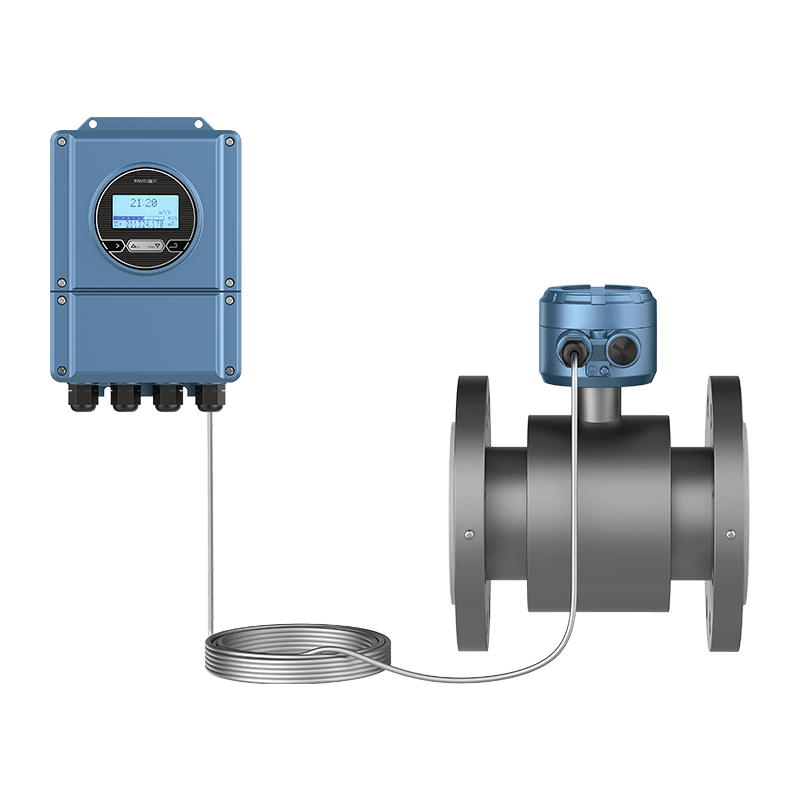


What is the difference between electromagnetic flowmeters and ultrasonic flowmeters?
Flow measurement technology plays an essential role in modern industrial automation, especially in industries where accurate monitoring of liquid transportation is required. Among various flow measurement solutions, electromagnetic flowmeters and ultrasonic flowmeters are two widely used technologies. Both can provide reliable measurement results, but they differ significantly in operating principles, application environments, installation requirements, and performance characteristics. Understanding these differences helps industries select the most suitable instrument for their processes.
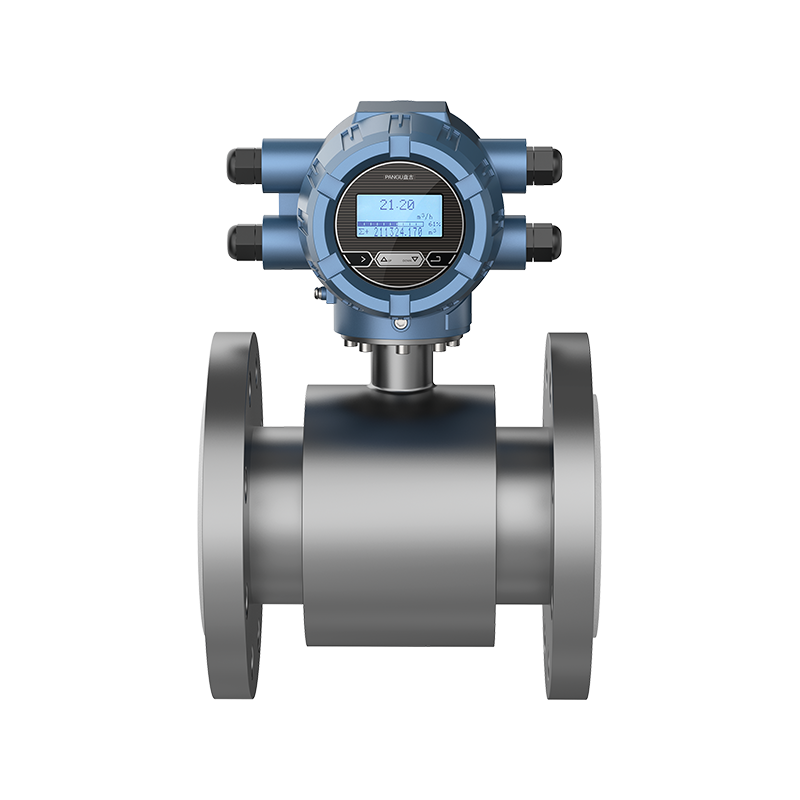
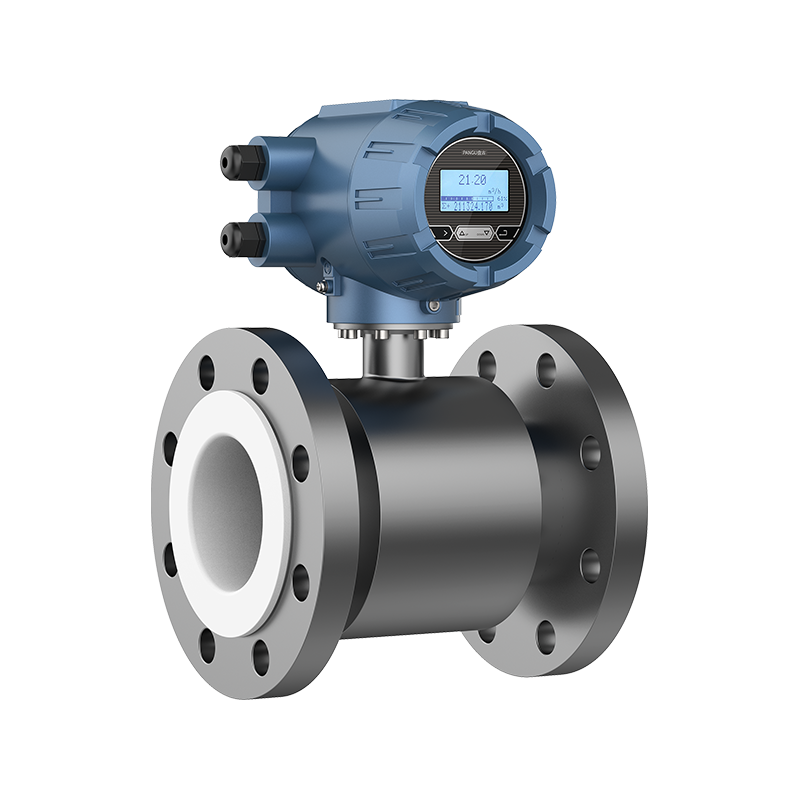
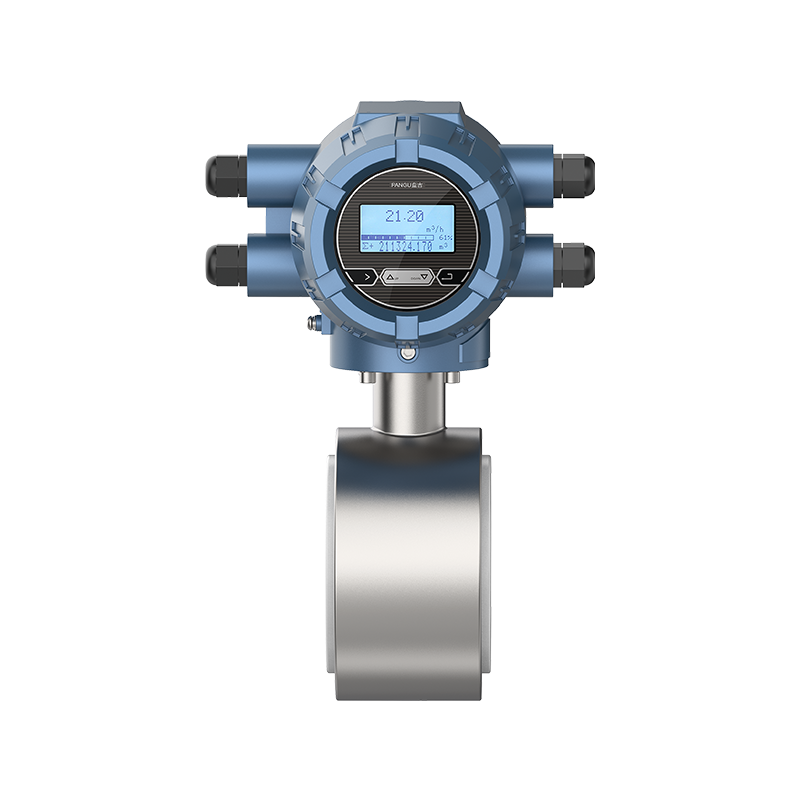
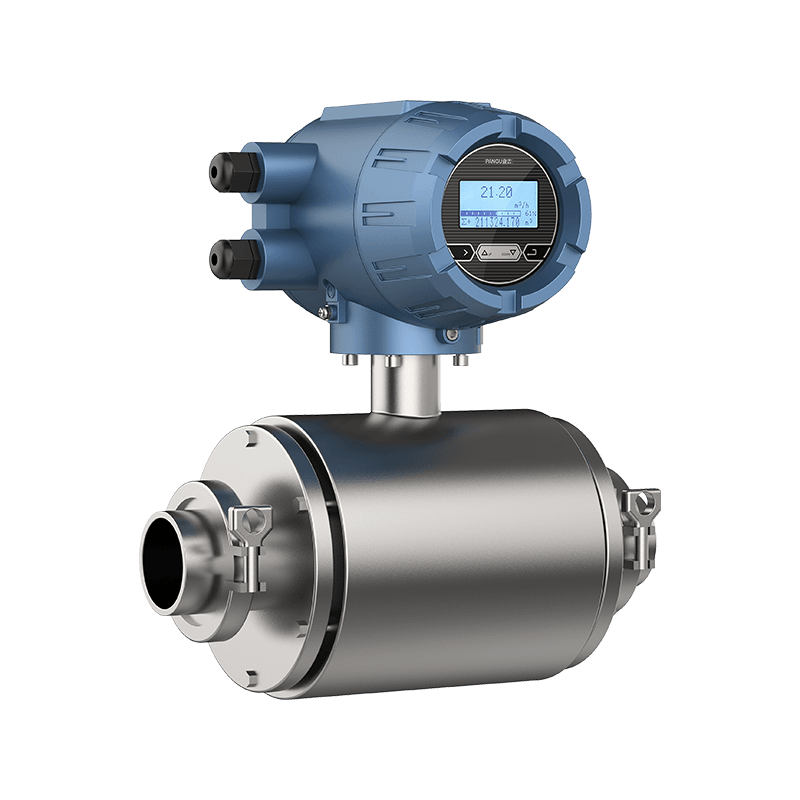
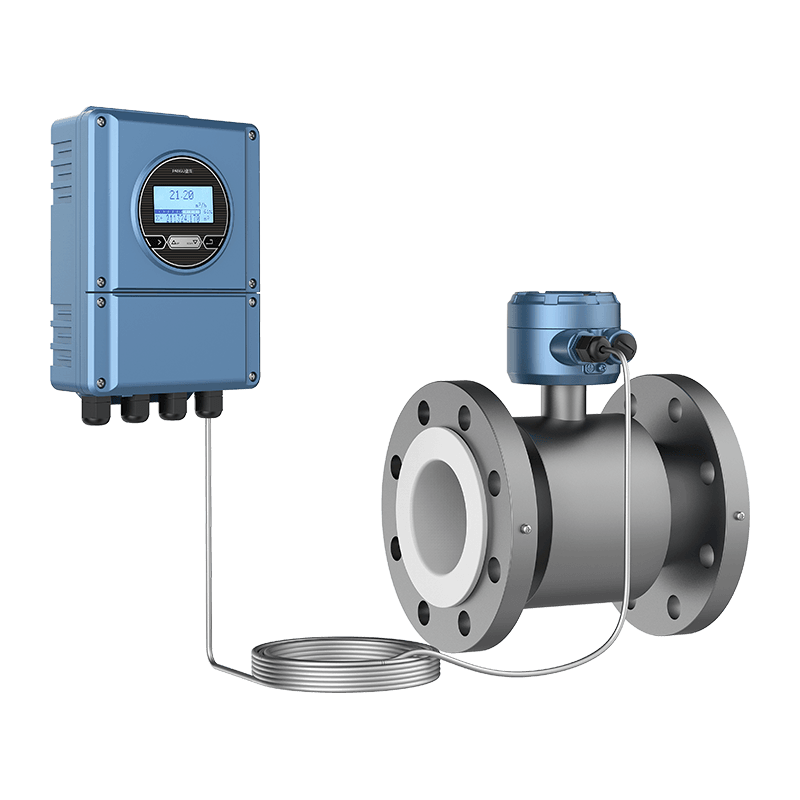
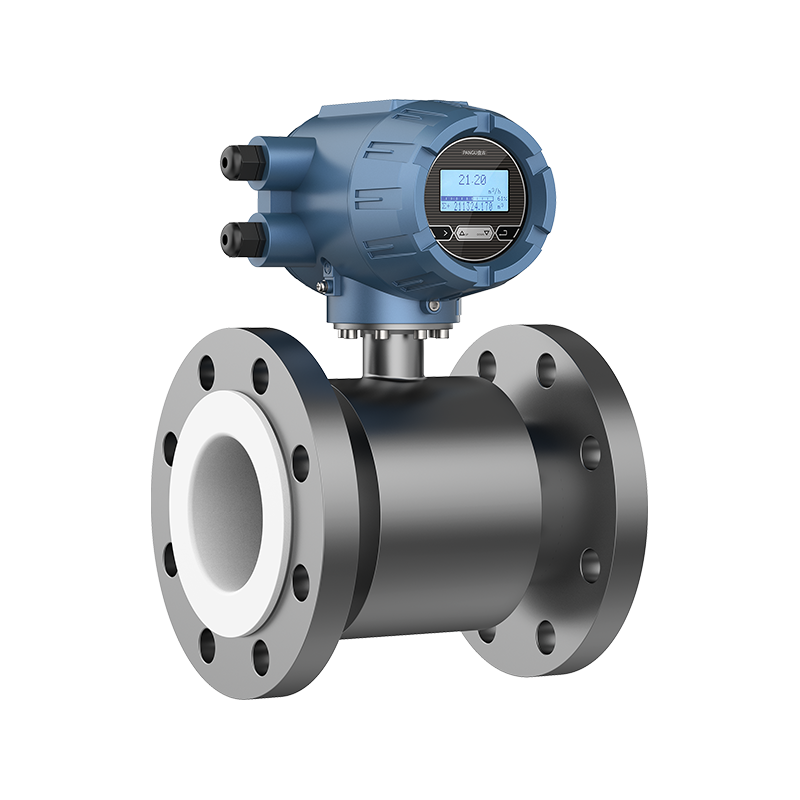
An electromagnetic flowmeter is a flow measurement instrument based on Faraday's Law of Electromagnetic Induction, specifically designed to measure the velocity and flow rate of conductive liquids in pipes. It features high precision, no mechanical resistance, and strong corrosion resistance, making it suitable for acids, alkalis, slurries, and liquids containing solid particles. Modern electromagnetic flowmeters integrate digital processing technology and multiple communication methods to support intelligent monitoring and automated control. In comparison, ultrasonic flowmeters use ultrasonic signals transmitted through liquid media to calculate flow velocity, allowing measurement without direct contact with the liquid.
1. Electromagnetic flowmeters for conductive liquid measurement
Electromagnetic flowmeters are designed for applications where the measured medium has sufficient electrical conductivity. They are commonly used in water treatment, chemical processing, food production, pharmaceutical manufacturing, and municipal engineering. The absence of moving mechanical parts reduces pressure loss and mechanical wear, allowing the instrument to operate reliably for long periods.
The main technical advantage of electromagnetic technology is stable measurement performance in challenging liquid conditions. These instruments can handle liquids containing suspended particles, corrosive substances, and high-viscosity materials. As a result, electromagnetic flowmeters are frequently selected as professional solutions among industrial measurement systems. Their bidirectional measurement capability and flexible signal outputs, including 4-20mA, pulse, and digital communication, make them suitable for integration into industrial control platforms.
Within industrial applications, a magnetic flow meter provides advantages in accuracy and long-term stability because it does not require internal mechanical components. These characteristics make it particularly valuable for pipelines transporting wastewater, chemical liquids, and abrasive mixtures. The development of mag meters for wastewater has improved process monitoring efficiency in environmental protection facilities by providing dependable data for treatment management.
- Suitable for conductive liquids, including water, wastewater, acids, alkalis, and slurries.
- No moving parts, reducing maintenance requirements and operational downtime.
- Supports remote monitoring through multiple communication interfaces.
- Provides stable performance in demanding industrial environments.
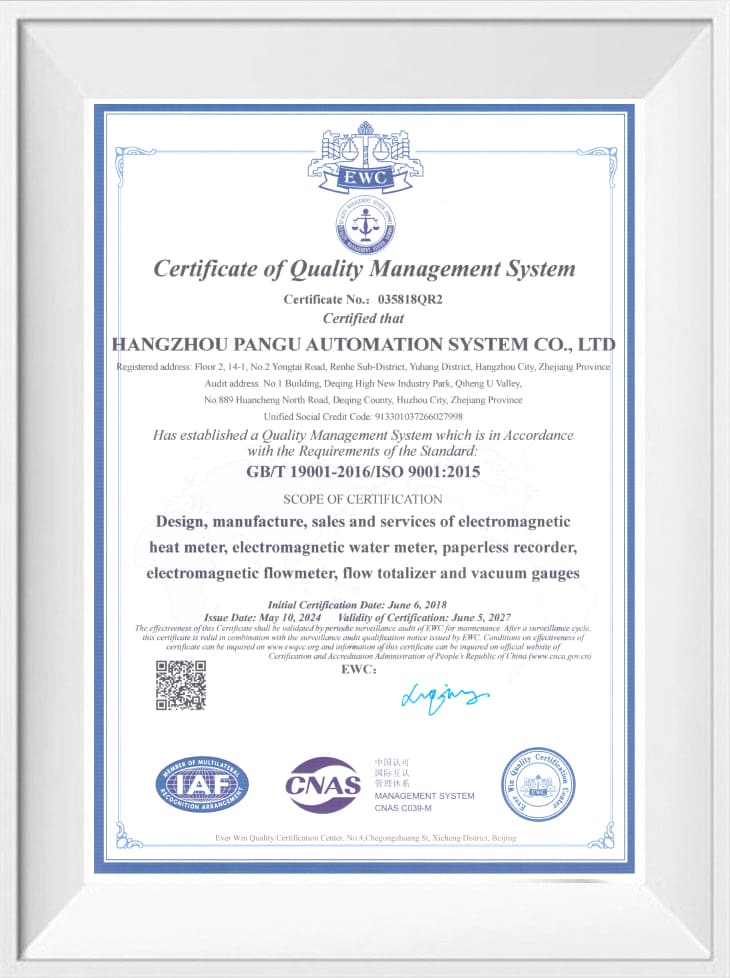
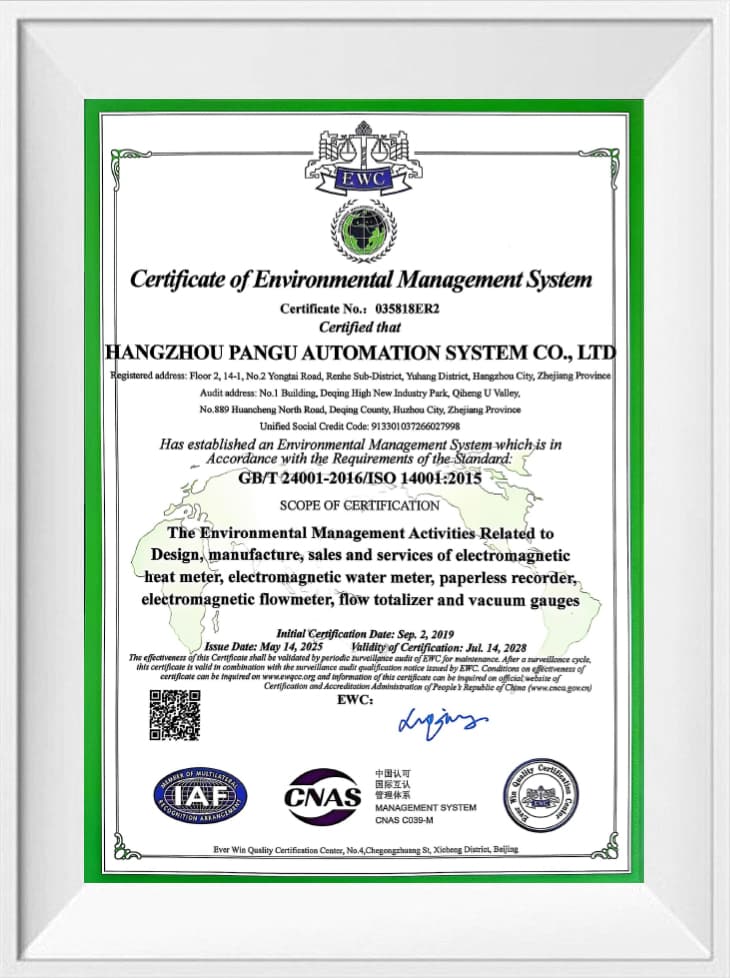
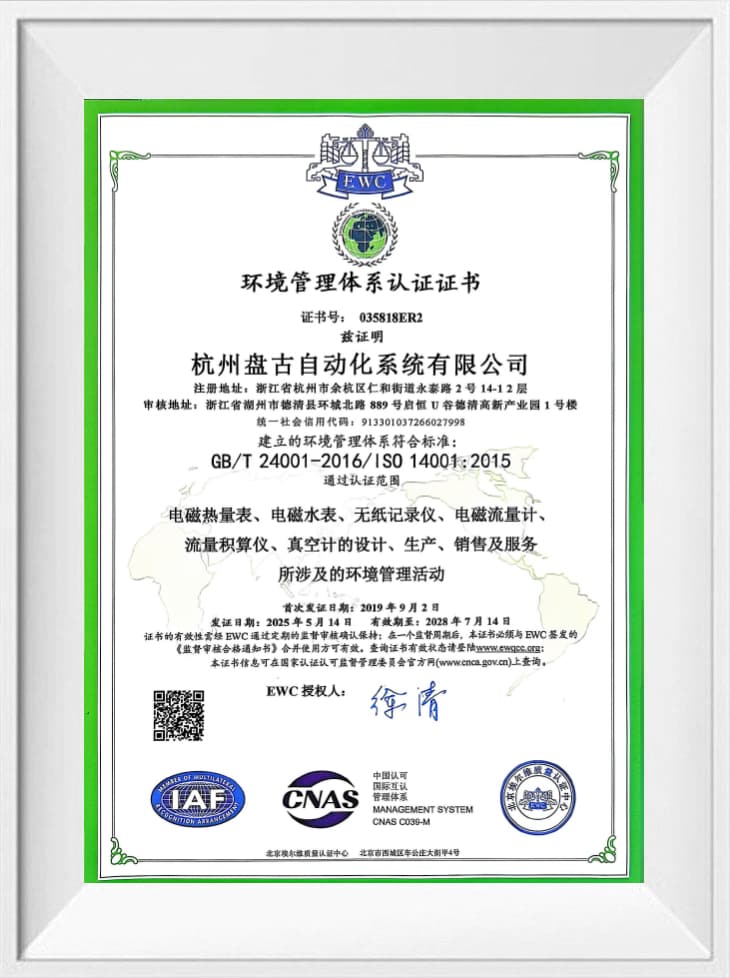
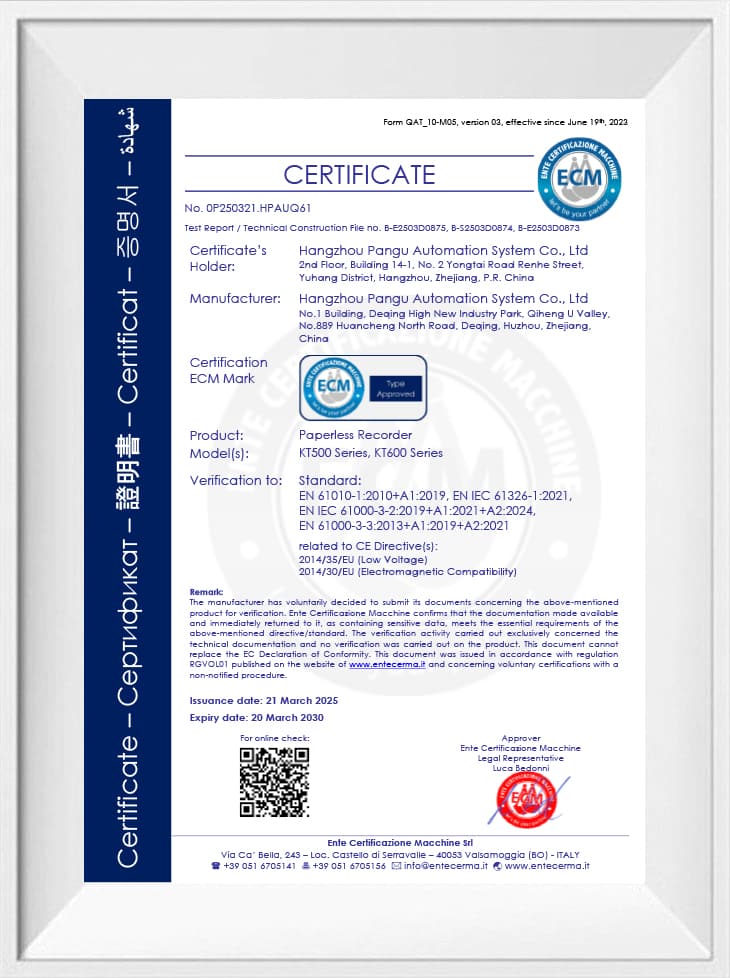
The manufacturing capability behind these instruments is also an important factor. Hangzhou Pangu Automation System Co., Ltd. was established in 2001 and has focused on developing reliable industrial measurement products through continuous technological innovation. The company has developed advanced production facilities, strict quality management procedures, and comprehensive testing systems to ensure product consistency. Its electromagnetic series products have passed relevant certifications, supporting applications that require high reliability and measurement accuracy.
2. Ultrasonic flowmeters for non-invasive flow monitoring
Ultrasonic flowmeters are another important category of industrial flow measurement technology. Unlike electromagnetic solutions, ultrasonic devices measure flow by transmitting and receiving ultrasonic signals through the liquid or pipe wall. Because the sensor does not need direct contact with the medium, ultrasonic flowmeters are especially useful when pipeline modification is difficult or when the liquid characteristics do not meet electromagnetic measurement requirements.
The primary strength of ultrasonic technology is its wide compatibility with different pipeline conditions. Clamp-on ultrasonic flowmeters can be installed externally, reducing installation complexity and avoiding interruption of existing production systems. They are commonly used in water distribution networks, energy management systems, and temporary measurement applications. However, measurement performance can be affected by pipe material, installation conditions, and liquid properties.
Compared with magnetic inductive flow meters, ultrasonic flowmeters provide greater flexibility when measuring non-conductive liquids or when pipeline access is limited. However, electromagnetic technology generally offers stronger stability when measuring conductive industrial liquids with particles or corrosive characteristics. Selecting between these two technologies depends on the process requirements, liquid composition, and desired measurement accuracy.
- Evaluate the liquid characteristics, including conductivity, temperature, and particle content.
- Determine whether installation requires direct pipeline integration or external mounting.
- Select the appropriate communication functions for automation and monitoring systems.
- Perform regular inspection and calibration to maintain measurement reliability.
Comparison between electromagnetic and ultrasonic measurement technologies
| Category | Electromagnetic flowmeters | Ultrasonic flowmeters |
| Measurement principle | Electromagnetic induction measurement | Ultrasonic signal transmission measurement |
| Medium suitability | Conductive liquids, wastewater, slurry, corrosive liquids | Various liquids depending on installation conditions |
| Installation method | Usually installed directly into pipelines | Can support external clamp-on installation |
| Maintenance requirement | Low maintenance due to no moving parts | Requires attention to sensor positioning and conditions |
| Typical applications | Water treatment, chemical, industrial processes | Water networks, temporary monitoring, energy systems |
3. Industrial digital electromagnetic flowmeter solutions
With the increasing demand for intelligent factories, digital electromagnetic measurement solutions have become an important product category in industrial automation. A high accuracy digital electromagnetic flow meter combines advanced signal processing technology with reliable sensor design to improve measurement stability and data communication efficiency. These instruments are widely applied where continuous monitoring and precise process control are required.
Modern digital solutions are designed to provide accurate measurement under complex operating conditions. They can support digital communication networks, remote diagnostics, and automated control systems. For industries managing large-scale water treatment facilities, chemical pipelines, or energy systems, intelligent magflow meters provide valuable operational information and help improve production efficiency.
Hangzhou Pangu Automation System Co., Ltd. applies advanced manufacturing technology and strict inspection procedures throughout the production process. The company operates intelligent production lines, automated DN15-DN1000 high-precision water flow calibration equipment, and multiple testing systems based on different calibration methods. These capabilities ensure that each instrument meets demanding industrial requirements before delivery.
The company’s product advantages cover flow, thermal energy, and vacuum measurement applications. Through more than 20 years of industrial experience, Hangzhou Pangu Automation System Co., Ltd. has developed comprehensive technical support and after-sales service capabilities. Its solutions are designed to provide safer, more efficient, and more sustainable automation systems for industries such as energy, chemical processing, and environmental protection.
Key application advantages of digital electromagnetic solutions
- High measurement stability for continuous industrial operation.
- Digital communication capability for modern automation systems.
- Strong adaptability to corrosive and particle-containing liquids.
- Reliable performance supported by professional calibration and quality control.
4. Choosing the right flow measurement instruments for industrial applications
Choosing suitable flow measurement instruments requires comprehensive consideration of liquid properties, pipeline structure, accuracy requirements, and operating conditions. Electromagnetic technology is generally preferred for conductive liquids because it provides excellent stability, corrosion resistance, and low maintenance operation. Ultrasonic technology is often selected when non-invasive installation or measurement flexibility is the priority.
For industrial applications involving corrosive liquids, wastewater, or slurry transportation, industrial flow meters for corrosive liquids provide dependable solutions by combining durable materials with advanced measurement technology. Proper installation is also essential. Pipelines should remain completely filled with liquid, reliable grounding should be maintained, and sufficient straight pipe sections should be reserved to improve measurement stability.
Regular calibration and maintenance further extend the service life of measurement equipment. Through professional manufacturing processes, strict quality control, and responsive technical support, reliable flow measurement solutions can maintain long-term accuracy and operational safety.
Frequently Asked Questions
Q1: What is the main difference between electromagnetic flowmeters and ultrasonic flowmeters?
Electromagnetic flowmeters measure conductive liquids through electromagnetic induction, while ultrasonic flowmeters use ultrasonic signals. Electromagnetic solutions are usually better for wastewater, slurry, and corrosive conductive liquids, while ultrasonic solutions provide flexible installation options.
Q2: Can electromagnetic flowmeters measure corrosive liquids?
Yes. Electromagnetic flowmeters are widely used for corrosive liquids because they have no mechanical moving parts and can be manufactured with suitable corrosion-resistant materials for different industrial environments.
Q3: Why are mag meters for wastewater widely used in treatment facilities?
Mag meters for wastewater provide stable measurement for liquids containing particles and impurities. Their low maintenance design and reliable accuracy make them suitable for continuous wastewater monitoring.
Q4: What solutions does Hangzhou Pangu Automation System Co., Ltd. provide?
Hangzhou Pangu Automation System Co., Ltd. provides industrial measurement solutions covering flow, thermal energy, and vacuum applications. With advanced manufacturing facilities, strict quality control, and professional after-sales service, the company supports customers requiring reliable automation equipment.
Q5: How can users maintain electromagnetic flow measurement accuracy?
Users should ensure correct installation, reliable grounding, suitable pipeline conditions, and regular calibration. Proper maintenance helps maintain long-term stability and accuracy.



