

 +86 13967196545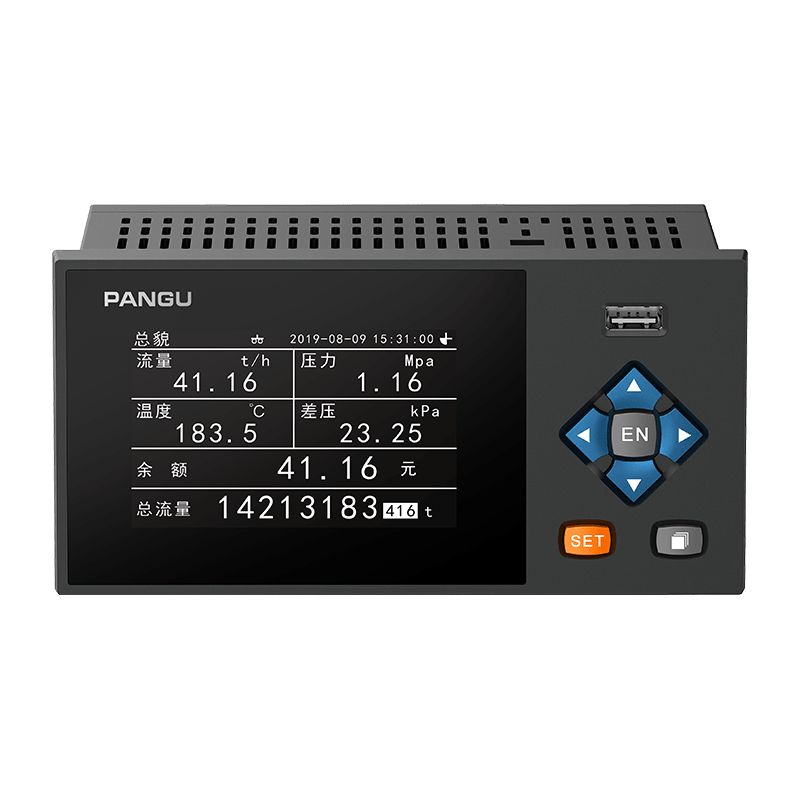

What is the difference between a flow rate indicator and a flow totalizer?
In industrial fluid management systems, accurate measurement and monitoring are essential for improving efficiency, controlling processes, and maintaining reliable operations. Although flow rate indicators and flow totalizers are often installed together, they perform different functions. A flow rate indicator mainly shows the current speed of fluid movement through a pipeline, while a flow totalizer records the accumulated volume that has passed through the system over a period of time. Understanding these differences helps engineers select the correct instrument for water treatment, energy management, chemical processing, and other industrial applications.
Flow totalizers are devices designed to calculate and display the cumulative flow of liquids or gases in pipelines. They provide accurate totalization for monitoring consumption, process control, and operational efficiency. Equipped with digital or analog displays and compatible with various sensors, flow totalizers are widely used in water treatment, chemical processing, food and beverage industries, and energy management. They help operators maintain precise records, optimize processes, and detect leaks or anomalies in fluid systems.
The development of modern measurement technology has led to advanced solutions such as intelligent flow totalizers, which integrate communication functions, data storage, and automated monitoring capabilities. Compared with traditional indicators, these devices provide more comprehensive information for industrial decision-making. A flow rate indicator answers the question “how fast is the fluid moving?”, while a totalizer answers “how much fluid has moved in total?”. This distinction determines their different roles in automation systems.
Digital Flow Totalizers: Accurate Cumulative Measurement for Modern Automation
digital flow totalizers are designed to provide continuous accumulation and display of fluid volume data through electronic processing technology. Unlike simple flow rate indicators that only display instantaneous readings, digital totalizers store historical information and support advanced monitoring functions. They are commonly connected with flow sensors to receive signals and convert them into reliable cumulative measurements for industrial applications.
The main advantage of digital totalization technology is its ability to improve operational transparency. Operators can review consumption trends, identify abnormal conditions, and manage production resources more effectively. Many systems support digital communication interfaces, allowing instruments to integrate with control platforms. This makes them suitable for factories requiring centralized management and real-time information exchange.
- Provides cumulative flow records for liquids and gases.
- Supports sensor compatibility for different industrial measurement requirements.
- Improves process monitoring through clear digital display information.
- Helps detect leaks and unexpected consumption changes.
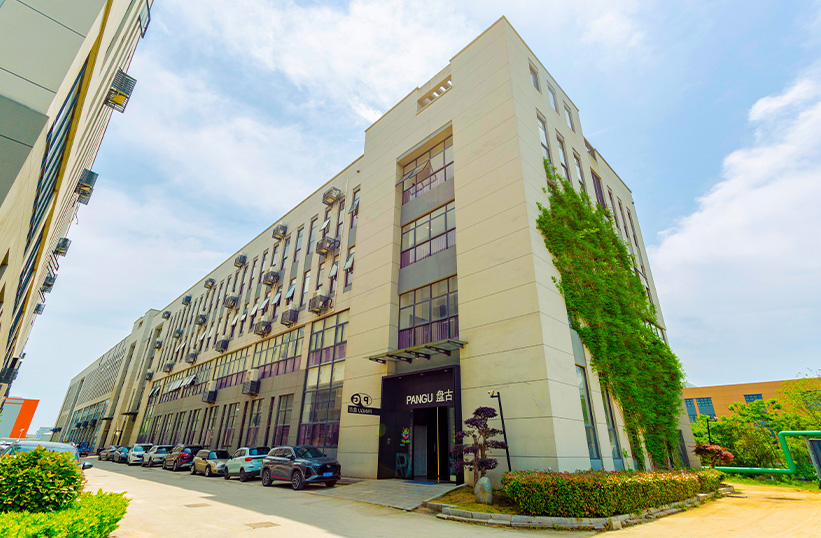
For companies requiring reliable measurement solutions, product design capability and manufacturing quality are important factors. Hangzhou Pangu Automation System Co., Ltd. has accumulated more than 20 years of industrial experience since its establishment in 2001. The company focuses on developing automation instruments with advanced production facilities, strict quality management, and professional technical support. Its solutions cover flow measurement, thermal energy measurement, and vacuum applications, providing accurate instruments for different industrial environments.
In practical applications, digital totalizers are widely used in water supply systems, environmental protection projects, and energy monitoring facilities. Compared with a basic flow rate indicator, they provide a broader view of resource usage because they combine current measurement with long-term accumulation. This makes digital flow totalizers an important component in modern industrial measurement systems.
Flow Rate Indicator Totalizers: Combining Instant Reading and Total Records
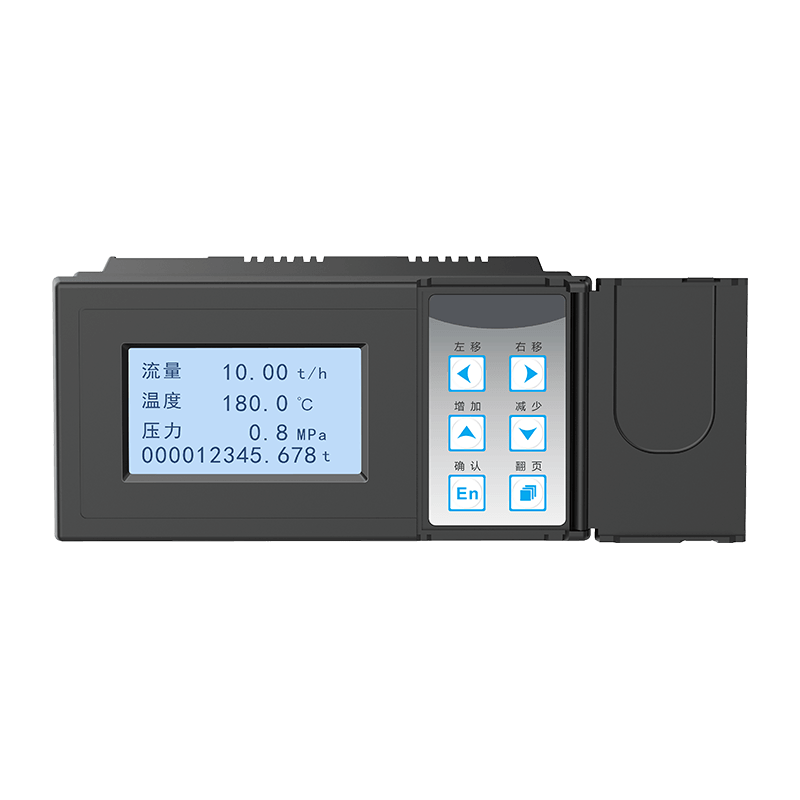
flow rate indicator totalizers combine two measurement functions in one instrument. They can display both the current flow rate and the accumulated flow amount, allowing operators to understand immediate operating conditions while maintaining historical records. This category is especially useful in processes where both short-term adjustments and long-term consumption tracking are necessary.
The positioning of this product category is between a simple flow indicator and a fully integrated intelligent measurement system. It provides additional information without requiring complex installation. The instrument typically receives signals from different types of flow sensors and converts them into visible readings. This flexibility allows it to serve applications such as industrial pipelines, production monitoring, and resource management systems.
The technical features of flow rate indicator totalizers include clear displays, stable signal processing, and compatibility with multiple measurement environments. They are particularly valuable when operators need immediate feedback during production while also recording total usage. Compared with ordinary flow indicators, they provide stronger data management capabilities; compared with advanced intelligent systems, they offer simpler operation and easier maintenance.
| Product Category | Main Function | Typical Applications | Key Advantage |
| Digital flow totalizers | Cumulative measurement and data recording | Water treatment, energy monitoring, industrial automation | Advanced data management |
| Flow rate indicator totalizers | Instant flow display and total accumulation | Pipeline monitoring and production processes | Balanced functionality and simplicity |
| Natural gas flow rate totalizers | Gas consumption tracking | Energy systems and gas distribution | Reliable gas measurement records |
Hangzhou Pangu Automation System Co., Ltd. applies strict quality control throughout raw material inspection, automated assembly, calibration, and final product testing. The company operates intelligent production lines and high-precision calibration equipment to ensure stable performance of measurement instruments. These manufacturing advantages support the development of reliable flow rate indicator totalizers for industrial users requiring accurate and consistent measurement.
Application Benefits of Combined Measurement Instruments
- Evaluate current process conditions through real-time flow information.
- Maintain long-term consumption records for production analysis.
- Improve maintenance planning by identifying unusual flow changes.
- Support energy-saving strategies through accurate monitoring.
Natural Gas Flow Rate Totalizers: Specialized Solutions for Gas Measurement
natural gas flow rate totalizers are specialized instruments designed for applications where accurate gas consumption measurement is required. Natural gas systems often require continuous monitoring because consumption data affects operational planning, energy management, and system safety. These totalizers record accumulated gas usage while providing operators with valuable information about distribution performance.
Compared with liquid measurement applications, gas measurement requires instruments that can handle different operating conditions and provide dependable long-term data. Natural gas totalization systems are commonly used in industrial energy systems, commercial facilities, and pipeline networks. Their role is not only to measure usage but also to support efficient resource allocation and improve management accuracy.
The difference between gas totalizers and general flow indicators is the emphasis on cumulative energy resource tracking. A basic indicator may show current gas movement, but a totalizer provides complete consumption information over time. This capability helps operators compare usage patterns, manage supply planning, and discover possible system irregularities.
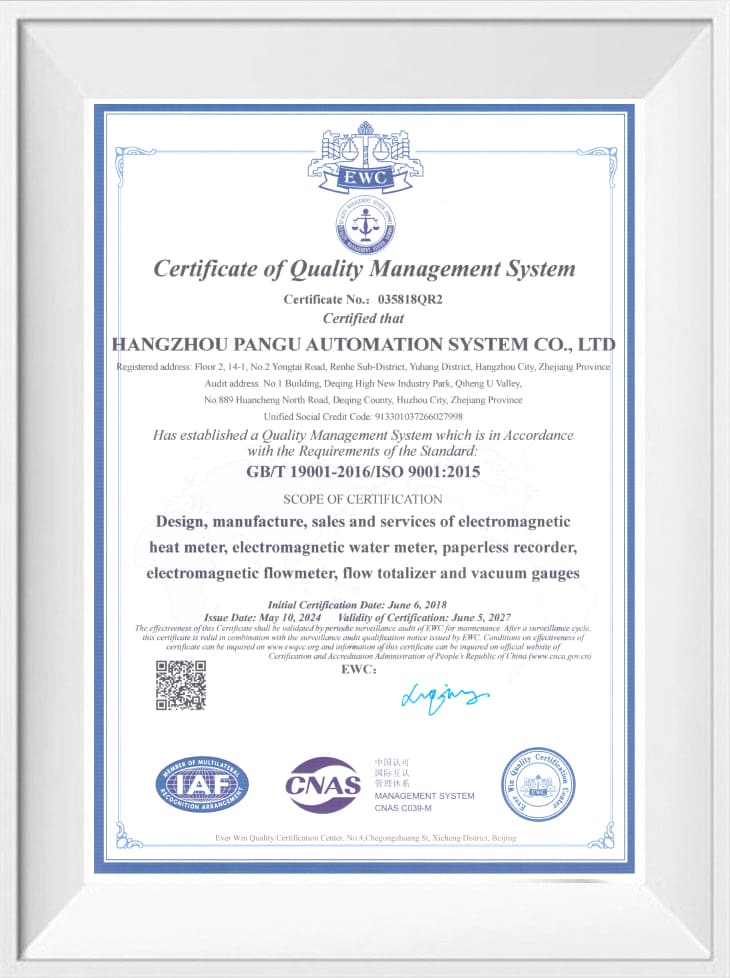
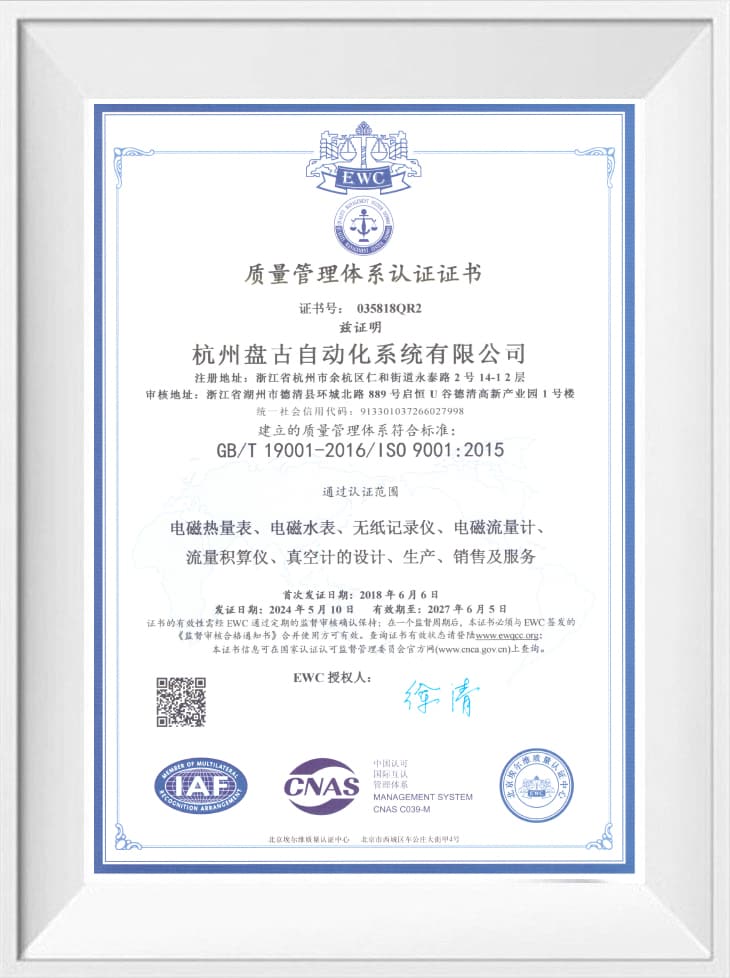
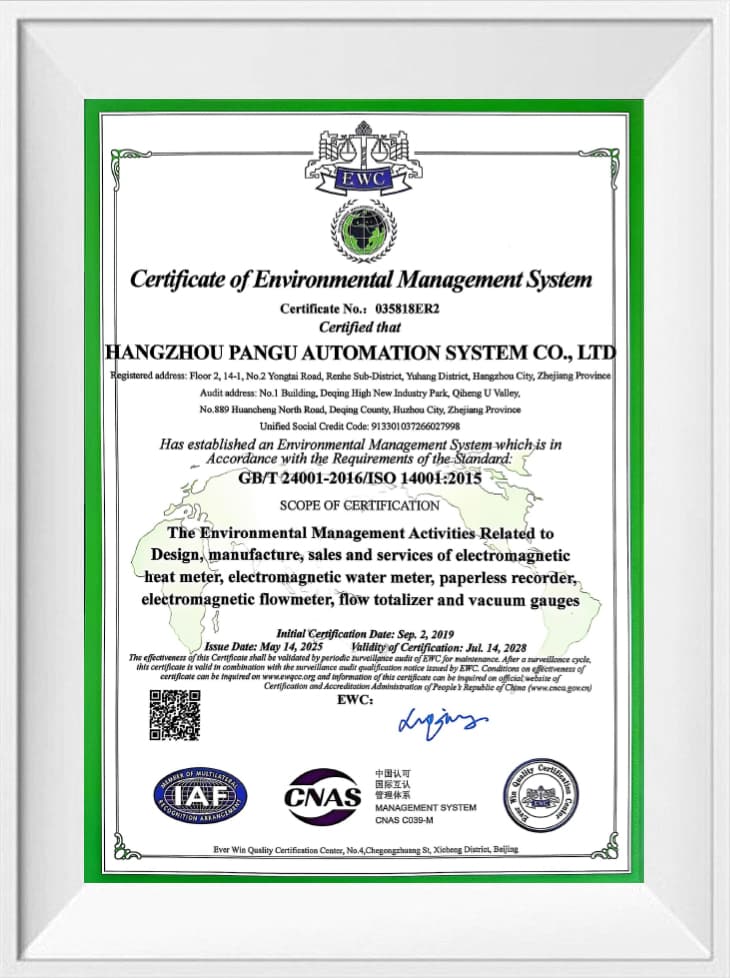
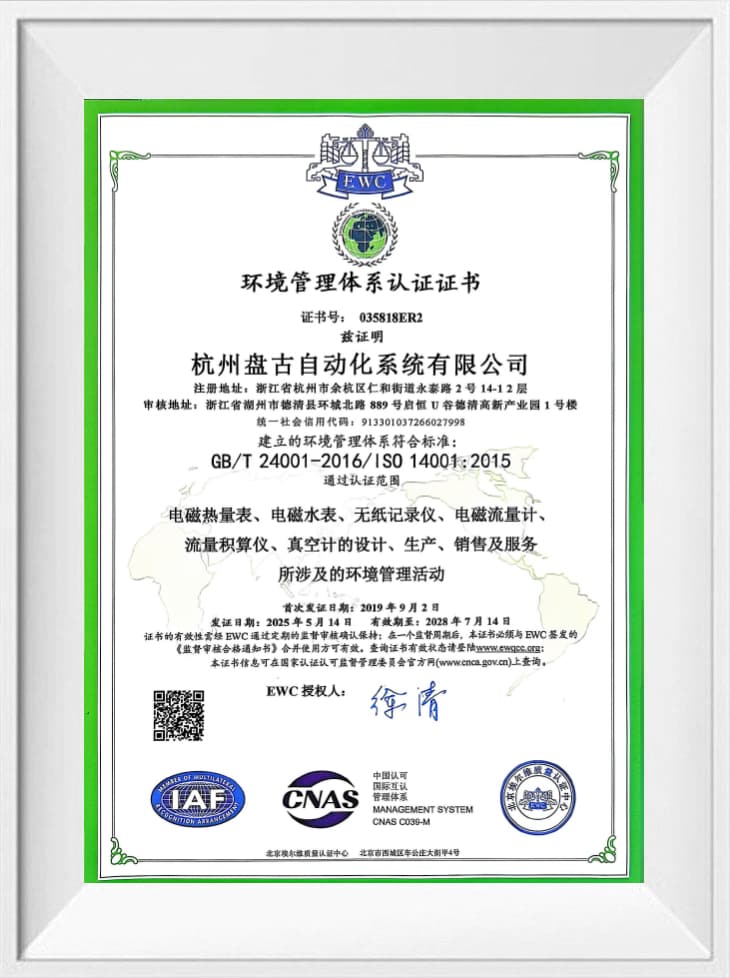
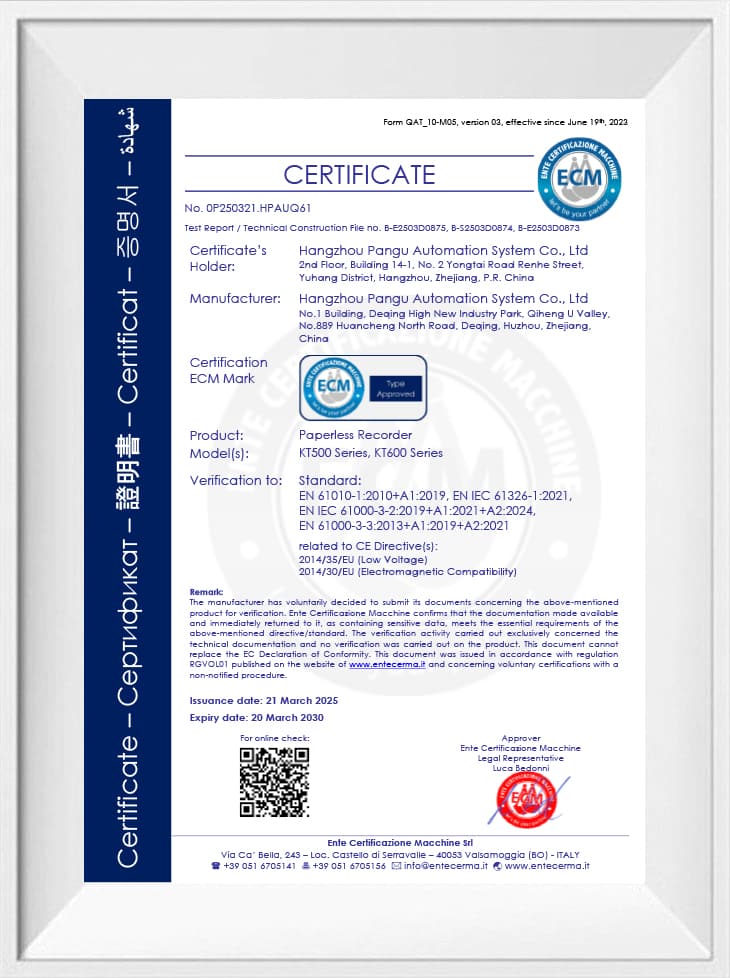
Hangzhou Pangu Automation System Co., Ltd. provides measurement solutions supported by mature manufacturing processes, professional after-sales service, and continuous technological innovation. With certifications covering quality, environmental management, and measurement management systems, the company focuses on delivering dependable automation products for industries including energy, chemical processing, and environmental protection.
Intelligent Flow Totalizers and Future Industrial Measurement Trends
The future development of industrial measurement is moving toward smarter and more connected systems. intelligent flow totalizers represent this trend by combining measurement accuracy with communication, monitoring, and data analysis functions. These instruments allow users to obtain deeper operational insights and improve decision-making efficiency.
Modern intelligent solutions can support remote monitoring, automated data collection, and integration with industrial management systems. This reduces manual inspection requirements and helps organizations create safer and more efficient production environments. Compared with traditional instruments, intelligent totalizers provide greater flexibility for complex industrial applications.
The difference between a flow rate indicator and a flow totalizer is mainly based on measurement purpose. Indicators focus on immediate flow conditions, while totalizers focus on accumulated quantities. Selecting the correct instrument depends on whether users need simple observation, continuous recording, or advanced automation management.
Frequently Asked Questions
Q1: What is the main difference between a flow rate indicator and a flow totalizer?
A flow rate indicator displays the current speed of fluid movement, while a flow totalizer records the accumulated amount of fluid passing through a pipeline. Totalizers are more suitable for applications requiring consumption records and process analysis.
Q2: Why are digital flow totalizers widely used in industrial systems?
Digital flow totalizers provide accurate cumulative measurement, clear electronic displays, and improved data management capabilities. They are suitable for industries requiring reliable monitoring and operational optimization.
Q3: What applications require natural gas flow rate totalizers?
Natural gas flow rate totalizers are commonly used in gas distribution, energy management, and industrial gas consumption monitoring systems where accurate long-term records are important.
Q4: How does Hangzhou Pangu Automation System Co., Ltd. ensure product quality?
Hangzhou Pangu Automation System Co., Ltd. ensures quality through strict process control, automated production facilities, high-precision calibration equipment, and responsive technical support developed through more than 20 years of industrial experience.



