 Read More

 Get A Quote

Electromagnetic Flow Meters: Pros, Cons, Selection Guide, and FAQs
Home / News / Industry News / Electromagnetic Flow Meters: Pros, Cons, Selection Guide, and FAQs
Product Category
NEW Category
Contact us
Contact Us
We specialise in the research, development and manufacture of electrical wires and cables.
 +86 13967196545
Related News
- Electromagnetic Flow Meter vs. Vortex Flow Meter: Principles, Differences, and Selection Guide
- Mastering Wastewater Flow: The Engineering, Selection, and Maintenance of Electromagnetic Flow Meters
- Insertion Electromagnetic Flowmeter Guide: Working Principle and Selection
- Electromagnetic Flow Meter Selection Guide: 5 Core Factors & On-Site Best Practices
Electromagnetic Flow Meters: Pros, Cons, Selection Guide, and FAQs
Content
- 1 Quick Overview of How They Work
- 2 Advantages of Electromagnetic Flow Meters
- 3 Disadvantages of Electromagnetic Flow Meters
- 4 Ideal Applications and Selection Guidelines
- 5 Frequently Asked Questions (FAQ)
- 5.1 Can an electromagnetic flow meter measure deionized or pure water?
- 5.2 Does solid accumulation or scaling inside the pipe affect accuracy?
- 5.3 What is the typical straight pipe run requirement?
- 5.4 Can magnetic flow meters handle slurry with high solid content?
- 5.5 How do I troubleshoot zero flow or erratic readings?
- 6 Frequently Asked Questions About Selection
Electromagnetic flow meters are among the most widely trusted and utilized instruments in industrial fluid measurement. Operating on Faraday's law of electromagnetic induction, they generate an induced voltage proportional to the fluid velocity when a conductive liquid cuts through a magnetic field. For applications demanding high measurement stability, zero pressure loss, and low long-term maintenance, electromagnetic flow meters deliver exceptional operational value.
Quick Overview of How They Work
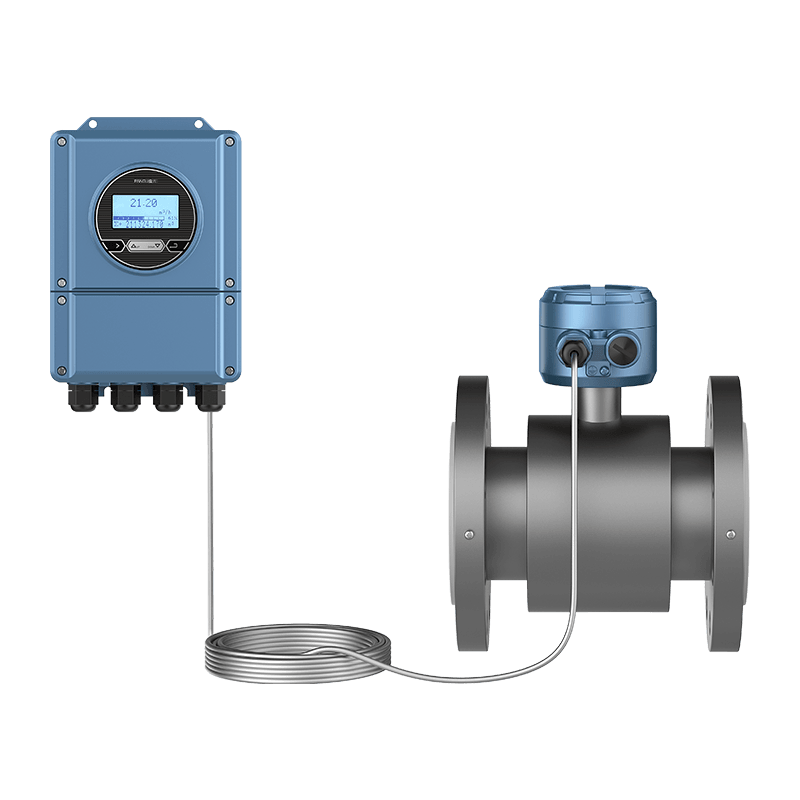
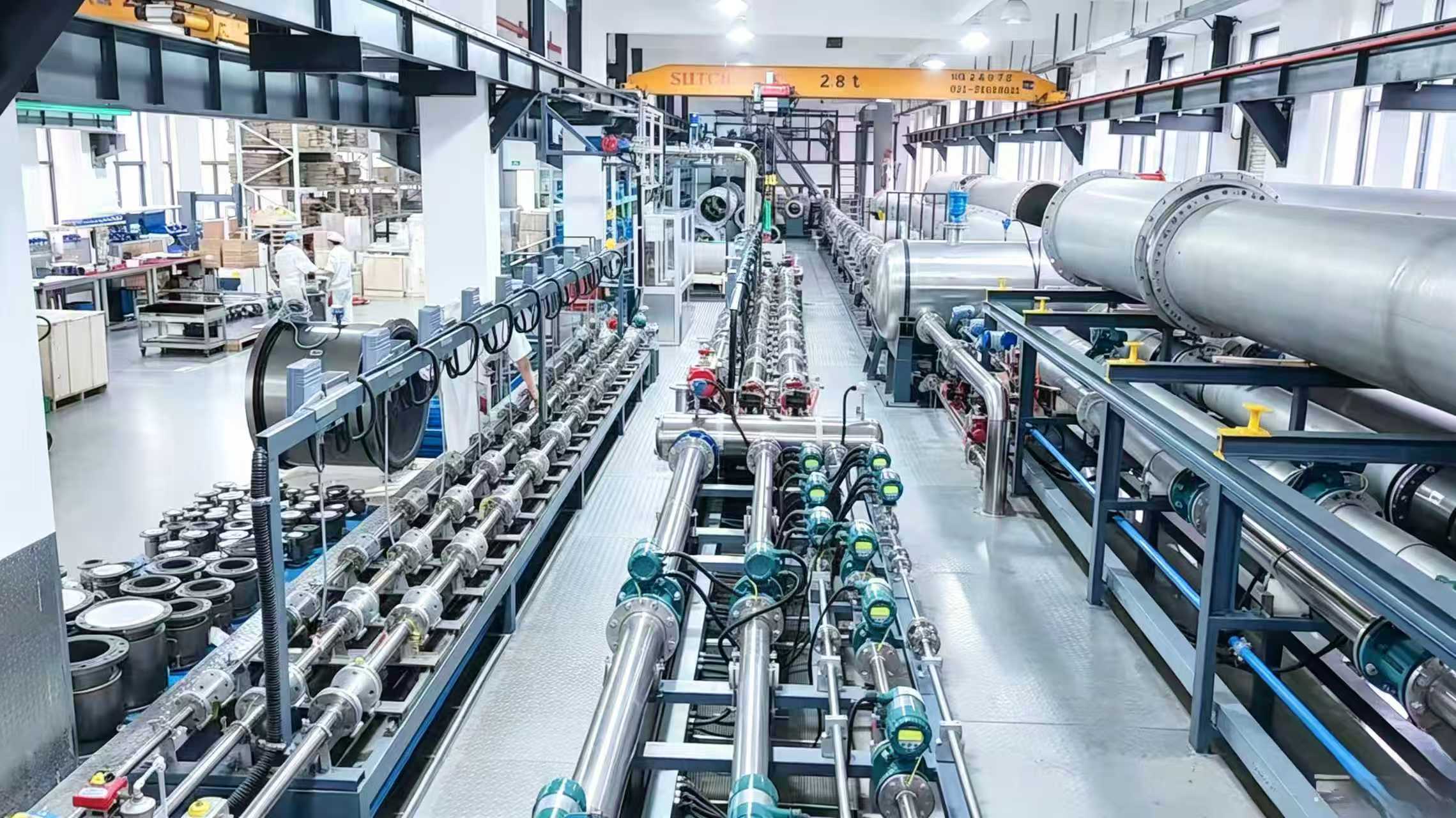
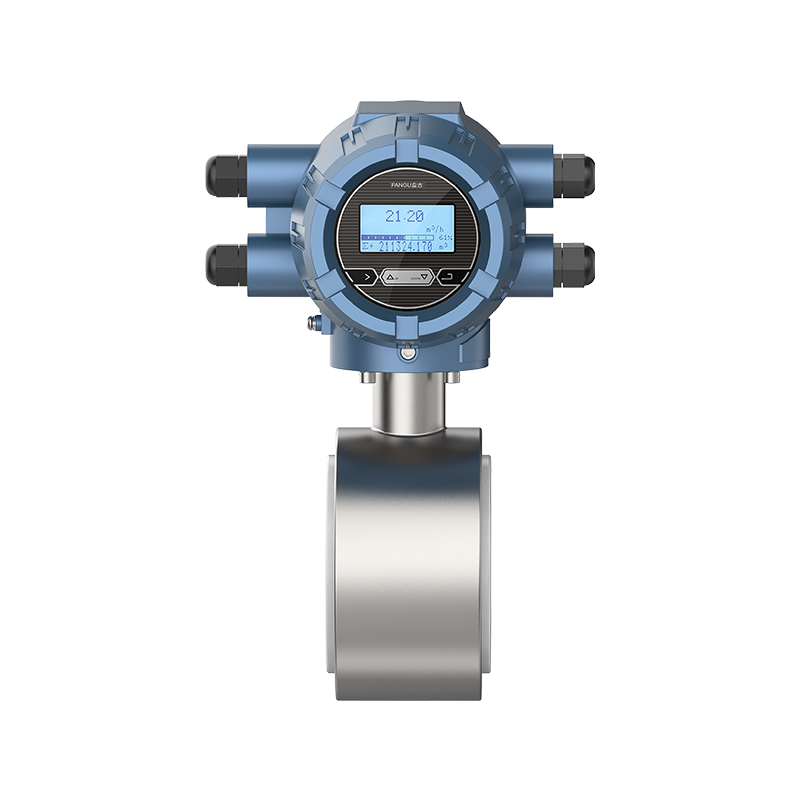
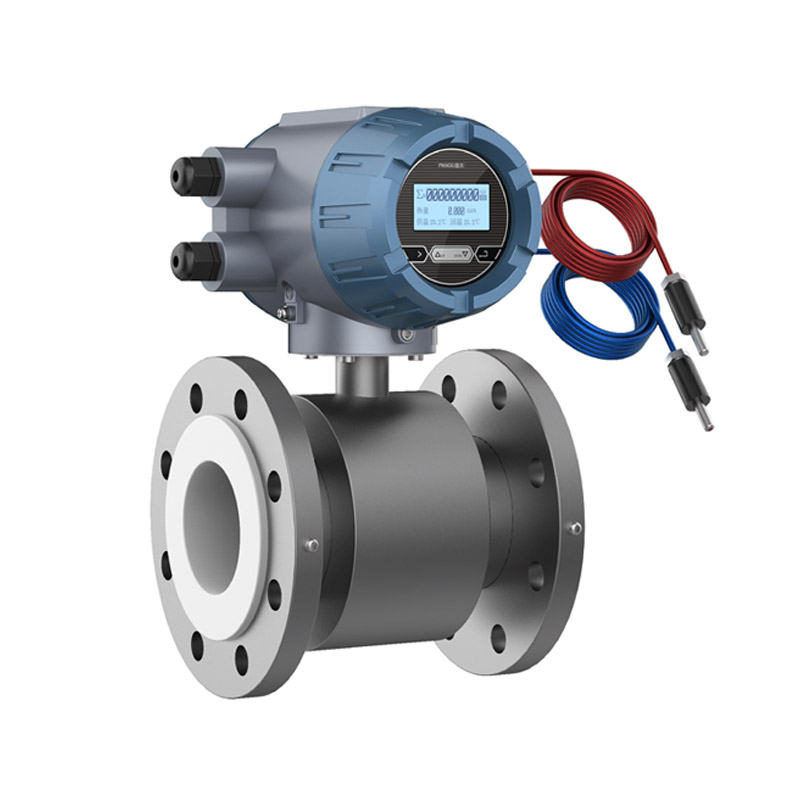
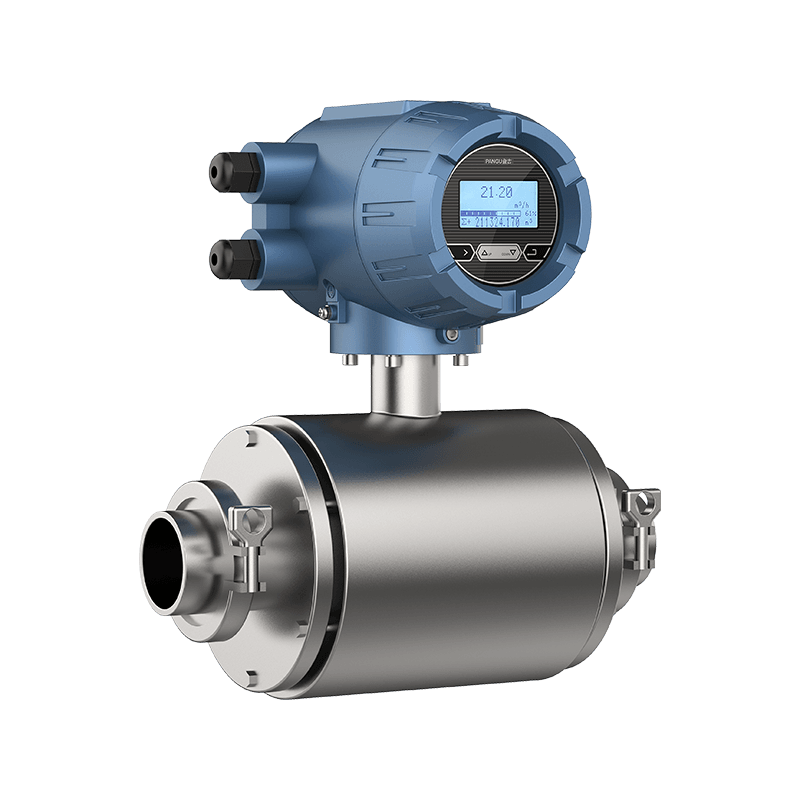
An electromagnetic flow meter consists of a detector spool piece and a signal converter. Coils outside the flow tube generate a magnetic field. As conductive fluid flows through and cuts the magnetic flux lines, the electrodes detect the induced voltage. The converter amplifies and linearizes this signal into accurate instantaneous and totalized flow data. The fundamental operational requirement is that the measured fluid must possess electrical conductivity.
Advantages of Electromagnetic Flow Meters
- Zero permanent pressure loss because the interior flow channel contains no obstructions, moving parts, or flow conditioners to trap debris.
- High immunity to physical property shifts, meaning accuracy remains unaffected by changes in fluid density, viscosity, temperature, pressure, or minor conductivity variations.
- Superior linearity and wide turndown ratios, with reliable bidirectional measurement capability for forward and reverse flows.
- Broad size scalability ranging from small dosing lines up to multi-meter municipal water transmission mains.
Disadvantages of Electromagnetic Flow Meters
- Incompatible with non-conductive media; gases, steam, ultra-pure water, refined oils, and most organic solvents cannot be measured.
- Temperature and pressure limits governed by liner and seal materials, restricting performance in extreme high-temperature or high-pressure loops.
- Strict straight pipe run requirements upstream and downstream, where severe flow profile distortion degrades reading accuracy.
- Higher upfront capital expenditure and heavier rigging/handling footprint for large-diameter units compared to mechanical meters.
Ideal Applications and Selection Guidelines
Best suited for municipal water/wastewater, industrial effluent, aggressive acids/caustics, mineral slurry, paper pulp, and conductive food/beverage streams. Core selection checklist:
- Verify minimum electrical conductivity requirements (typically threshold-dependent above 5 µS/cm).
- Match electrode metallurgy to chemical compatibility (Hastelloy, Titanium, Tantalum, etc.).
- Select liner material based on thermal limits and abrasive wear profile (PTFE/PFA, polyurethane, rubber).
Frequently Asked Questions (FAQ)
Can an electromagnetic flow meter measure deionized or pure water?
No. Standard electromagnetic flow meters require a minimum electrical conductivity (usually ≥ 5 µS/cm or lower for specialized low-conductivity designs, though ultra-pure water falls far below usable thresholds and lacks reliable ion presence for stable signal induction).
Does solid accumulation or scaling inside the pipe affect accuracy?
A thin, uniform, non-magnetic coating on the liner rarely impacts accuracy. However, thick electrically conductive scaling can short-circuit the electrodes, while heavy insulating buildup can block the signal path. Regular cleaning or choosing self-cleaning/high-velocity designs helps mitigate this.
What is the typical straight pipe run requirement?
Generally, an upstream straight run of 5x to 10x pipe diameter (5–10D) and a downstream straight run of 2x to 5x pipe diameter (2–5D) are recommended to ensure a symmetric, fully developed velocity profile.
Can magnetic flow meters handle slurry with high solid content?
Yes. Because there are no internal obstructions, heavy slurries, mining tailings, and pulp suspensions pass smoothly without causing mechanical wear-and-tear blockages, provided the liner is wear-resistant (e.g., polyurethane or hard rubber).
How do I troubleshoot zero flow or erratic readings?
- Check power supply and grounding integrity (improper grounding causes noisy signals or zero output).
- Verify that the pipe is completely full (partially filled pipes cause erratic spiking or false zero flows).
- Confirm fluid conductivity meets minimum operational specs.
- Inspect electrodes for coating, contamination, or chemical corrosion.
Frequently Asked Questions About Selection
How do I know if my application is right for an electromagnetic flow meter?
Ask yourself: Is the fluid conductive, and is it a liquid? If yes, and if your temperature and pressure are within standard rubber or PTFE liner limits, an electromagnetic flow meter is likely your best choice for maintenance-free, obstructionless measurement.
PREV:Magnetic Water Flow Meter Buyer's Guide: Types, Accuracy, and Applications
NEXT:Electromagnetic Flowmeter Accuracy: Why Copper Coils Matter More Than Ever
NEXT:Electromagnetic Flowmeter Accuracy: Why Copper Coils Matter More Than Ever
Interested in cooperation or have questions?
Contact Us Now!
Kelly

+86 13967196545

pangusales@vip.163.com
Production Base:

Building 1 and Building 42, No. 889 Huancheng North Road, Deqing County, Huzhou City, Zhejiang Province
Jiji
+86 15397010616
pgsalesjiji@vip.163.com

+86-0571-87770830
Corporate Headquarters:
602-702, Block D, Building 3, Area B,Xigang New Territories, 206 Zhenhua Road,Hangzhou City, Zhejiang Province, China

Copyright © Hangzhou Pangu Automation System Co., Ltd. Rights Reserved.
Custom Digital Panel Mount Industrial Instruments Suppliers
