 Read More
 Get A Quote

What is an Industrial Paperless Recorder? The Unsung Hero of Modern Plant Data Acquisition
Home / News / Industry News / What is an Industrial Paperless Recorder? The Unsung Hero of Modern Plant Data Acquisition
Product Category
NEW Category
Contact us
Contact Us
We specialise in the research, development and manufacture of electrical wires and cables.
 +86 13967196545
Related News
- Synergizing Pangu Electromagnetic Flowmeters with Paperless Recorders: Precision Flow Control and Tamper-Proof Data Integrity
- What Role Do Electrical Data Loggers Play in Precision MLCC Manufacturing?
- The Critical Role of Flow Measurement in Modern Industrial Operations
- The Backbone of Water Utility Operations: Why Flow Accuracy Drives Modern Municipal Networks
What is an Industrial Paperless Recorder? The Unsung Hero of Modern Plant Data Acquisition
Content
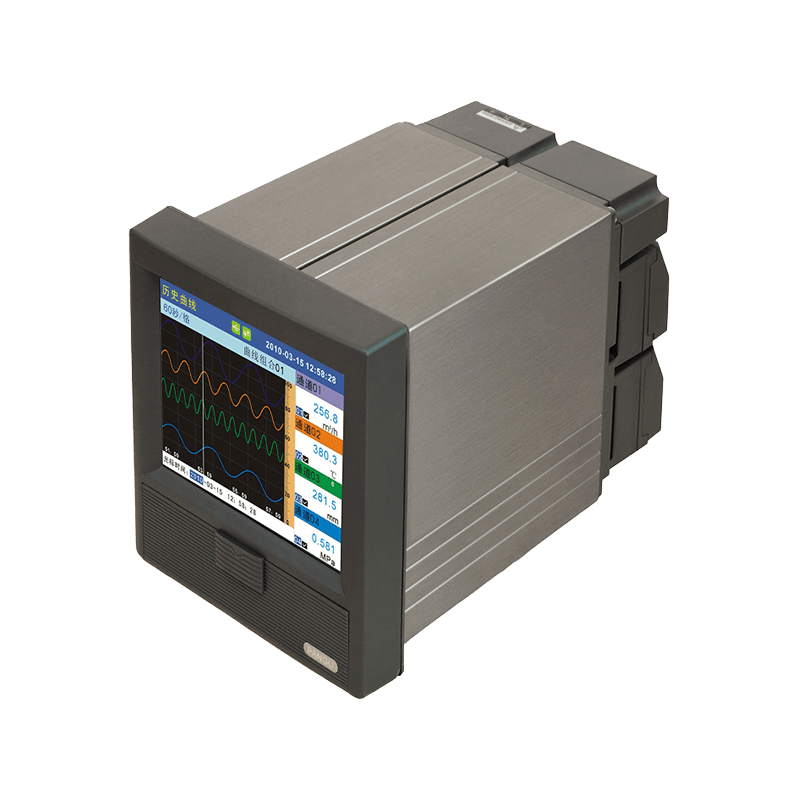
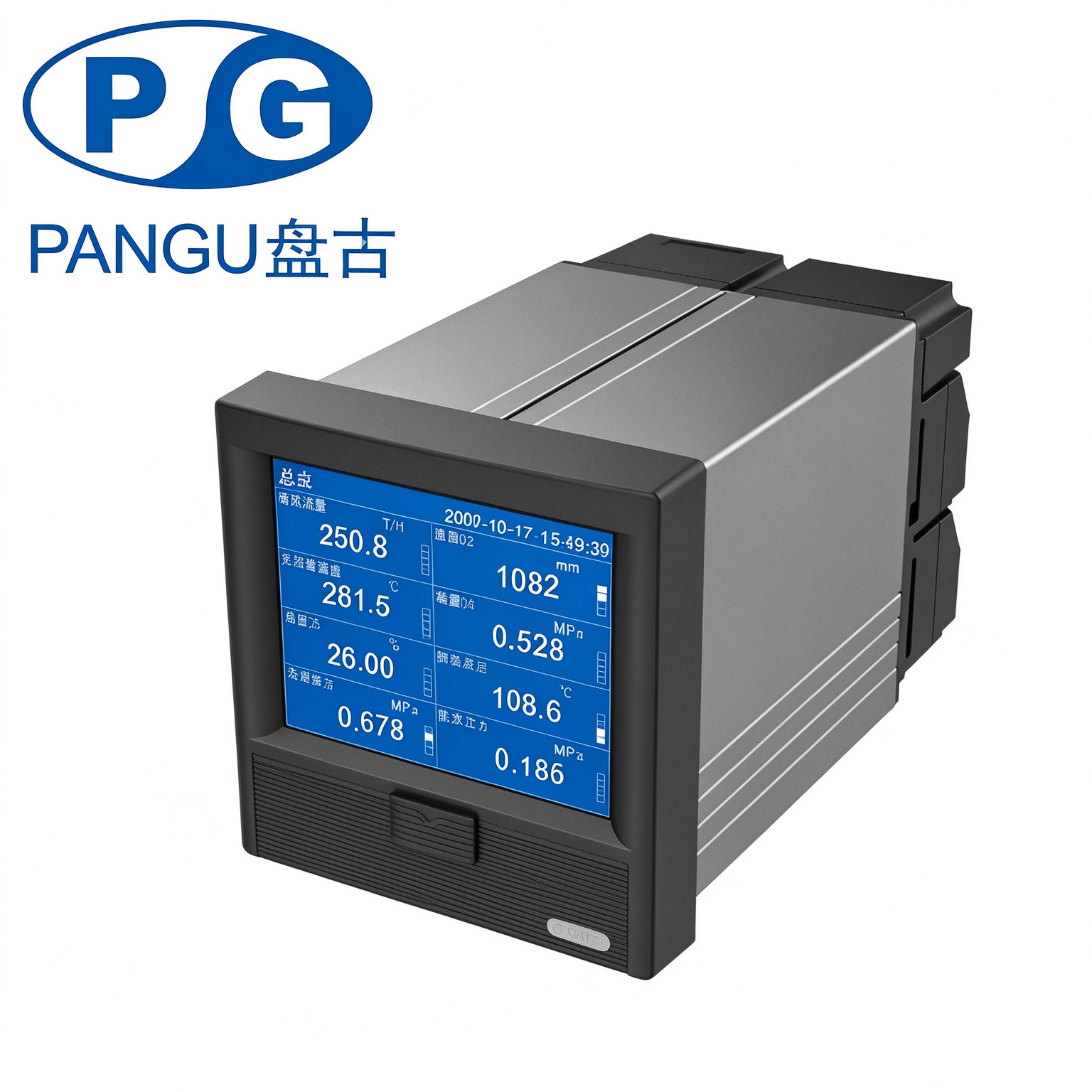
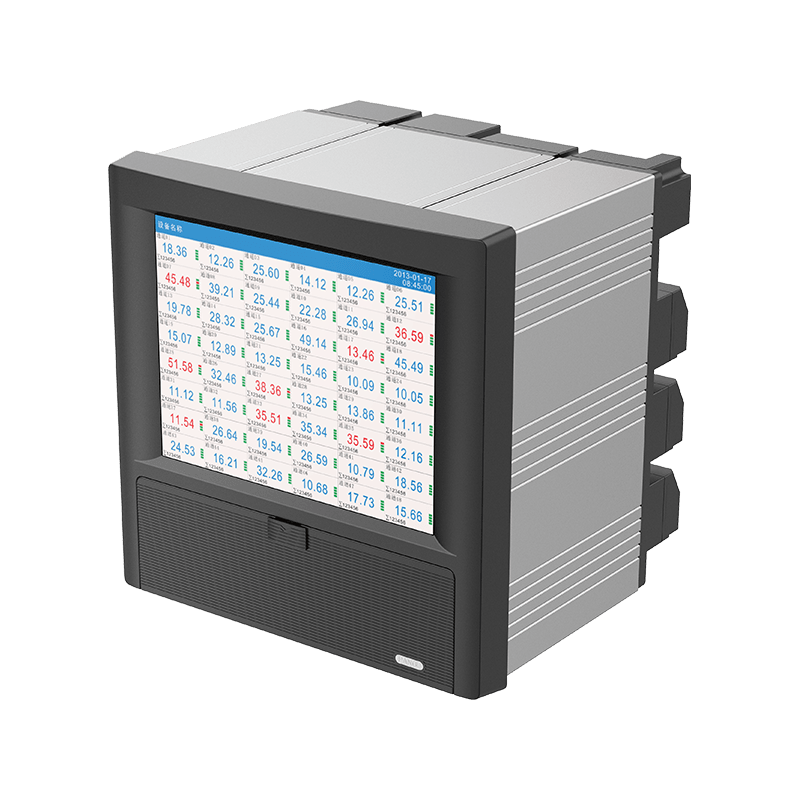
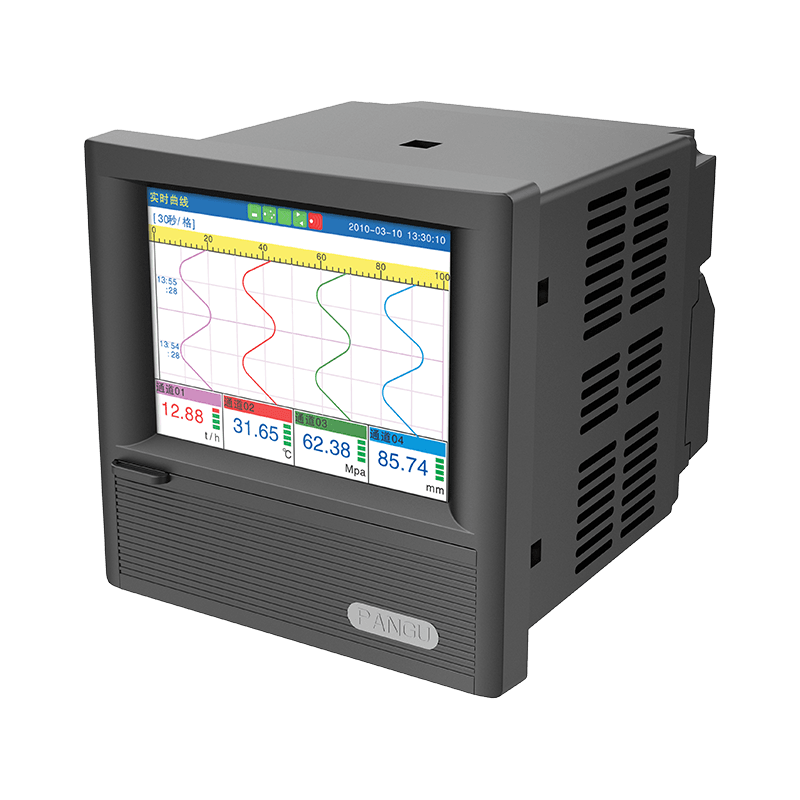
To many engineers, a paperless recorder looks like a modest, rectangular black box mounted neatly on a control panel or operating console—perhaps lacking the flashiness of a PLC or an advanced IIoT sensor. Yet, step into any modern industrial facility—whether it’s a chemical plant, a metallurgy workshop, a food processing line, or a water treatment plant—and you will find it quietly at work.
Day in and day out, it monitors temperature, pressure, flow rates, and fluid levels, serving as the silent guardian of process safety. Without complex gimmicks, why has this standard industrial instrument remained an indispensable backbone for factories worldwide?
Why the Paperless Recorder is the Ultimate Process Steward
For decades, traditional mechanical chart recorders dominated industrial floors. However, they came with persistent headaches: messy ink refills, frequent paper jams, and bulky physical archives that were difficult to audit. The advent of the modern paperless data recorder revolutionized plant monitoring by shifting the entire workflow into the digital age:
01
Multi-Channel Synchronized Data Acquisition & HD Display
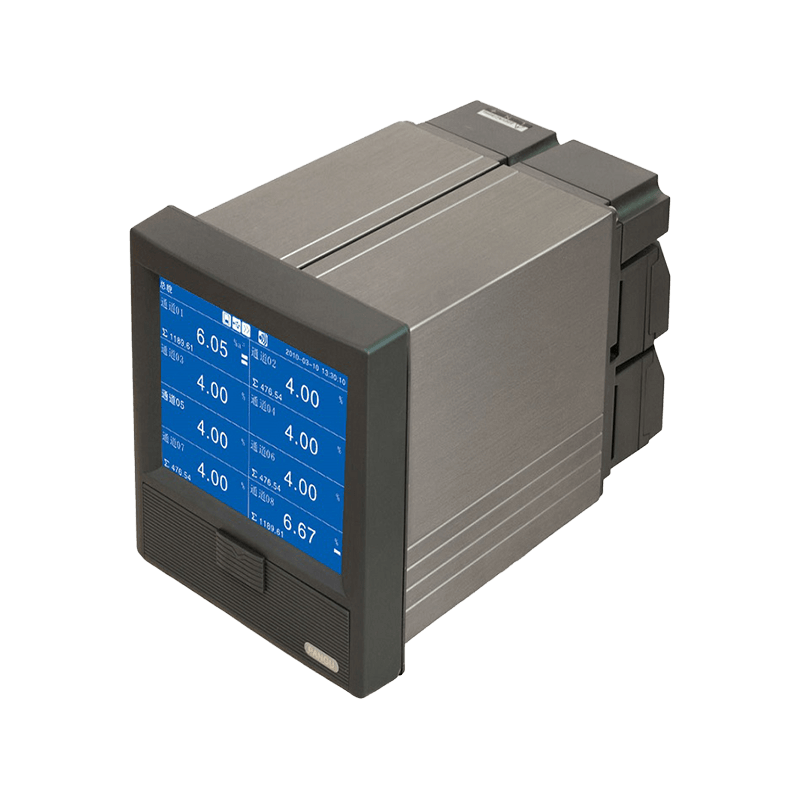
Modern units support multi-channel inputs (such as 8, 16, or more) compatible with universal signals like thermocouples, RTDs, and 4-20mA standards. High-definition LCD screens display real-time trend curves, digital tables, and bar graphs, giving operators a comprehensive overview at a single glance.
02
The Industrial "Data Black Box"
Equipped with built-in high-capacity flash memory and secure USB export options, these devices store historical logs in secure binary formats. This protects data integrity against sudden power failures and prevents unauthorized manual tampering.
03
Robust Alarm Systems & Plant Safety
Whether dealing with over-temperature thresholds, high pressure, or sensor breaks, the unit immediately triggers acoustic buzzers or relay outputs to alert operators, preventing risks from escalating into safety hazards.
How to Choose the Right Paperless Recorder for Your Plant
If you are upgrading your control panels or sourcing hardware for a new automation project, evaluating the right technical specifications prevents costly mistakes. Keep these core metrics in mind:
01
Channel Count & Isolation Type
Calculate how many monitoring points you need. If your site suffers from heavy electrical noise, always invest in isolated-channel hardware to prevent signal crosstalk.
02
Sampling Rate
Determine your reaction time requirements. Standard temperature monitoring generally functions well with a 1-to-2-second sampling interval, whereas dynamic physical responses demand high-speed acquisition models.
03
Communication Protocols
Ensure the recorder supports standard industrial networking like RS485, Modbus, or Ethernet so it can easily interface with your upper-layer SCADA or MES systems.
Industrial Instrumentation
Request a Custom Quote (RFQ) for Your Industrial Project
Are you planning to upgrade your facility's data monitoring systems or sourcing reliable paperless recorders for an upcoming automation project? We provide robust, industrial-grade paperless recording solutions tailored to your channel, voltage, and compliance requirements.
Fill out the quick inquiry form below to connect directly with our engineering and sales team for volume pricing, data sheets, and custom configurations:
Contact Our TeamConclusion: From Manual Logs to Digital Foundations
While it may not command the spotlight like cloud software or robotic arms, the paperless recorder bridges the gap between raw physical machinery and reliable digital tracking. It remains one of the most pragmatic and trusted investments an automation engineer can make.
PREV:Electromagnetic vs Mechanical Flow Meters: How to Choose the Right One
NEXT:Remote Electromagnetic Flowmeter vs. Compact Type: The Ultimate Industrial Guide
NEXT:Remote Electromagnetic Flowmeter vs. Compact Type: The Ultimate Industrial Guide
Interested in cooperation or have questions?
Contact Us Now!
Kelly

+86 13967196545

pangusales@vip.163.com
Production Base:

Building 1 and Building 42, No. 889 Huancheng North Road, Deqing County, Huzhou City, Zhejiang Province
Jiji
+86 15397010616
pgsalesjiji@vip.163.com

+86-0571-87770830
Corporate Headquarters:
602-702, Block D, Building 3, Area B,Xigang New Territories, 206 Zhenhua Road,Hangzhou City, Zhejiang Province, China

Copyright © Hangzhou Pangu Automation System Co., Ltd. Rights Reserved.
Custom Digital Panel Mount Industrial Instruments Suppliers
