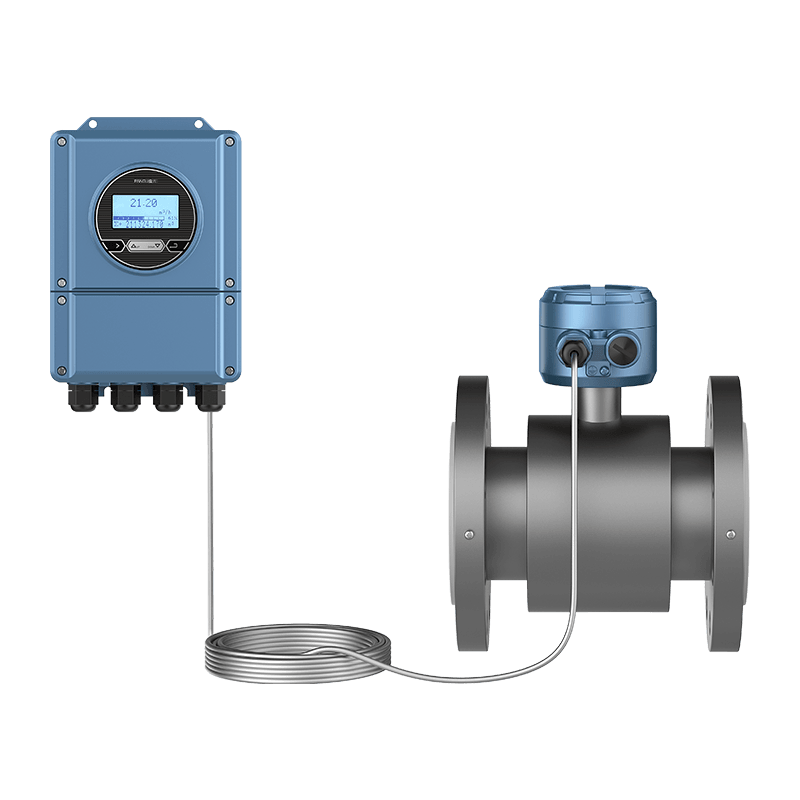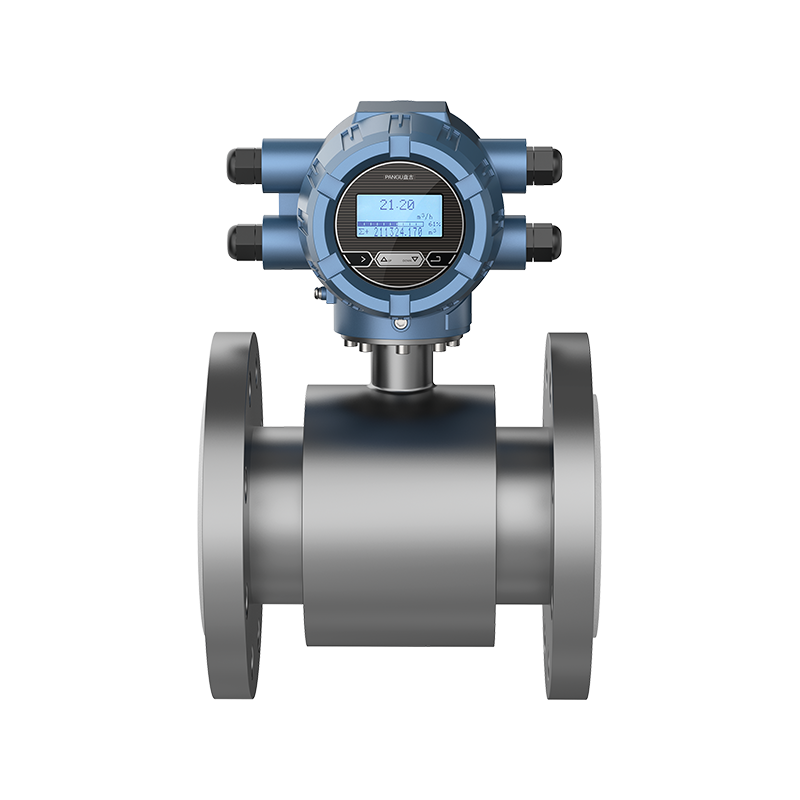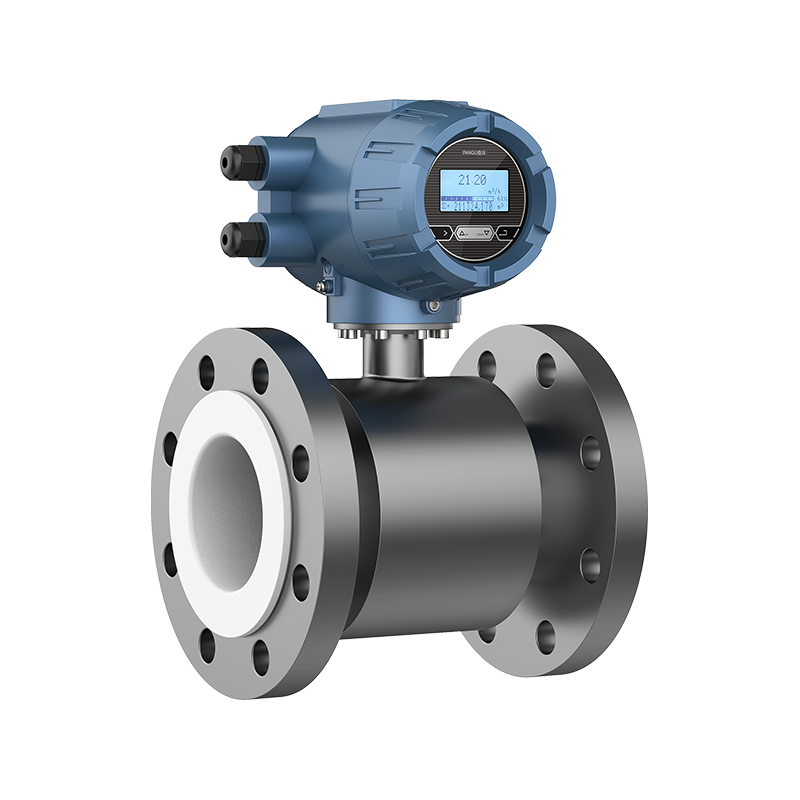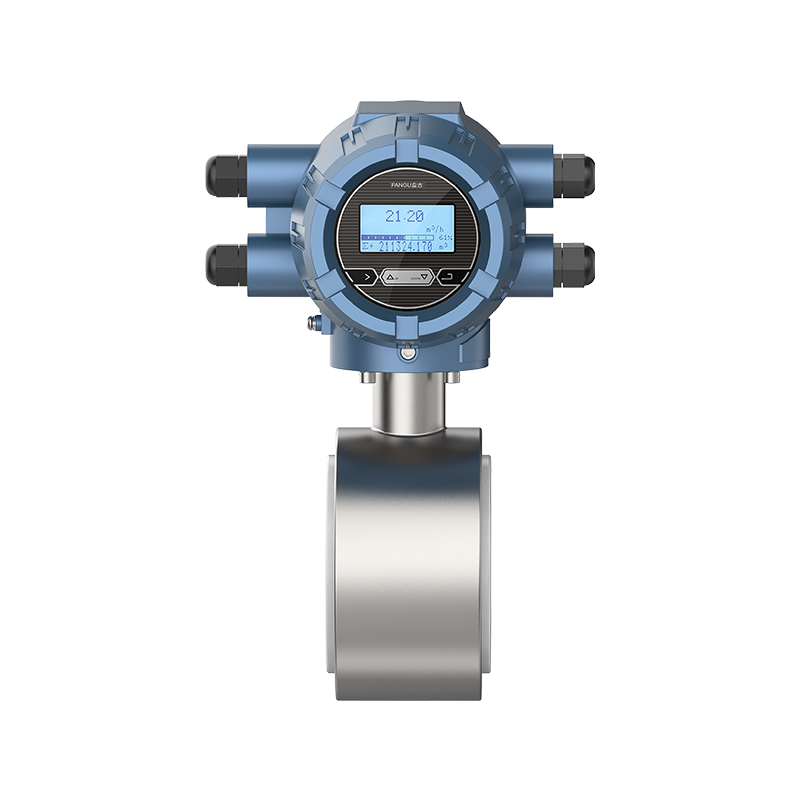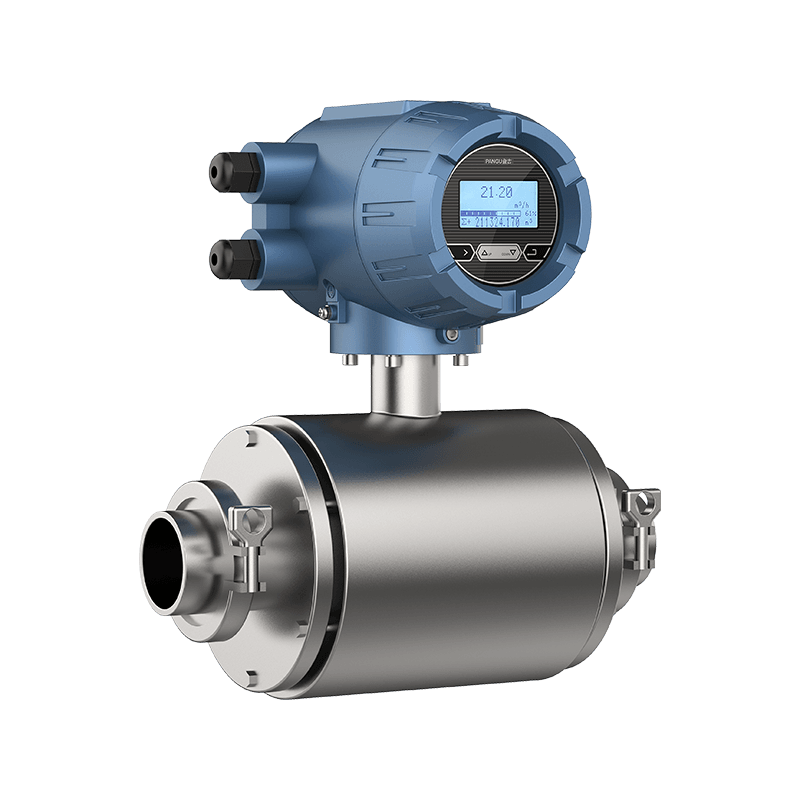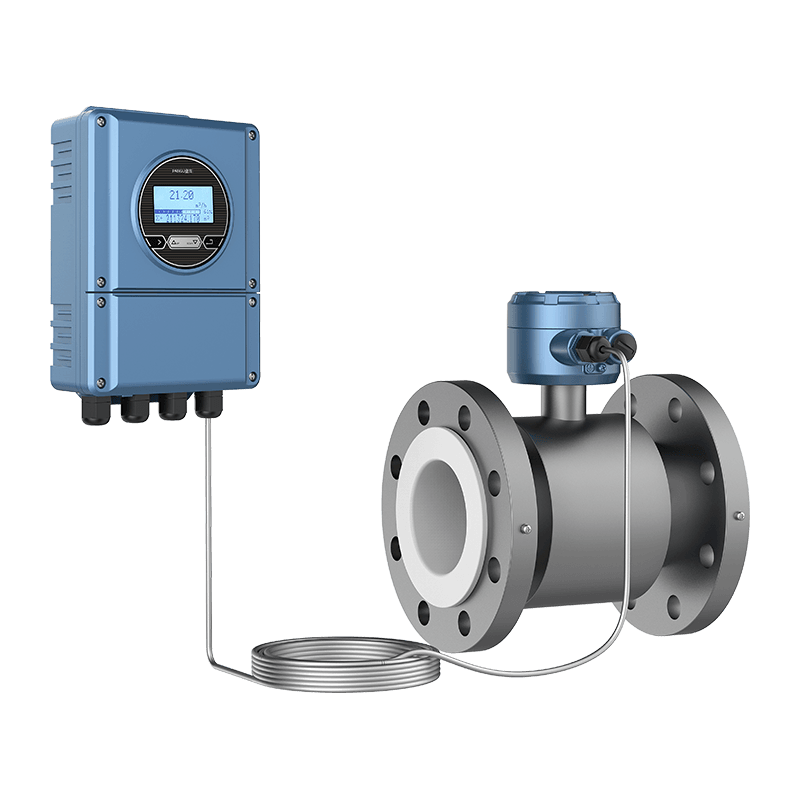
Flow measurement in wastewater treatment systems is used to monitor the movement and volume of wastewater throughout different treatment stages. Accurate flow data helps operators track influent and effluent flows, manage treatment processes, monitor discharge volumes, and maintain stable system operation. Flow measurement solutions can be applied to wastewater collection, biological treatment, sludge processing, and treated water discharge.
Get a Quote →Wastewater treatment flow measurement is the continuous monitoring of how much liquid moves through the pipes, channels and process units of a treatment plant. Readings are taken at the plant inlet, between treatment stages, in sludge and chemical lines, and at the final discharge point, so that operators can track load, control dosing and prove compliance with discharge permits.
Instruments used for this task must cope with solids, grease, fibers, variable conductivity and changing flow rates. Common technologies include electromagnetic flowmeters for full pipes, ultrasonic devices for pipes and open channels, and level-based primary elements such as flumes and weirs. This page explains how these options differ, where each fits, and what buyers should verify before selecting a metering solution.
Reliable Readings in Dirty Media
Raw sewage and sludge carry suspended solids, rags and grease. Meters with an unobstructed measuring path reduce the risk of blockage and drift in these conditions.
Wide Flow Range Coverage
Plant flow changes between night, daytime peaks and storm events. A meter should keep usable accuracy at low flow while handling the highest expected rate.
Corrosion and Abrasion Resistance
Liner and electrode materials should match the medium, including hydrogen sulfide, chlorides, acids and abrasive grit that attack unsuitable materials over time.
Totalizing and Data Output
Instantaneous rate, accumulated volume and standard signal outputs allow integration with plant control systems, data loggers and reporting software.
Stable Long-Term Performance
Instruments with no moving parts and limited wear surfaces usually hold calibration longer and need fewer service visits in continuous duty.
Ingress Protection for Wet Sites
Pits, chambers and outdoor channels may flood. Sensor and converter enclosures should carry an ingress rating that suits the installation location.
Whatever technology is chosen, most installations follow the same signal path. A primary element or sensor contacts or observes the liquid, a transmitter converts the raw signal into a flow value, and a totalizer or control system records and uses the result.
Keeping this chain in mind helps buyers separate the questions that matter: whether the sensor suits the medium, whether the transmitter provides the outputs the plant needs, and whether the receiving system can store the data for audits.
Plant Inlet and Screening
Inlet metering records the incoming load and supports capacity planning. Open channels are often measured with a flume or weir combined with an ultrasonic level sensor, while pressurized force mains suit full-bore devices.
Biological Treatment and Aeration
Flow data for internal recycle, mixed liquor transfer and return activated sludge helps operators hold the intended process balance between tanks and clarifiers.
Sludge Handling
Thickened and digested sludge lines carry high solids content. Obstruction-free sensors and flushing or cleaning provisions are common requirements here.
Chemical Dosing Lines
Coagulant, polymer, disinfectant and pH correction lines use flow signals to verify dosing and to support proportional control.
Final Effluent Discharge
Discharge metering produces the volume records submitted to regulators, so stable totalization and secure data storage are priorities at this point.
Reuse and Reclaimed Water
Where treated water is recycled for irrigation or industrial use, flow records support allocation, billing and distribution balancing.
The table below gives a general, qualitative view of common approaches. Final suitability always depends on pipe size, medium and site conditions.
| Technology | Typical Pipe Condition | Handles Solids | Moving Parts | Common Use |
|---|---|---|---|---|
| Electromagnetic flowmeter | Full pipe | Very good | None | Raw sewage, sludge, effluent |
| Insertion electromagnetic | Full pipe, large diameter | Good | None | Large mains, retrofit points |
| Clamp-on ultrasonic | Full pipe | Depends on solids level | None | Temporary checks, hard-to-cut lines |
| Open channel ultrasonic level with flume or weir | Open channel | Very good | None | Inlet channels, discharge channels |
| Area-velocity sensor | Partly filled pipe | Moderate | None | Sewer collection, partly filled lines |
For clean, fully filled pressurized lines, electromagnetic technology is widely chosen because it needs conductive liquid but is insensitive to suspended solids. For free-surface flow, level-based open channel measurement remains the standard approach.
Recommended Practices
Common Mistakes to Avoid
Routine Inspection
Check housings, cable glands and display readings on a regular schedule. Look for moisture, corrosion and unexpected zero readings.
Electrode and Sensor Cleaning
Grease and scale can coat electrodes or transducer faces. Cleaning intervals depend on the medium and should follow the manufacturer manual.
Zero and Signal Checks
Many meters allow a zero check with the line full and flow stopped, which helps detect drift before it affects reported volumes.
Periodic Verification
Verification against a reference method or an in-situ check tool supports compliance records and confirms that performance remains within permitted limits.
Sizing data: pipe diameter, wall material, flow range and operating pressure supplied in writing.
Configuration: compact or remote converter, cable length, flange standard and power supply type.
Documentation: factory calibration report, material certificates and test records suited to the project specification.
Support scope: installation guidance, spare part availability and remote technical assistance during commissioning.
Packing and delivery: protective packaging for liners and electrodes, plus clear lead time and shipping terms.
Tip: Supplying a short description of the line, such as its purpose, medium and available straight length, lets a supplier recommend a suitable meter type faster and reduces revision cycles.
Flow data supports process control, chemical dosing, energy management and regulatory reporting. Without reliable flow records, operators cannot confirm loading, balance treatment stages or demonstrate that discharge volumes stay within permit limits.
Electromagnetic flowmeters are widely used because they have no obstruction in the pipe and are not affected by suspended solids. They require a conductive liquid and a pipe that remains completely filled.
The usual method combines a primary structure, such as a flume or weir, with a level sensor. Because the relationship between liquid level and flow is defined by the structure, level readings can be converted into flow values by the transmitter.
Standard full-bore electromagnetic meters need a full pipe. For partly filled lines, area-velocity sensors or specially designed devices are used, and the installation should be reviewed with the supplier before purchase.
Requirements vary by technology and model, so the manufacturer installation manual should be followed. As a general rule, sensors should sit away from pumps, valves and bends to keep the flow profile stable. Some designs tolerate shorter runs than others.
The choice depends on the medium. Abrasive sludge, aggressive chemicals and varying pH all influence material selection. Share the medium description with the supplier so that liner and electrode options can be matched to it.
Visual inspections are usually done on a routine basis, while formal verification intervals are set by site policy and permit requirements. Meters in greasy or scaling service may need more frequent cleaning than those on clean effluent.
Most modern transmitters provide analog current output, pulse output and digital communication options. Confirm the required signal type before ordering so that the meter can be wired to the existing control system without extra converters.
Provide the pipe or channel size, medium description, minimum and maximum flow, operating pressure and temperature, connection standard, power supply and output signal needs. Photos of the installation point also help the supplier check suitability.
Clamp-on and some insertion designs can be fitted with little or no interruption, which suits retrofits and temporary checks. Inline flanged meters normally require the line to be isolated during installation.
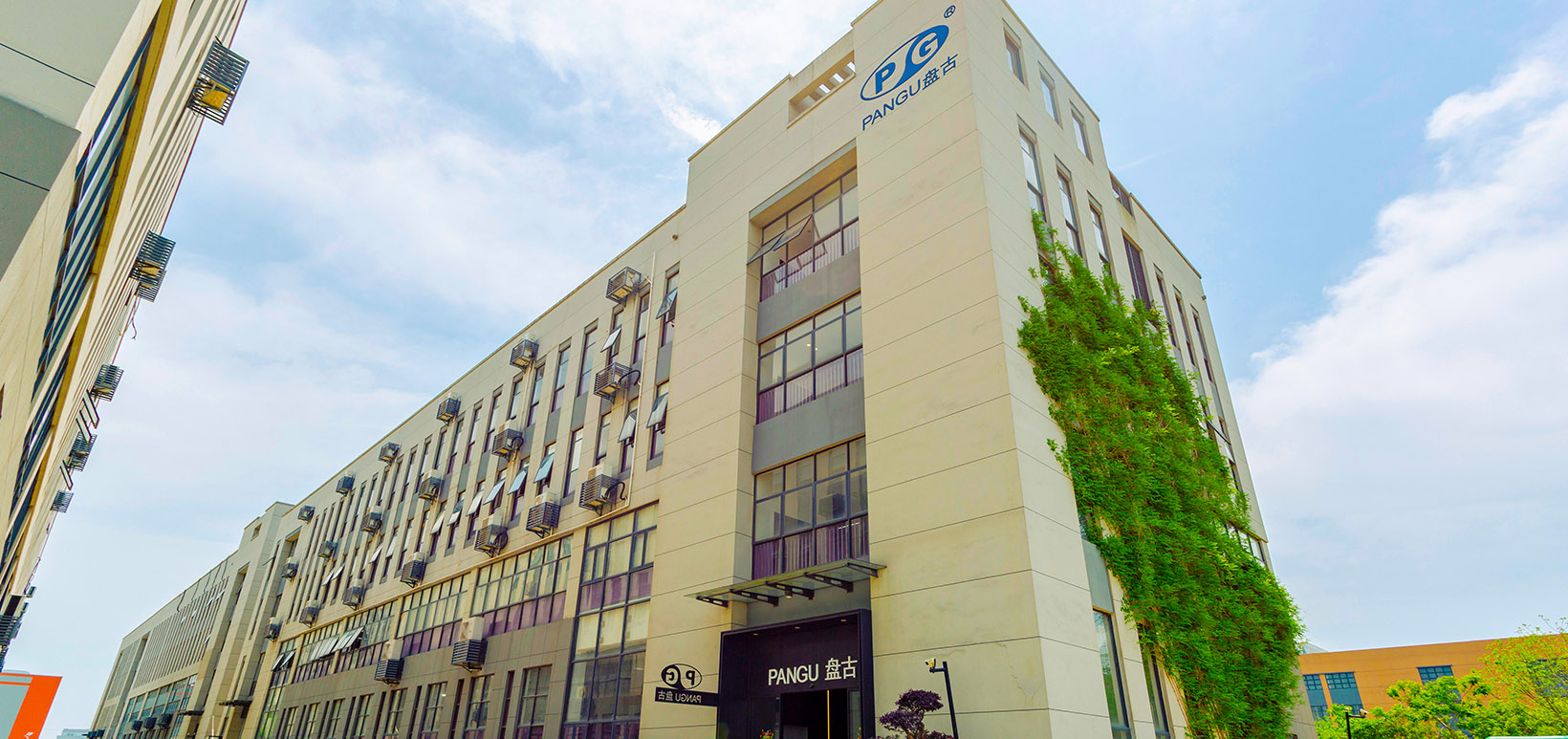
Hangzhou Pangu Automation System Co., Ltd. is professional China wholesale Wastewater Treatment Flow Measurement manufacturers and Wastewater Treatment Flow Measurement suppliers, with strict quality control and years of industrial application experience.
 Aging Chamber
 High-Speed Chip Mounter
 Glue Dispensing Machine
 Potting Process
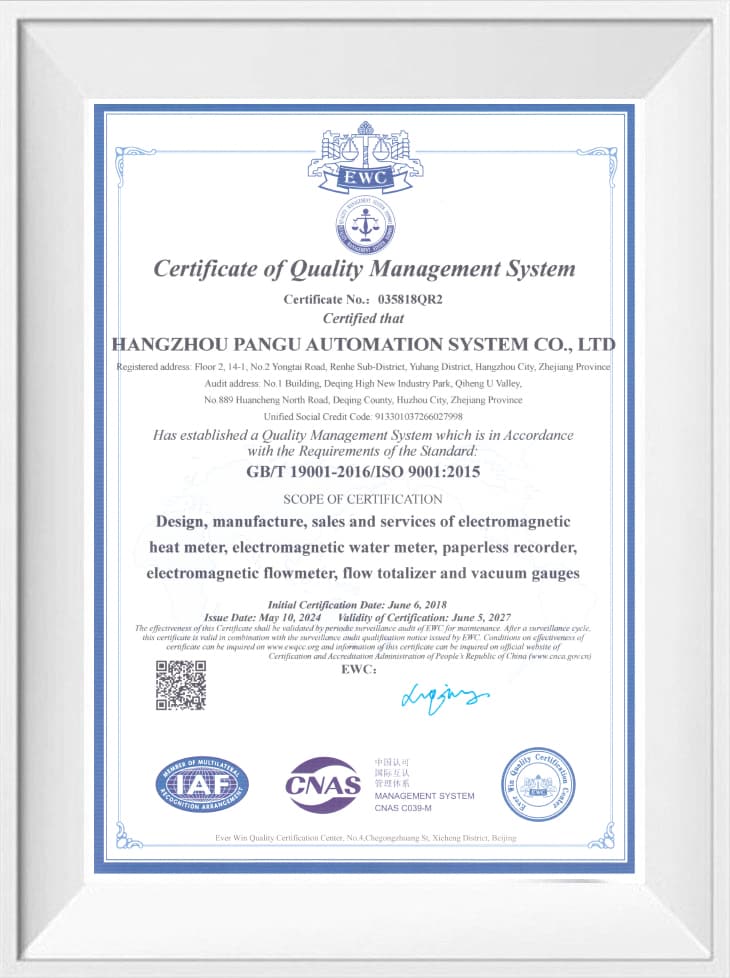 Quality Management System Certification
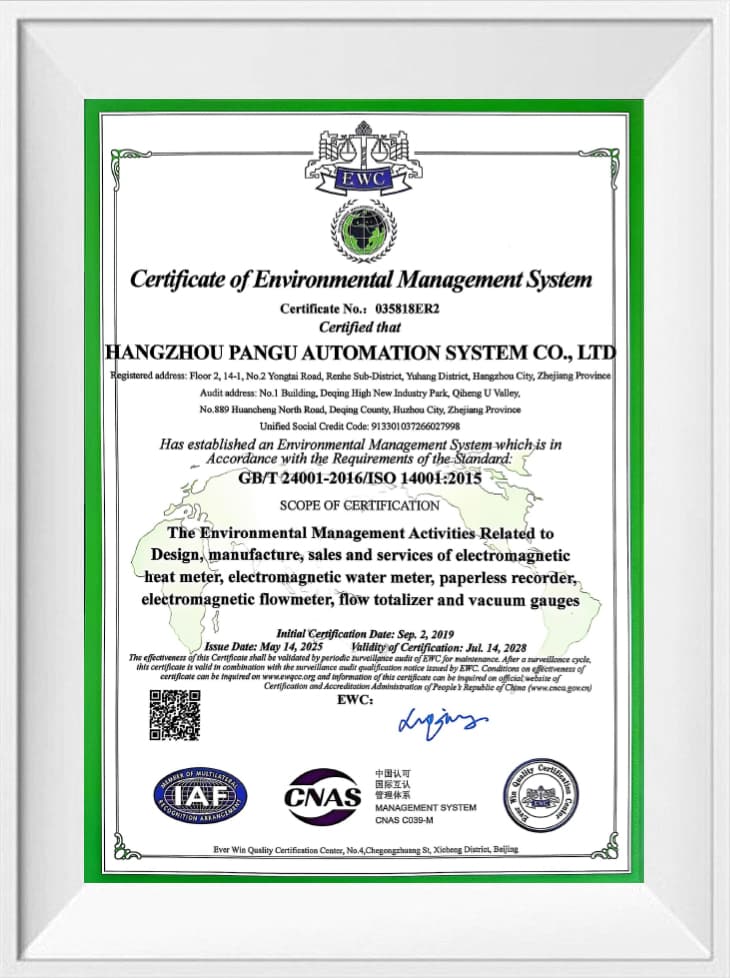 Environmental Management System Certification
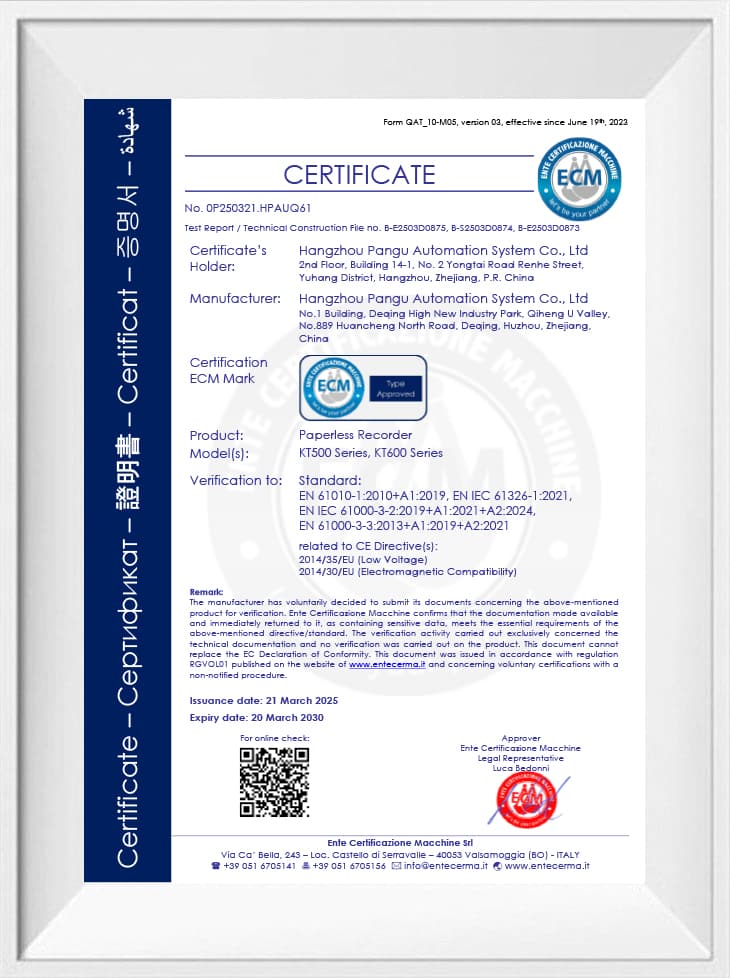 CE Certificate
 SIL Certificate
Yes. Send us your requirements and we will propose a solution.
Standard models ship quickly; custom orders depend on quantity.
Tell us your requirements and our engineers will reply promptly.
✉pangusales@vip.163.com
☎+86 13967196545
⚑602-702, Block D, Building 3, Area B,Xigang New Territories, 206 Zhenhua Road,Hangzhou City, Zhejiang Province, China