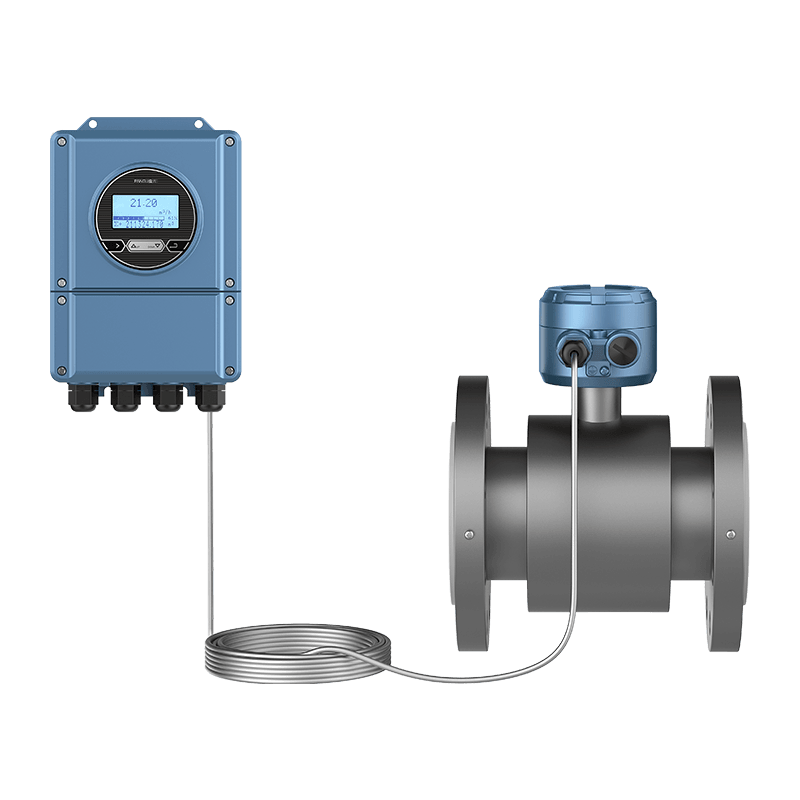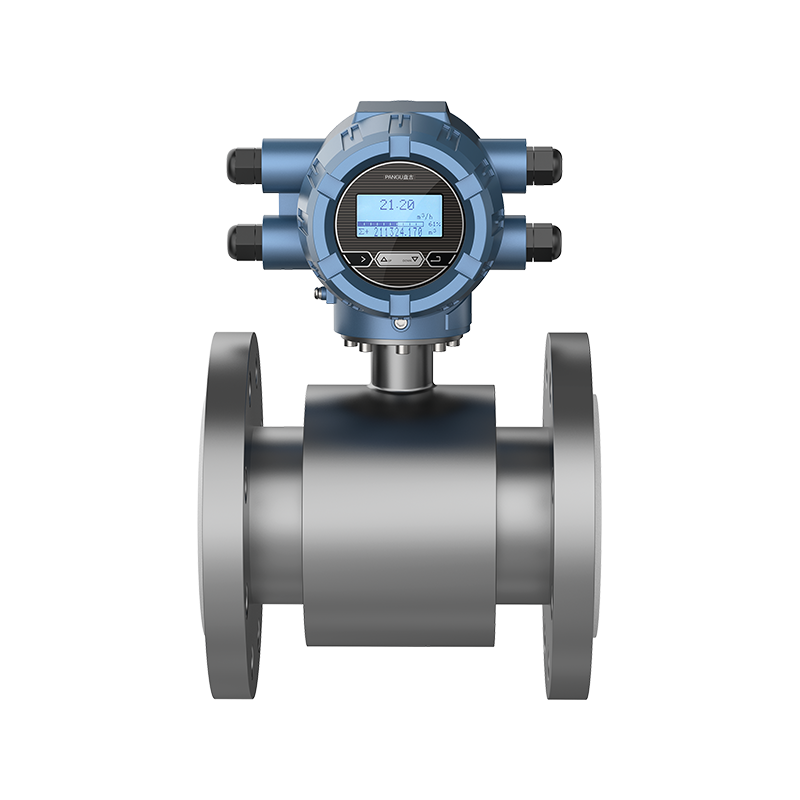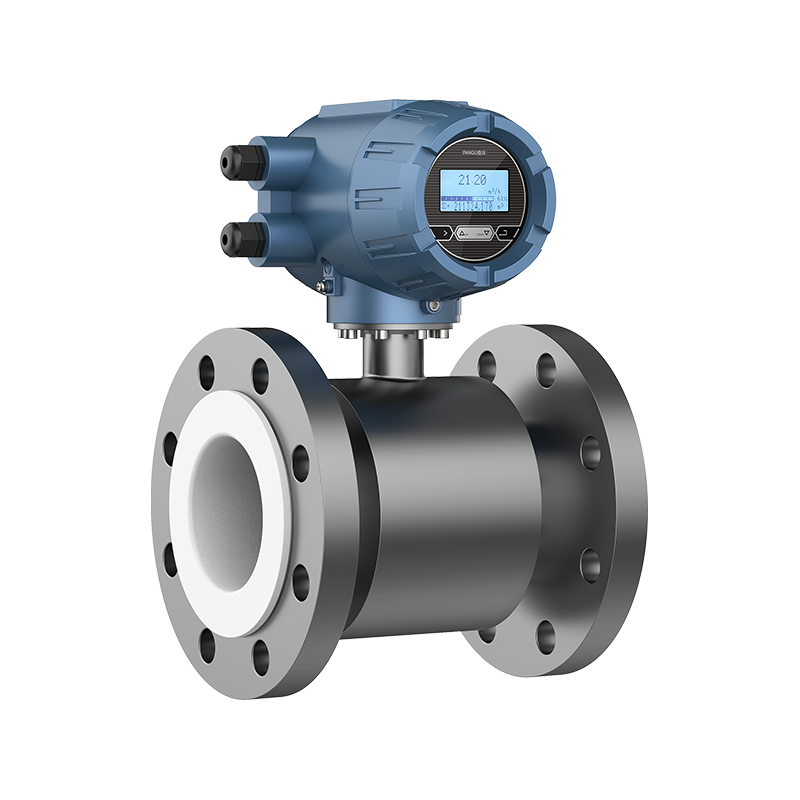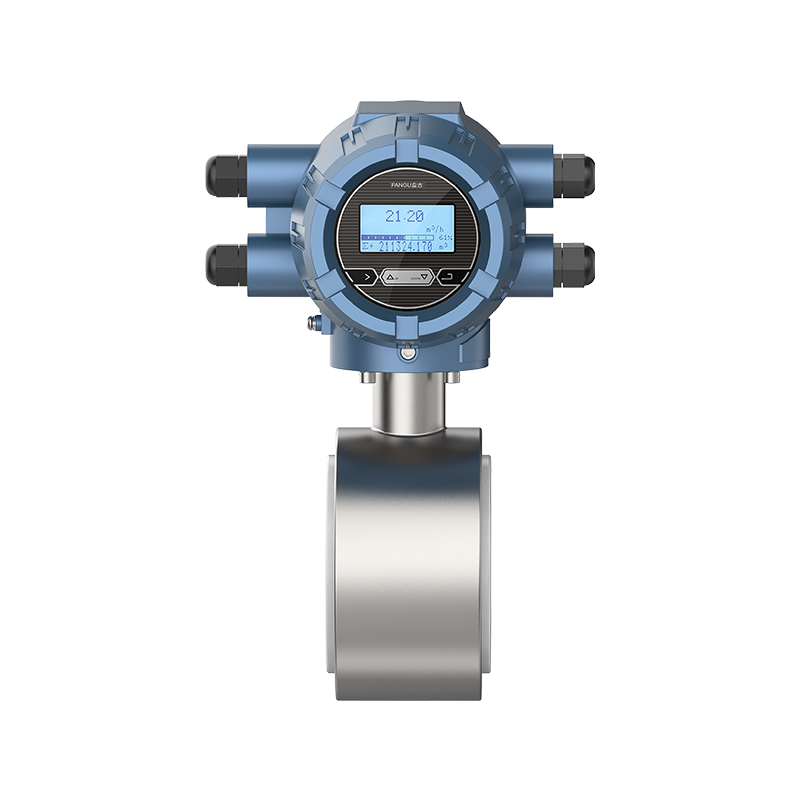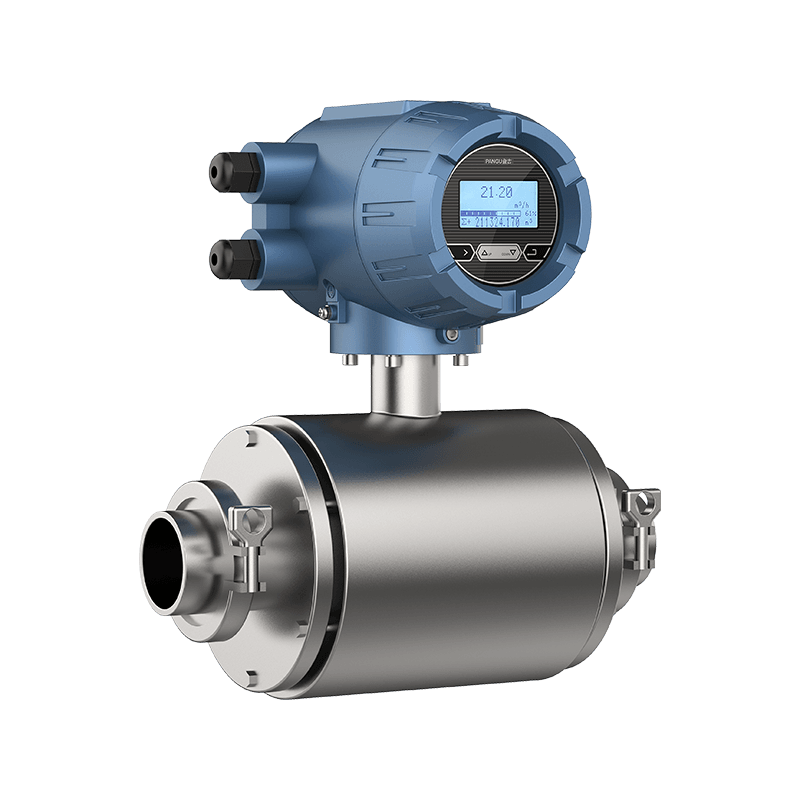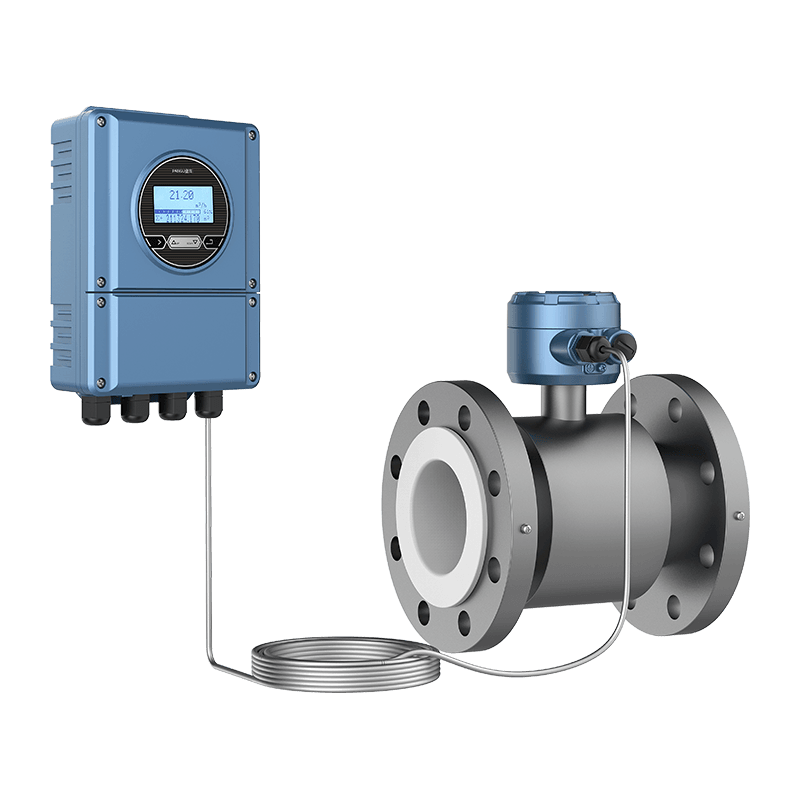
Our metallurgical industry flow control solutions support the monitoring and measurement of process fluids across metal production operations, helping improve process stability and operational efficiency.
Get a Quote →Metallurgical industry flow control covers the measurement and regulation of water, gases, slurries, acids and lubricants used in ironmaking, steelmaking, casting, rolling and non-ferrous processing. Flow instruments and control valves keep cooling circuits within safe limits, deliver reagents in the correct amounts and allow plant teams to track the consumption of water, air and process gases.
These plants are hard on equipment. High temperatures, dust, scale, vibration and strong electrical interference are common, and many fluids are abrasive or corrosive. Reliable solutions combine rugged sensors, suitable wetted materials, careful installation and control components that respond quickly when conditions change. This page outlines the main applications, technology choices and points to verify before ordering.
Heat Tolerance
Instruments near furnaces and casting areas must withstand radiant heat, hot process fluids and temperature peaks during upsets.
Abrasion and Corrosion Resistance
Ore slurry, scale-laden water and pickling acids attack unsuitable materials, so liners, electrodes and housings need careful matching.
Immunity to Electrical Noise
Arc furnaces, large motors and drives create interference, so grounding, shielding and filtering are important for stable signals.
Fast Response for Protection
Loss of cooling flow can damage equipment quickly, so low-flow alarms and interlocks must act without delay.
Large Pipe Sizes and Wide Ranges
Main cooling and gas headers are large, and flow changes with production load, so range and pipe size options matter.
Plant System Integration
Flow signals feed PLC and DCS systems for control, alarms and energy reporting, so standard outputs are expected.
Cooling water protects furnace shells, casting molds and rolling equipment. A pump supplies the equipment, a flowmeter confirms that enough water is moving and a control valve adjusts the supply, while hot return water goes back to a cooling tower or heat exchanger.
Because a stoppage can quickly harm equipment, many plants combine the flow signal with temperature and pressure interlocks that trip or reduce the process automatically.
The table gives a general overview. The medium, pipe size and available straight length usually decide the final choice.
| Technology | Medium | Moving Parts | Large Pipe Option | Typical Use |
|---|---|---|---|---|
| Electromagnetic | Conductive liquid | None | Yes | Cooling water, slurry, acid, effluent |
| Ultrasonic clamp-on | Clean or lightly loaded liquid | None | Yes | Retrofit on large cooling lines |
| Vortex | Steam, gas, clean liquid | None | Moderate | Steam and compressed air |
| Thermal mass | Clean gas | None | Insertion type | Process gas and air consumption |
| Differential pressure | Gas, steam, liquid | None | Yes | Gas headers, orifice and averaging probe use |
| Coriolis mass | Liquid or gas | Vibrating tube | Limited | Reagent and lubricant dosing |
For conductive liquids, electromagnetic flowmeters are widely used because they handle scale, solids and large diameters, while gas headers often use insertion or differential pressure devices that can be fitted to big pipes.
Cooling water for furnace stave and tuyere circuits, blast and gas lines and slag handling water all need continuous flow supervision.
Converter and electric furnace cooling, oxygen and inert gas supply, and fume treatment water rely on accurate, dependable flow data.
Mold cooling, secondary spray cooling and machine water circuits require stable flow control to protect the strand and equipment.
Descaling water, roll cooling and lubrication systems use flow signals to control spray patterns and consumption.
Slurry feed, thickener underflow, leaching reagents and tailings lines depend on wear-resistant measurement and control.
Acid and rinse water flows influence strip quality, chemical use and effluent load, so corrosion resistance is essential.
Recommended Practice
Frequent Problems
Control Valve Selection
Valve trim, body material and actuator speed should suit the fluid and the response needed. Abrasive slurry requires wear-resistant designs.
Pump Speed and Flow Control
Variable speed drives can regulate flow with less energy than throttling, and flow signals are used to set the speed.
Interlocks and Alarms
Low-flow and high-temperature alarms should connect to the control system with clear limits, and be tested on a regular schedule.
Inspection and Verification
Plan cleaning, calibration and inspection of liners, electrodes and seals for scheduled shutdowns, and keep records of each check.
Process data: fluid description, temperature, pressure, solids content and flow range.
Materials and construction: liner, electrode, body and seal materials confirmed in writing.
Environmental protection: ingress rating, ambient temperature limits and remote converter options.
Signals and protocols: outputs, communication protocol and alarm contacts suited to the plant system.
Support and documents: calibration reports, certificates, spare parts and commissioning assistance.
Tip: A drawing or photo of the measuring point, with pipe size, available straight length and nearby equipment marked, helps a supplier suggest the right instrument and mounting method more quickly.
Furnaces, molds and rolls depend on cooling water to avoid overheating. A sudden loss of flow can cause equipment damage and safety risks, so flow signals are tied to alarms and interlocks that act quickly.
Electromagnetic flowmeters are widely used because they have no obstruction and are available for large diameters. Clamp-on ultrasonic meters are also popular for retrofitting on existing large lines without cutting the pipe.
Electromagnetic meters with wear-resistant liners are commonly used on ore slurry and tailings lines. The liner choice depends on solids content, particle hardness and flow velocity.
Differential pressure devices, insertion thermal mass meters and vortex meters are commonly applied to gas lines. The gas type, pressure, temperature and pipe size influence which one is suitable.
Yes. Instruments for oxygen service require suitable materials and special cleaning to remove oils and contaminants. State the oxygen service clearly when requesting a quotation so the supplier can confirm the correct preparation.
Use shielded cables, proper grounding and separation from power wiring, and select converters with good filtering. Remote converter mounting away from the noisiest equipment can also help.
Scale can alter the flow area and coat electrodes or transducer surfaces. Regular cleaning and inspection during shutdowns, along with materials suited to the water chemistry, help reduce the effect on readings.
Yes, if the sensor and converter ratings cover the ambient and process temperature. Remote converters, heat shields and insulation distance the electronics from heat, and the supplier can advise on limits.
Intervals depend on the criticality of the loop and site conditions. Protection loops are usually tested more often, and cleaning or calibration is planned around scheduled maintenance outages.
Provide the fluid, temperature, pressure, pipe size and material, flow range, environment details, output signals and control requirements. Drawings or photos of the installation point are very helpful.

Hangzhou Pangu Automation System Co., Ltd. is professional China wholesale Metallurgical Industry Flow Control manufacturers and Metallurgical Industry Flow Control suppliers, with strict quality control and years of industrial application experience.
 Aging Chamber
 High-Speed Chip Mounter
 Glue Dispensing Machine
 Potting Process
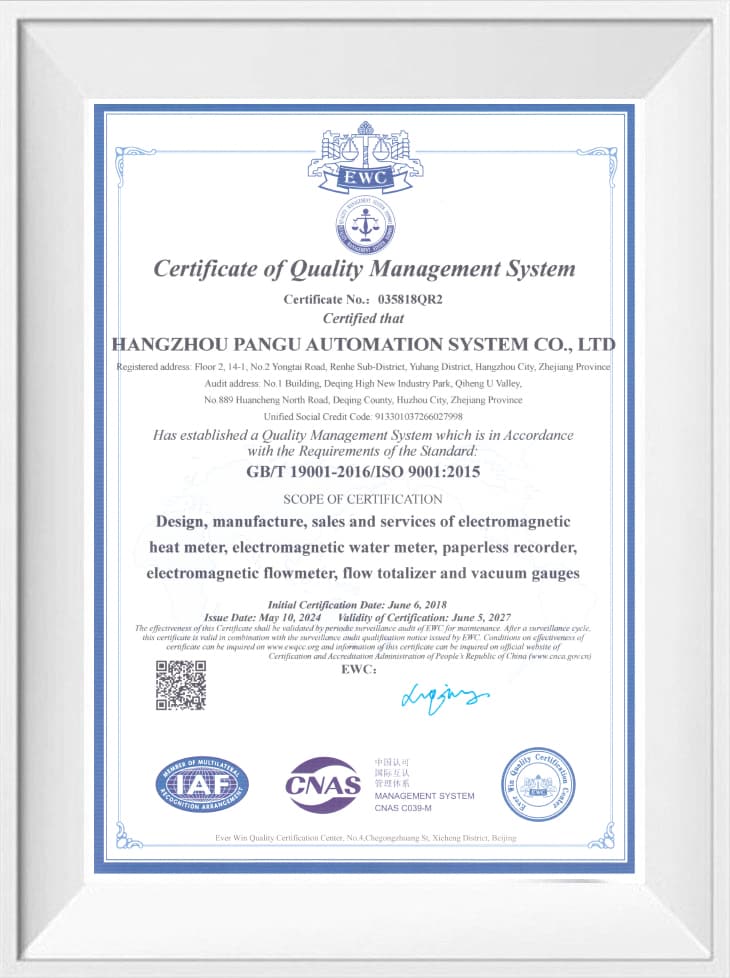 Quality Management System Certification
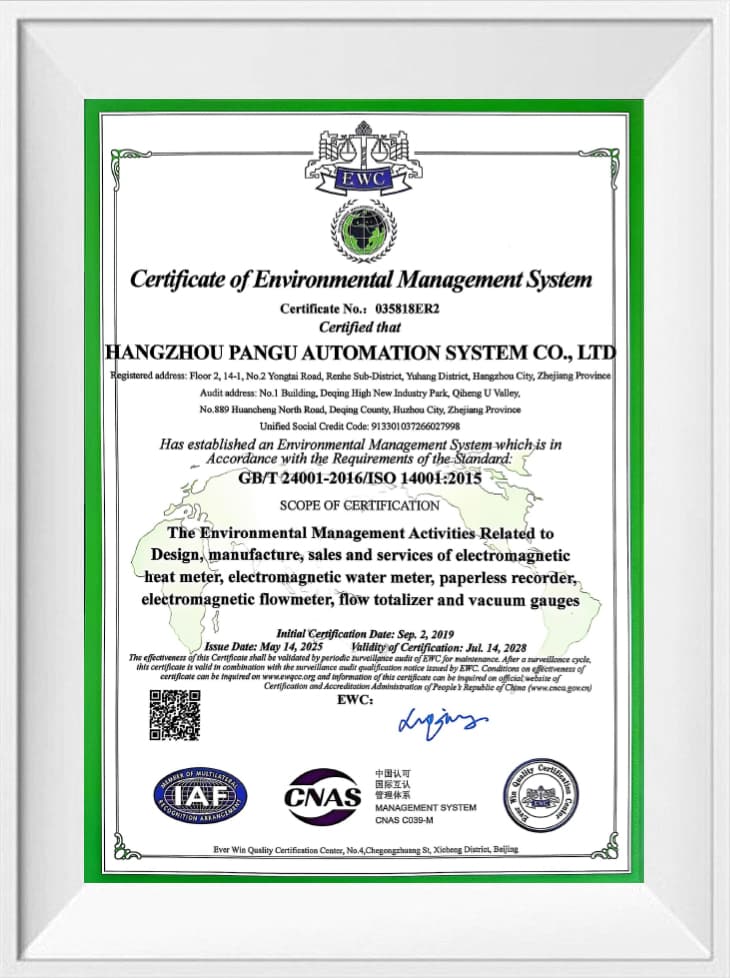 Environmental Management System Certification
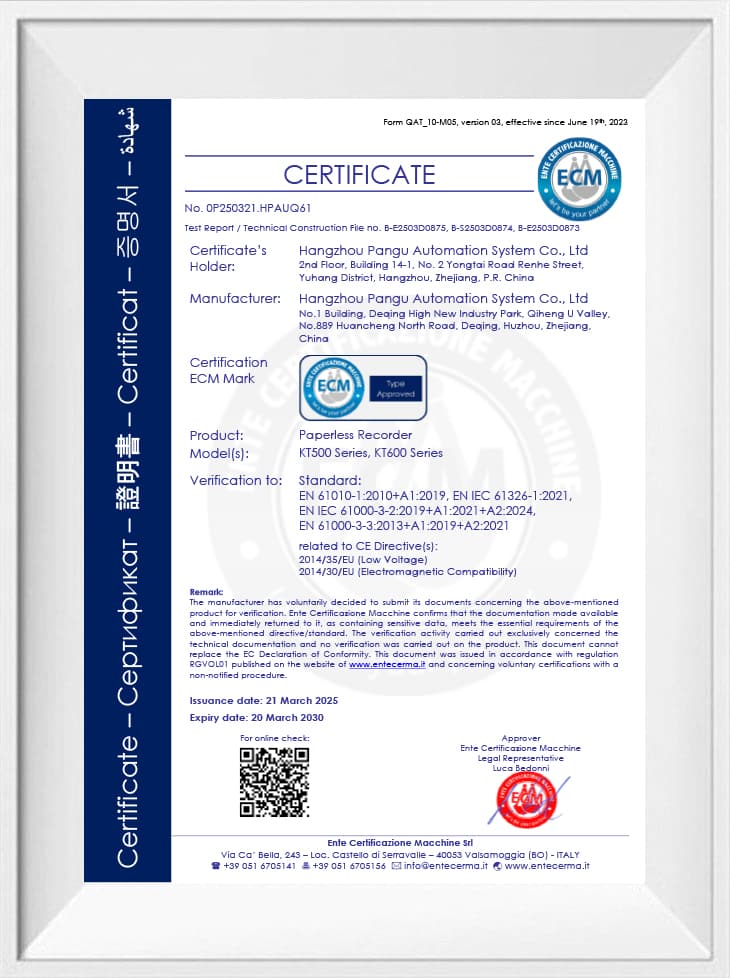 CE Certificate
 SIL Certificate
Yes. Send us your requirements and we will propose a solution.
Standard models ship quickly; custom orders depend on quantity.
Tell us your requirements and our engineers will reply promptly.
✉pangusales@vip.163.com
☎+86 13967196545
⚑602-702, Block D, Building 3, Area B,Xigang New Territories, 206 Zhenhua Road,Hangzhou City, Zhejiang Province, China