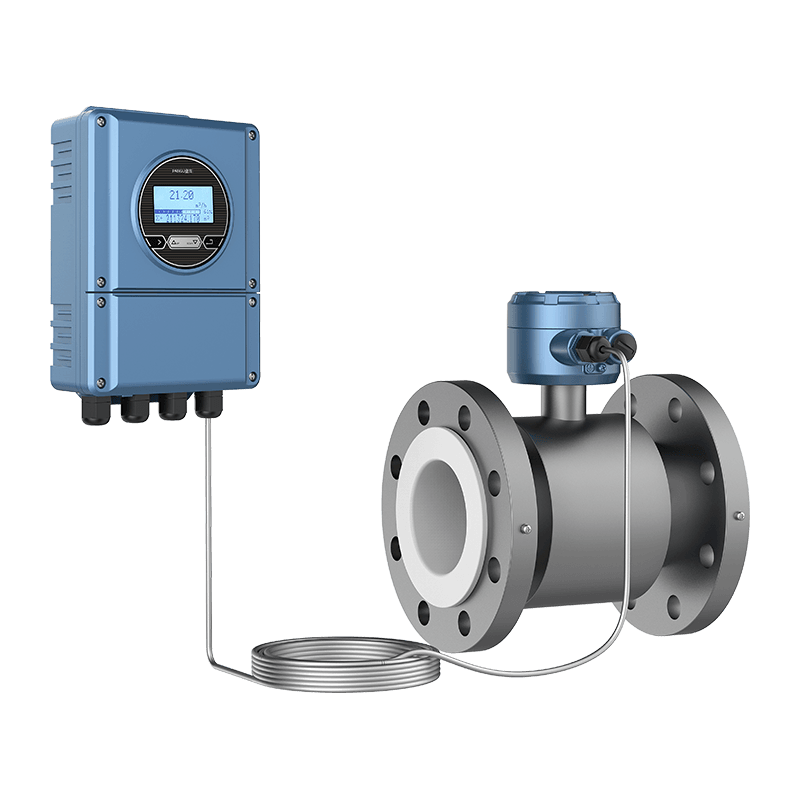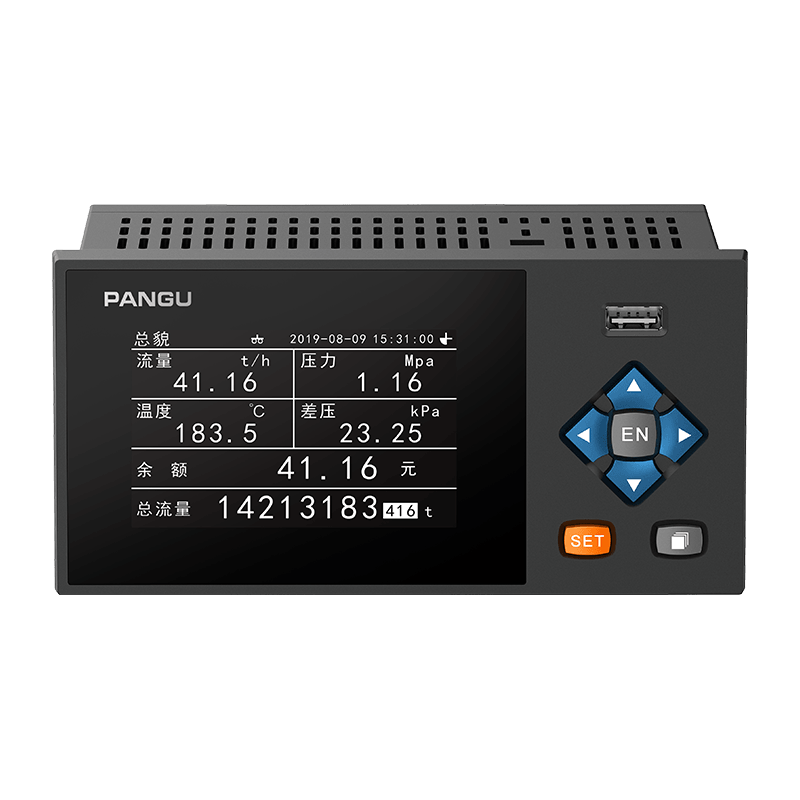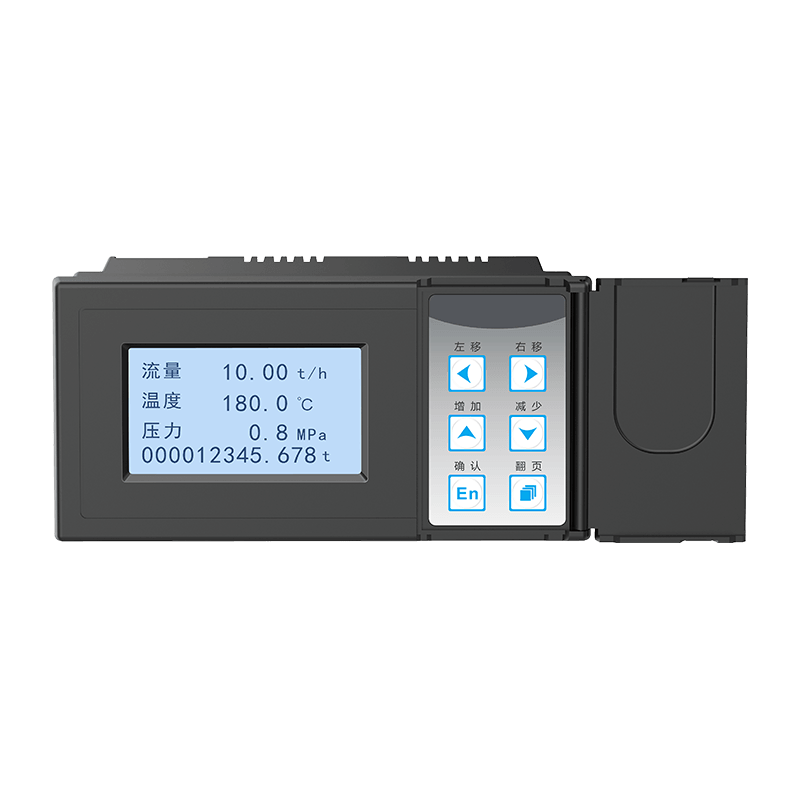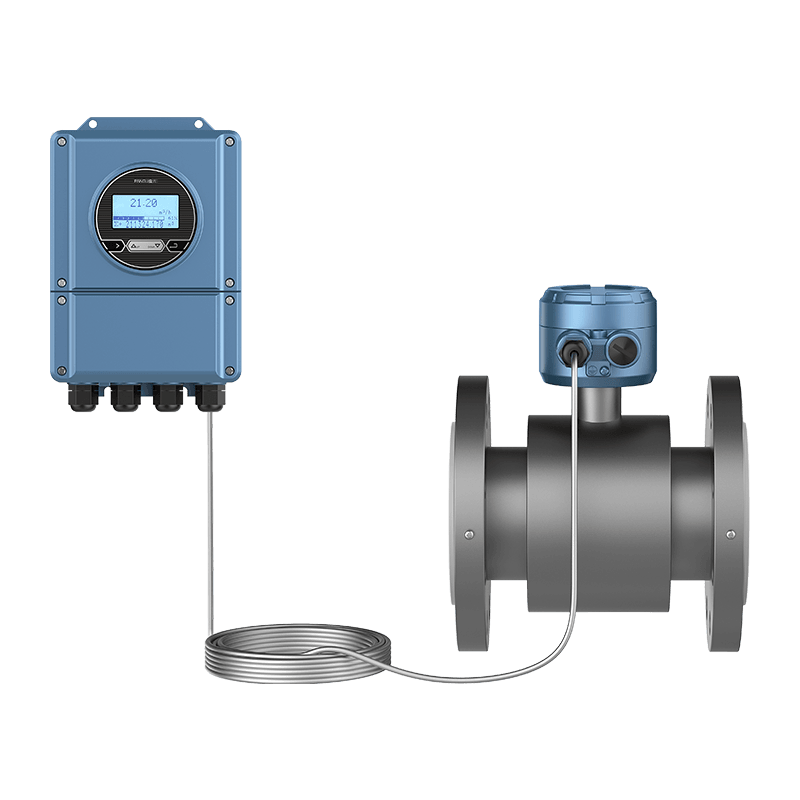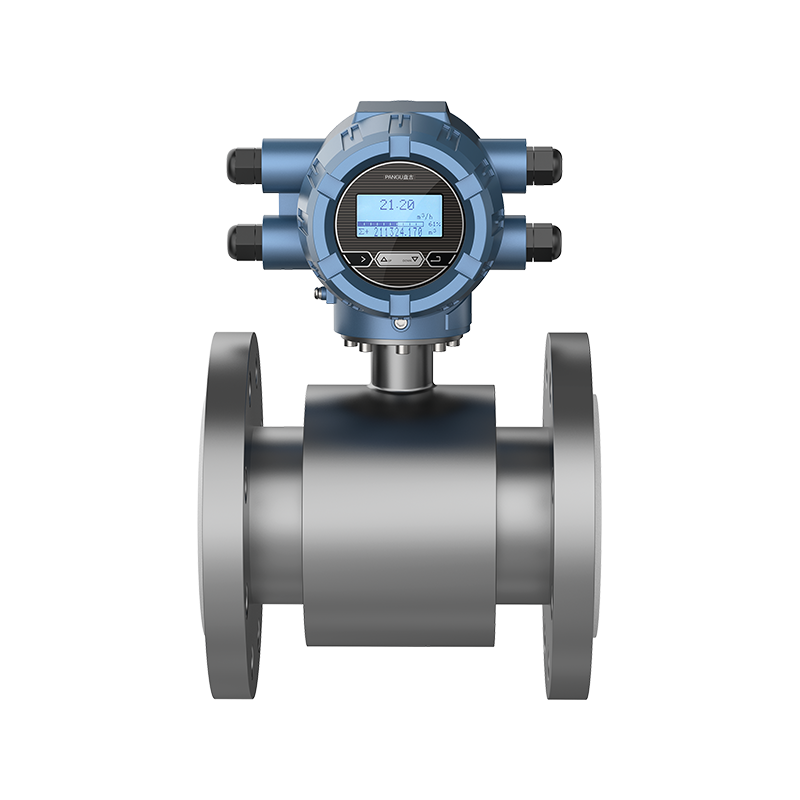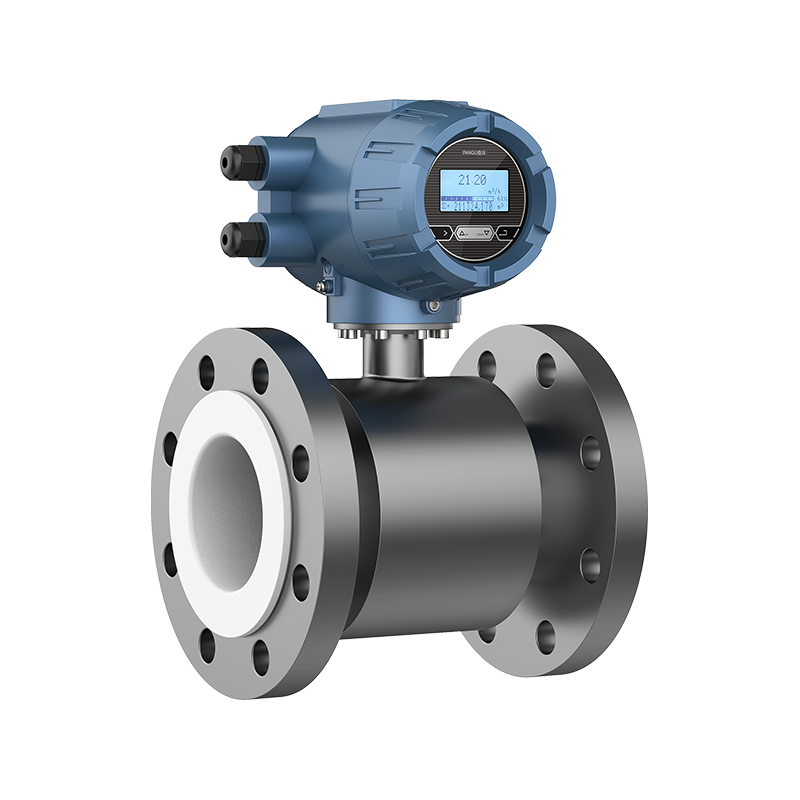
Our pulp and paper slurry flow solutions enable reliable flow measurement of pulp, fiber mixtures, and process liquids, supporting stable production and process control.
Get a Quote →Pulp and paper slurry flow measurement covers the monitoring of fiber suspensions, process water and chemical streams as they move through a mill, from stock preparation and refining to the paper machine approach flow and the recovery of white water. Accurate flow data lets operators hold stock ratios, control dosing and keep sheet quality stable from one production run to the next.
Pulp slurry is a demanding medium. Long fibers, fillers, entrained air and changing consistency can foul sensors, create electrical noise or wear liners. Suitable instruments therefore combine an unobstructed measuring path, wear-resistant wetted materials and stable signal processing, and are installed with attention to grounding, pipe orientation and cleaning access.
Plugging and Fouling
Fibers can wrap around obstructions and coat sensor surfaces, so full-bore designs with no intrusive parts are widely preferred.
Signal Noise from Fibers
Fiber and filler particles passing the electrodes can create flow noise, which good converters filter without slowing the response too much.
Abrasion and Chemical Exposure
Fillers, sand and cleaning chemicals attack liners and electrodes, so materials should be matched to the stream being measured.
Entrained Air
Air carried in the stock disturbs readings in many technologies, so installation location and de-aeration practice both matter.
Wide Operating Range
Grade changes, start-ups and washing cycles alter the flow rate, so the meter range should cover each of these conditions.
Control System Integration
Flow signals feed stock ratio control and dosing loops, so stable analog, pulse and digital outputs are needed.
Stock flow is normally measured and controlled in a loop. A pump moves the stock, a flowmeter reports the rate and a controller adjusts a valve or pump speed to hold the target, with dilution water added where consistency needs to be corrected.
The table gives a general view of common options. Final suitability depends on stock type, line size and the accuracy that the process requires.
| Technology | Obstruction in Pipe | Handles Fibers | Air Sensitivity | Typical Mill Use |
|---|---|---|---|---|
| Electromagnetic | None | Very good | Moderate | Stock, white water, filler, chemicals |
| Coriolis mass | Tube path | Moderate | Moderate | Dosing of additives, density needs |
| Ultrasonic Doppler | None | Good at higher solids | High | Retrofit and check measurements |
| Ultrasonic transit time | None | Limited with heavy solids | High | Clean water and filtrate lines |
| Vortex | Bluff body | Limited | Moderate | Steam and clean utility lines |
For most fiber suspensions, electromagnetic flowmeters are widely selected because the open bore does not catch fibers and the signal is not affected by stock density, although the medium needs sufficient conductivity.
Fiber stock
Smooth, wear-resistant liners such as polyurethane or fluoropolymer suit most fiber stock lines, with electrodes chosen for the stock chemistry.
Filler and coating slurries
Abrasive mineral content calls for hard-wearing liners, and the choice should reflect solids content and flow velocity.
Black and green liquor
Alkaline, hot liquors require liners and seals rated for the temperature and concentration of the liquor.
Bleach plant streams
Oxidizing chemicals need electrode and liner materials with proven resistance, confirmed against the actual stream.
White water and effluent
Lower solids content and moderate chemistry allow a wider range of liner and electrode options.
Steam condensate and utilities
Clean utility lines suit standard materials, with attention to the pressure and temperature of the service.
Note: Provide stream name, temperature, solids content and cleaning agents when asking for a material recommendation, since each of these influences liner and electrode choice.
Pulping and Stock Preparation
Flow data from pulpers, dump chests and transfer lines records quantities and helps keep batches consistent.
Refining and Blending
Stock flow into refiners and blend chests influences fiber development, so flow signals support steady refining conditions.
Approach Flow to the Paper Machine
Stable flow into the headbox supports uniform basis weight across the sheet, making this one of the most demanding points.
Chemical Additives and Fillers
Retention aids, sizing agents and fillers are dosed in small amounts, so repeatable measurement helps control cost and quality.
White Water and Recovery
Measurement of white water, save-all and effluent flows supports water balance, fiber recovery and discharge reporting.
Stock Consistency
Higher consistency increases friction and can change flow behavior. Confirm that the meter and pump are suited to the consistency range in the line.
Entrained Gas
Air and gas bubbles lead to unstable signals. De-aeration equipment and a pipe layout that keeps the line full help reduce the effect.
Grounding Quality
Electromagnetic meters rely on good electrical contact with the fluid, so grounding rings or electrodes are important in plastic-lined or coated pipework.
Temperature and Pressure
Hot liquors and steam-out procedures require ratings that cover upset conditions, not only normal operating values.
Good Installation Practice
Issues to Watch For
Routine Inspection
Check housings, cable entries and signal trends regularly, and watch for slowly rising noise or drifting zero readings.
Electrode and Liner Care
Coating on electrodes can affect signal quality. Clean as advised in the manual, and inspect liners for wear during shutdowns.
Verification
Verification against a reference or built-in diagnostic tools shows whether the meter and converter still meet the expected performance.
Spare Parts Planning
Stocking converter boards, cables and seals for key lines shortens downtime when a replacement is needed.
Stream description: stock type, consistency, solids content, temperature, pressure and conductivity.
Wetted materials: liner, electrode, seal and body materials confirmed in writing for the stream.
Signal handling: noise filtering features, damping settings and outputs suited to the control loop.
Installation details: pipe size, flange standard, grounding method and available straight length.
Documents and support: calibration report, material certificates, manuals and commissioning assistance.
Pulp contains fibers, fillers and air, all of which can foul sensors, generate noise and wear materials. The meter must have an open path and wear-resistant parts, and the installation should keep the pipe full and well grounded.
Electromagnetic flowmeters are widely used because the full-bore design has no parts that fibers can catch, and the reading is not affected by stock density. They need a conductive liquid, which is normally the case for pulp suspensions.
Consistency changes friction and flow behavior and can increase signal noise. A converter with suitable filtering handles this, and the stock range should be shared with the supplier when selecting a meter.
Air bubbles reduce the effective volume of liquid and can make readings unstable. Installing the meter where the line stays full, de-aerating the stock upstream and avoiding high points all help.
Hard-wearing options such as polyurethane or ceramic-type liners are often used for abrasive slurries. The best choice depends on solids content, particle hardness and flow velocity, so share these details with the supplier.
The meter measures a small voltage generated in the fluid, so poor electrical contact can create unstable readings. Grounding rings or electrodes are used in plastic-lined or coated pipes to give a reliable reference.
It can if the flow range covers both conditions and the materials tolerate the cleaning agents and temperature. Confirm the washing procedure with the supplier before relying on a single instrument.
Keep it away from pump outlets, partly closed valves and sharp bends that disturb the flow profile. Follow the straight length advice in the installation manual, and prefer a vertical section with upward flow.
Routine checks of readings and diagnostics are usually done frequently, while physical inspection of liners and electrodes is often planned for mill shutdowns. Lines with heavy fouling may need shorter intervals.
Provide the stream name, consistency, solids and fiber type, temperature, pressure, line size, flow range, cleaning chemicals, grounding conditions and required output signals. Photos of the installation point also help.

Hangzhou Pangu Automation System Co., Ltd. is professional China wholesale Pulp and Paper Slurry Flow manufacturers and Pulp and Paper Slurry Flow suppliers, with strict quality control and years of industrial application experience.
 Aging Chamber
 High-Speed Chip Mounter
 Glue Dispensing Machine
 Potting Process
 Quality Management System Certification
 Environmental Management System Certification
 CE Certificate
 SIL Certificate
Yes. Send us your requirements and we will propose a solution.
Standard models ship quickly; custom orders depend on quantity.
Tell us your requirements and our engineers will reply promptly.
✉pangusales@vip.163.com
☎+86 13967196545
⚑602-702, Block D, Building 3, Area B,Xigang New Territories, 206 Zhenhua Road,Hangzhou City, Zhejiang Province, China