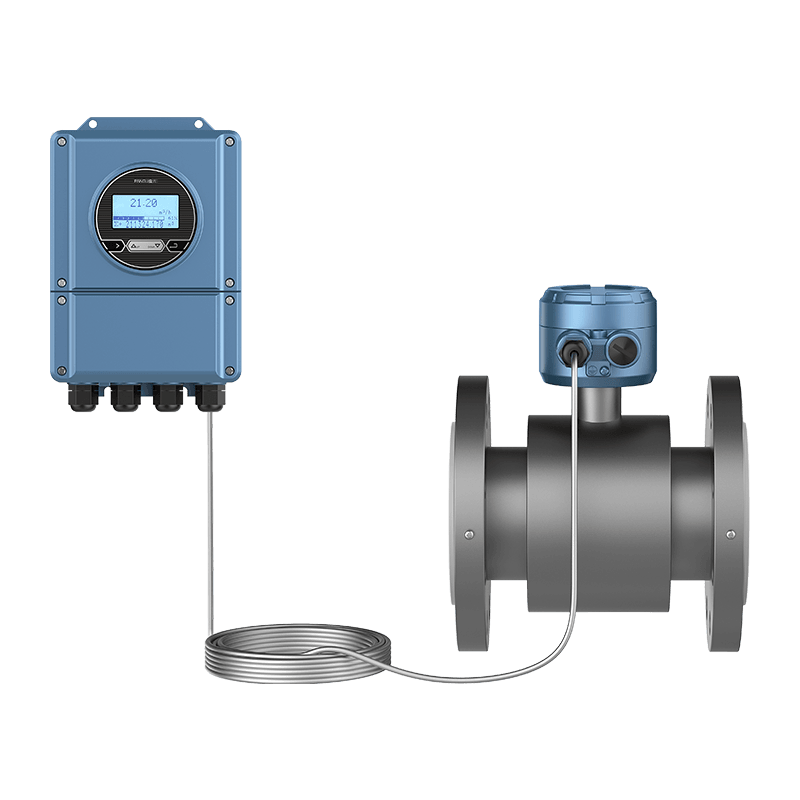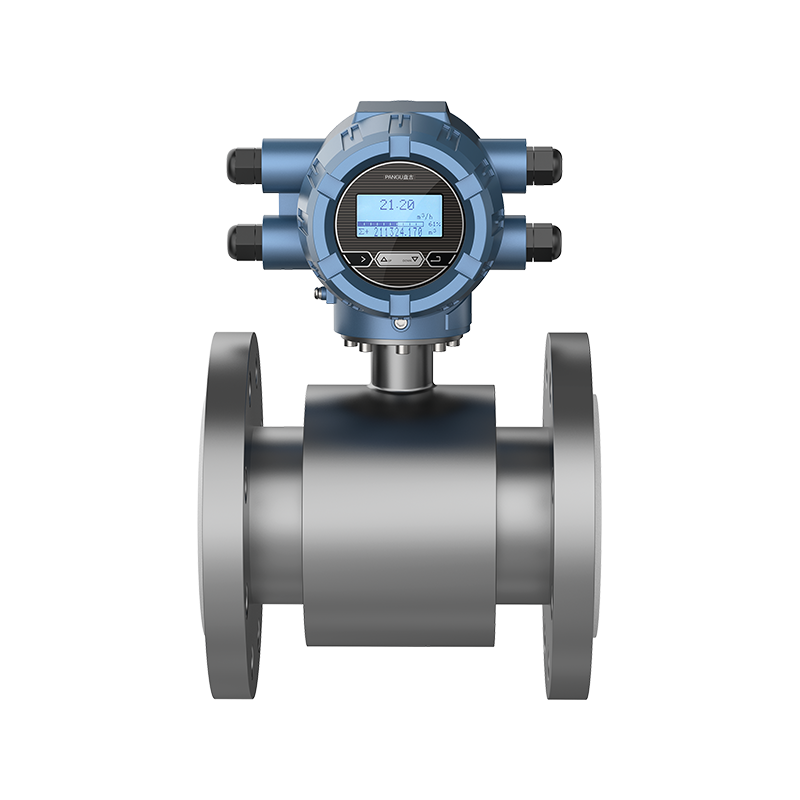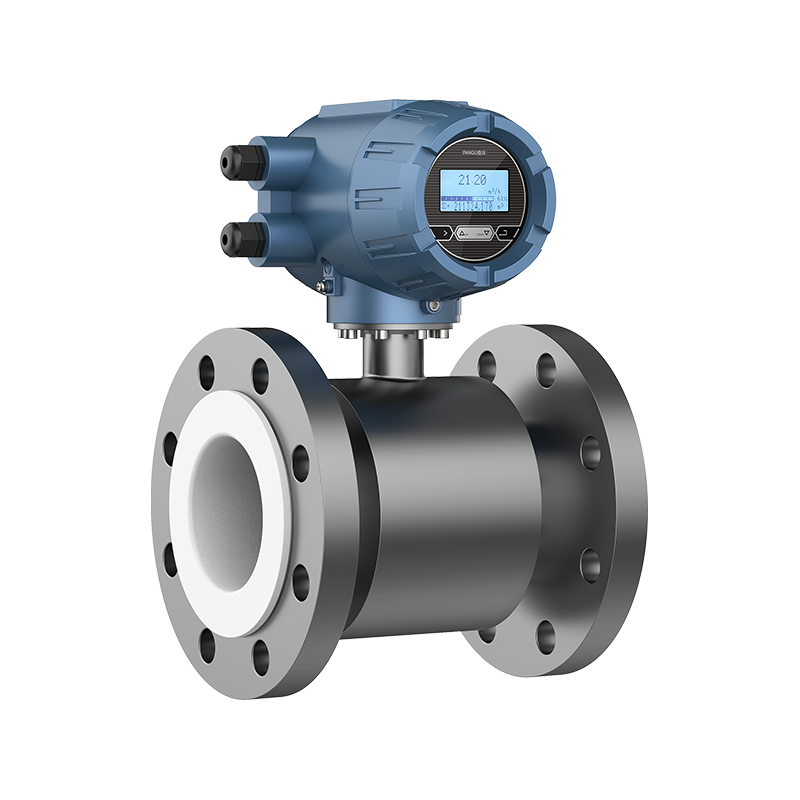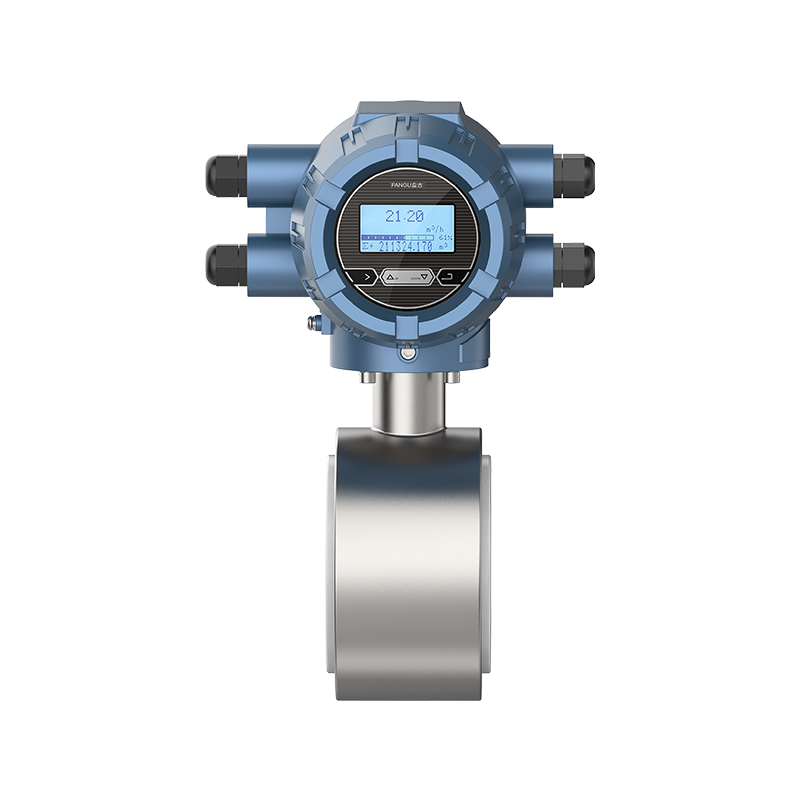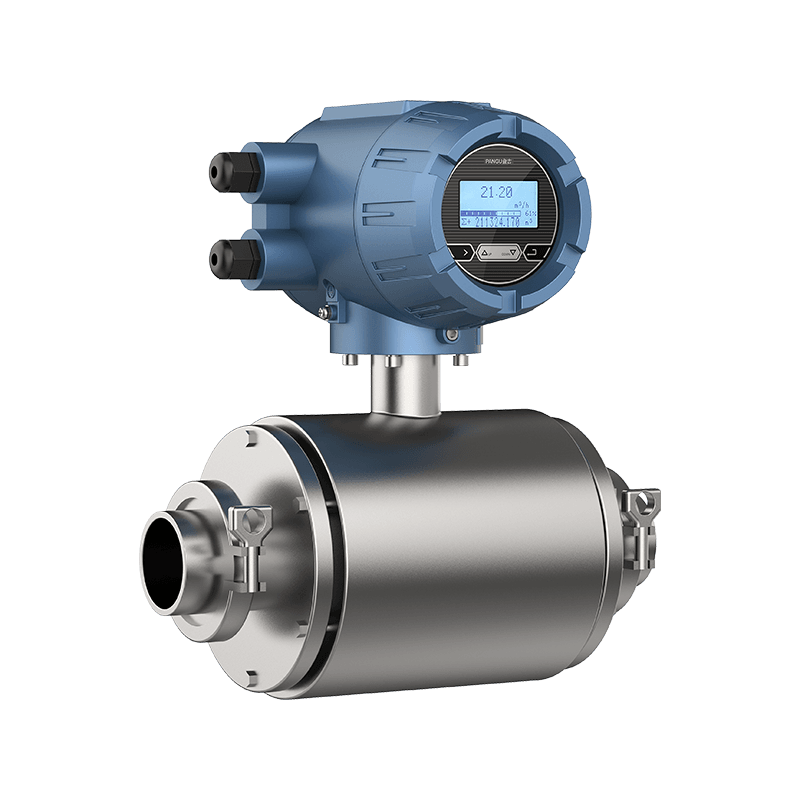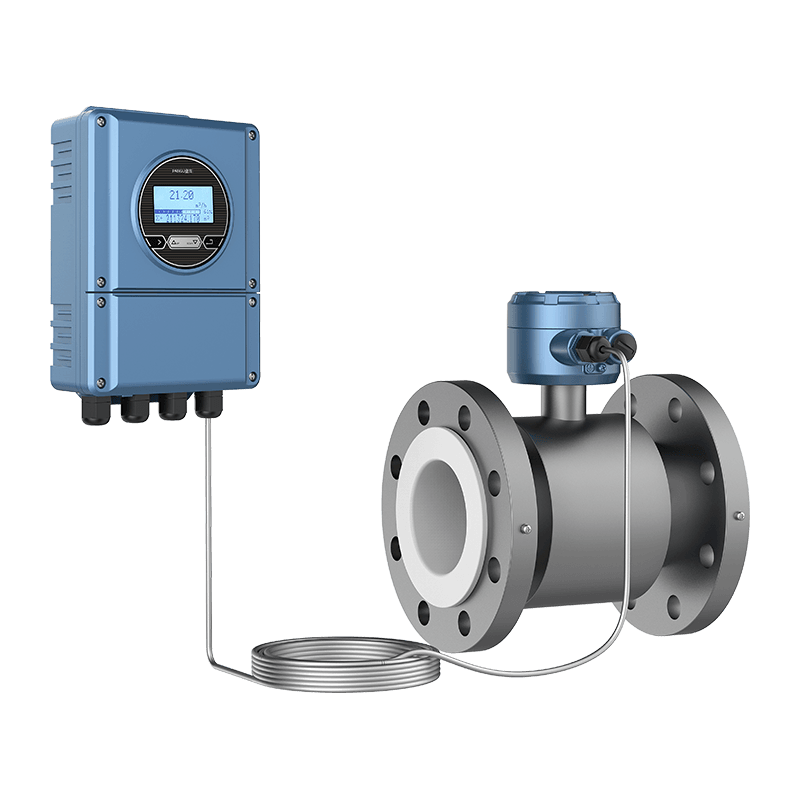
Flow measurement solutions in the chemical industry support the monitoring and control of liquid and chemical media throughout production processes. They are used to measure flow rates in chemical dosing, raw material transfer, mixing, processing, and liquid transportation systems. Selecting suitable flow measurement equipment according to media properties, operating conditions, and process requirements helps maintain consistent production operations and improve process monitoring.
Get a Quote →Chemical industry flow solutions cover the measurement, monitoring and control of liquids and gases as they move through reactors, transfer lines, dosing skids and storage systems. The goal is to record how much material enters and leaves each process step, so that formulations stay consistent, inventories stay traceable and operating conditions stay within safe limits.
Chemical media place demands that ordinary water metering does not. Fluids can be corrosive, abrasive, viscous, volatile or electrically non-conductive, and plants often operate in hazardous areas. Suitable solutions therefore combine the right measuring principle with compatible wetted materials, appropriate pressure and temperature ratings and clear output signals for batching and control systems.
Chemical Compatibility
Every wetted part, including liner, electrodes, seals and body, must resist the process fluid at its operating concentration and temperature.
Repeatable Batch Control
Recipe-based production depends on consistent dosing quantities, so response time and repeatability matter as much as nominal accuracy.
Hazardous Area Suitability
Plants handling flammable media need equipment with recognized explosion protection ratings for the classified zone where it will be installed.
Wide Rangeability
Start-up, normal production and cleaning cycles run at different flow rates, so the device should stay usable across the whole range.
Control System Integration
Analog, pulse, digital and fieldbus outputs allow flow data to feed PLC, DCS and batching controllers without extra signal converters.
Leak-Tight Construction
Secure flange connections, sealed housings and suitable pressure ratings reduce the risk of emissions and unplanned shutdowns.
Many chemical processes use a closed loop in which a flow signal drives a pump or control valve. The diagram below shows the usual path from storage to the reaction vessel.
Each principle has strengths and limits. The comparison below is general guidance, and a supplier should confirm suitability for the specific fluid.
| Technology | Fluid Requirement | Measures | Pressure Loss | Typical Chemical Use |
|---|---|---|---|---|
| Electromagnetic | Conductive liquid | Volume | Very low | Acids, alkalis, slurries, brines |
| Coriolis mass | Liquid or gas | Mass and density | Moderate | Dosing, custody transfer, blending |
| Vortex | Clean low-viscosity fluid | Volume | Moderate | Steam, solvents, gases |
| Ultrasonic clamp-on | Homogeneous liquid | Volume | None | Retrofit and temporary checks |
| Variable area | Clean liquid or gas | Volume | Low | Local indication, purge and sampling lines |
| Positive displacement | Lubricating viscous liquid | Volume | Higher | Oils, resins, viscous additives |
Non-conductive solvents and hydrocarbons are outside the scope of conventional electromagnetic meters, so mass or vortex principles are usually considered for them instead.
Strong acids
Fluoropolymer liners and corrosion-resistant electrode metals such as tantalum or titanium are commonly specified, depending on the acid type and concentration.
Caustic and alkaline fluids
Fluoropolymer and some elastomer liners resist alkalis, while electrode materials are selected for temperature and concentration limits.
Abrasive slurries
Wear-resistant liners such as polyurethane or ceramic-type options help extend service life where solids content is high.
Solvents and hydrocarbons
Seal and liner compatibility is critical. Metallic wetted parts with suitable seals are used in many solvent lines.
Chlorinated and oxidizing fluids
Select materials with proven resistance to oxidizing agents, and confirm limits for temperature and concentration with the manufacturer.
High-purity fluids
Smooth wetted surfaces and low-extractable materials help prevent contamination in fine chemical and specialty applications.
Note: Material suitability depends on concentration, temperature and the presence of impurities. Always provide a full fluid description when requesting a recommendation.
Raw Material Receiving and Storage
Transfer measurement from tankers or drums records received quantity and supports inventory reconciliation.
Dosing and Blending
Accurate ratio control of two or more streams keeps product composition within the target specification.
Reaction and Process Utilities
Feed rates, cooling water, steam and heat transfer fluids influence reaction conditions and energy use.
Filtration, Separation and Transfer
Flow data helps detect clogging, balance parallel trains and protect downstream equipment.
Effluent and Waste Handling
Neutralization dosing and discharge metering support environmental reporting and permit compliance.
Explosion Protection
In classified zones, transmitters and sensors should carry a recognized protection type matching the zone and gas group. Intrinsically safe or flameproof enclosures are common choices, and certificates should be requested with the order.
Pressure and Temperature Limits
The rating of the flange, liner and housing must cover maximum process pressure and temperature, including upset conditions and cleaning cycles such as steam-out.
Containment and Leak Control
For toxic or hazardous fluids, double sealing, secondary containment connections and carefully selected gaskets add protection against leakage.
Grounding and Static Control
Proper grounding of piping and instruments protects measurement signals and reduces the risk of static discharge in flammable service.
Good Installation Practice
Issues to Watch For
Scheduled Inspection
Check enclosures, cable entries and display alarms on a routine plan, and review any trend of drifting zero readings.
Cleaning and Flushing
Deposits and crystallization can coat sensors. Flush or clean according to the manual and the compatibility of cleaning agents.
Calibration and Verification
Periodic verification against a reference supports quality systems and detects wear or coating before it affects batch quality.
Spare Parts Planning
Stocking seals, gaskets and converter boards for critical lines shortens repair time during planned shutdowns.
Fluid data sheet: name, concentration, temperature, pressure, viscosity, conductivity and solids content.
Wetted material confirmation: written declaration of liner, electrode, seal and body materials.
Certification needs: hazardous area approvals, pressure equipment compliance and material test reports where specified.
Calibration documents: factory calibration report and, if required, witnessed or third-party calibration.
Delivery and support: packing for liners and sensors, lead time, spare parts and commissioning assistance.
Chemical media can be corrosive, abrasive, flammable or non-conductive, and processes often run at high temperature or pressure. These factors affect material choice, enclosure rating and measuring principle, so water-type selection rules cannot be applied directly.
Electromagnetic flowmeters with fluoropolymer liners and corrosion-resistant electrodes are widely used for conductive acids and alkalis. Mass flow meters with suitable wetted metals are another option when mass or density data is needed.
Most organic solvents have very low conductivity, which falls below the requirement of conventional electromagnetic meters. Vortex, mass or other principles are normally used for these fluids.
Start with the exact fluid, its concentration and the maximum temperature. Then compare these data with the compatibility information provided by the manufacturer. If the fluid is a mixture or contains impurities, share the full composition for review.
Volume measurement is adequate when density is stable and recipes are based on volume. Mass measurement is preferred when density changes with temperature or concentration, or when recipes are defined by weight.
Equipment must carry an approval that matches the zone classification, gas group and temperature class of the site. Wiring, cable glands and barriers also have to follow the applicable code, and certificates should be reviewed before purchase.
It can if the materials tolerate the cleaning agents and temperatures, and if the flow range covers both conditions. Check steam-out and caustic wash limits with the supplier before relying on a single instrument.
Gas bubbles can cause unstable or low readings in many technologies. Installing the meter where the pipe stays full, venting trapped gas and avoiding locations just after pumps or valves all help to reduce the problem.
Provide the fluid name and concentration, line size, flow range, operating pressure and temperature, connection standard, hazardous area requirement, power supply and output signals. Drawings or photographs of the installation point are also useful.
Intervals depend on process criticality, quality system rules and the behavior of the fluid. Lines with scaling or coating tendencies usually need more frequent checks than clean, stable services.

Hangzhou Pangu Automation System Co., Ltd. is professional China wholesale Chemical Industry Flow Solutions manufacturers and Chemical Industry Flow Solutions suppliers, with strict quality control and years of industrial application experience.
 Aging Chamber
 High-Speed Chip Mounter
 Glue Dispensing Machine
 Potting Process
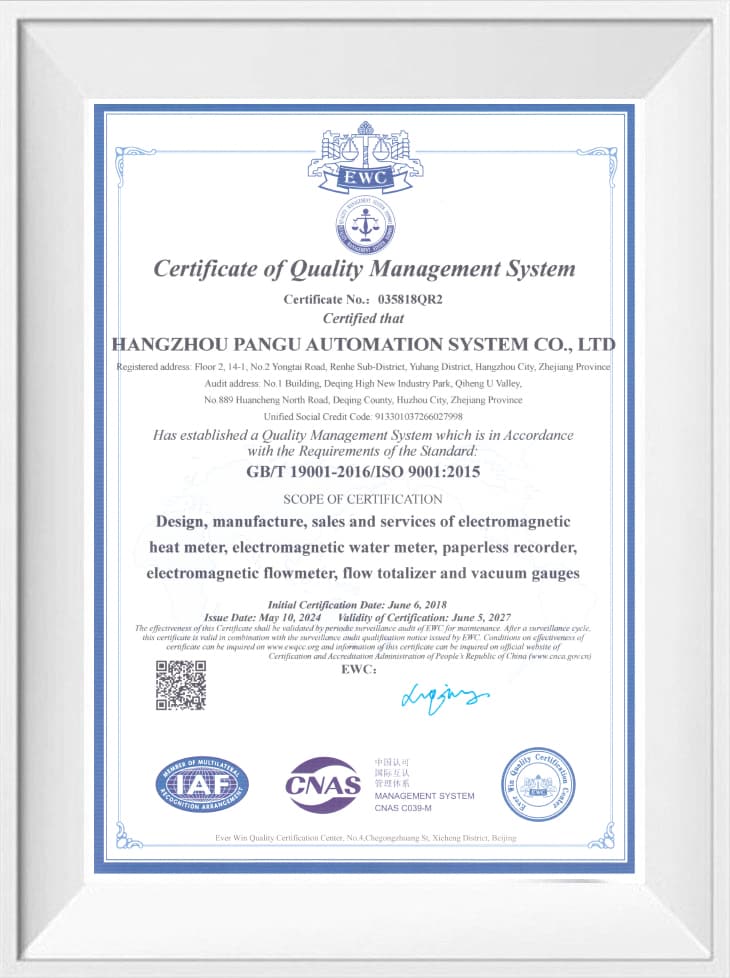 Quality Management System Certification
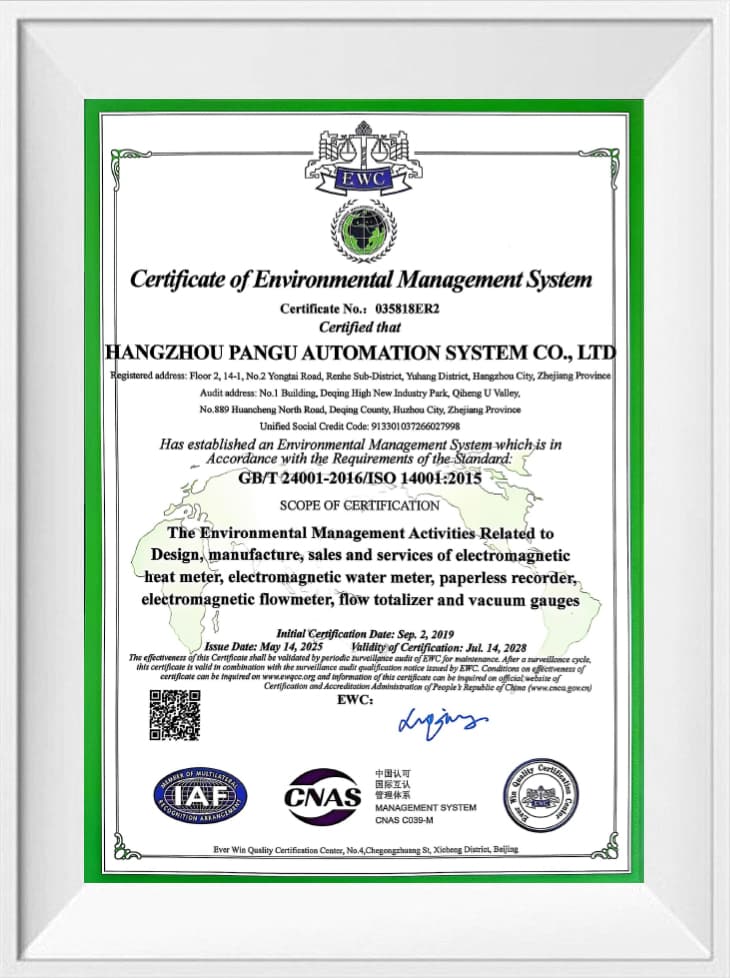 Environmental Management System Certification
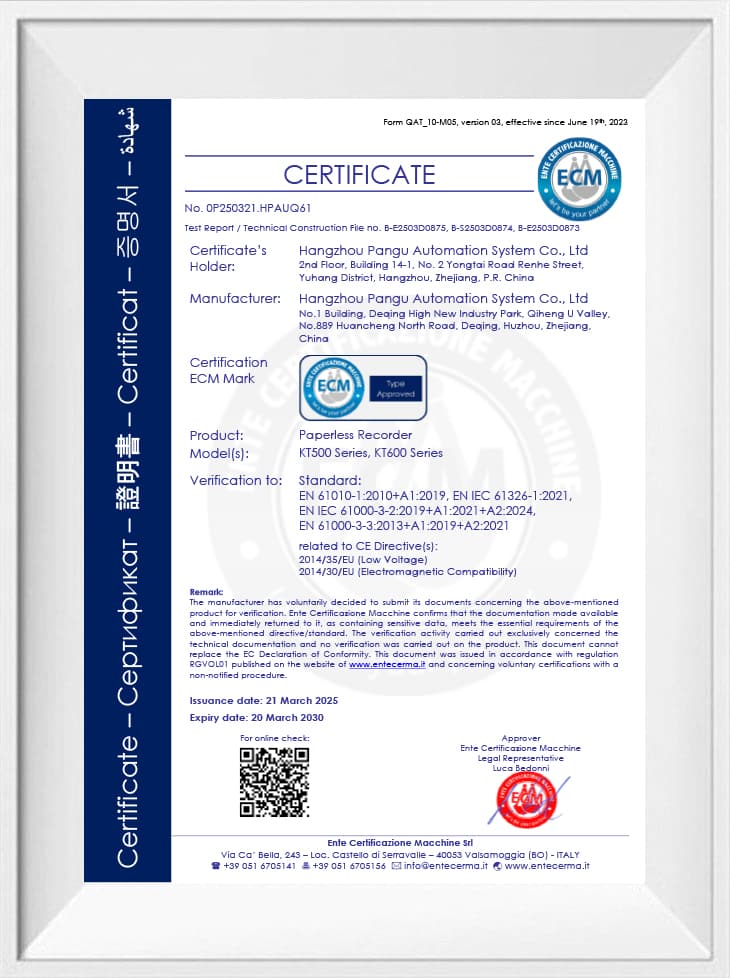 CE Certificate
 SIL Certificate
Yes. Send us your requirements and we will propose a solution.
Standard models ship quickly; custom orders depend on quantity.
Tell us your requirements and our engineers will reply promptly.
✉pangusales@vip.163.com
☎+86 13967196545
⚑602-702, Block D, Building 3, Area B,Xigang New Territories, 206 Zhenhua Road,Hangzhou City, Zhejiang Province, China