INDUSTRIAL FLOW MEASUREMENT
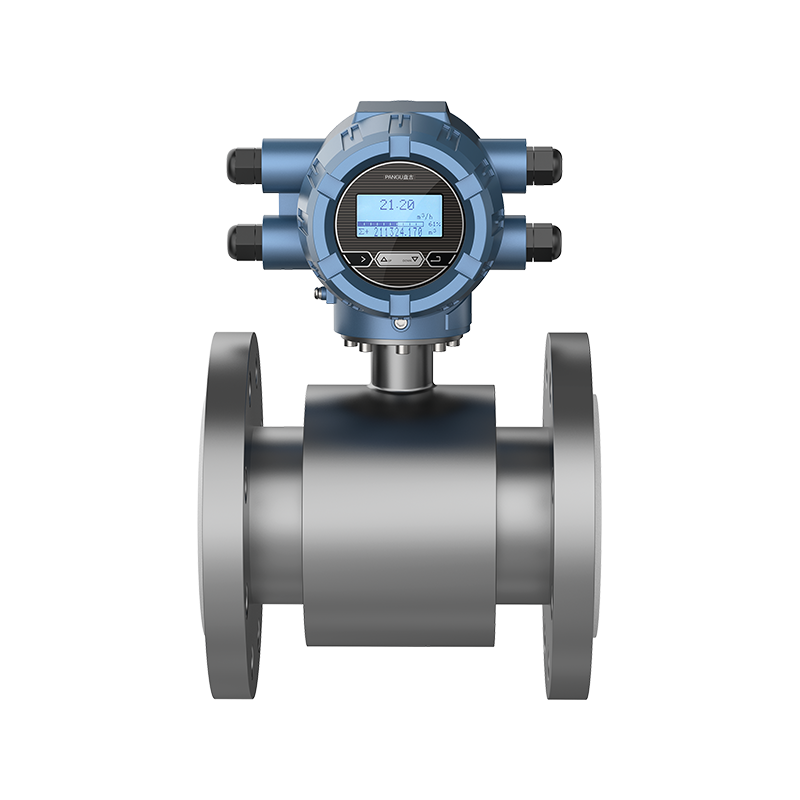
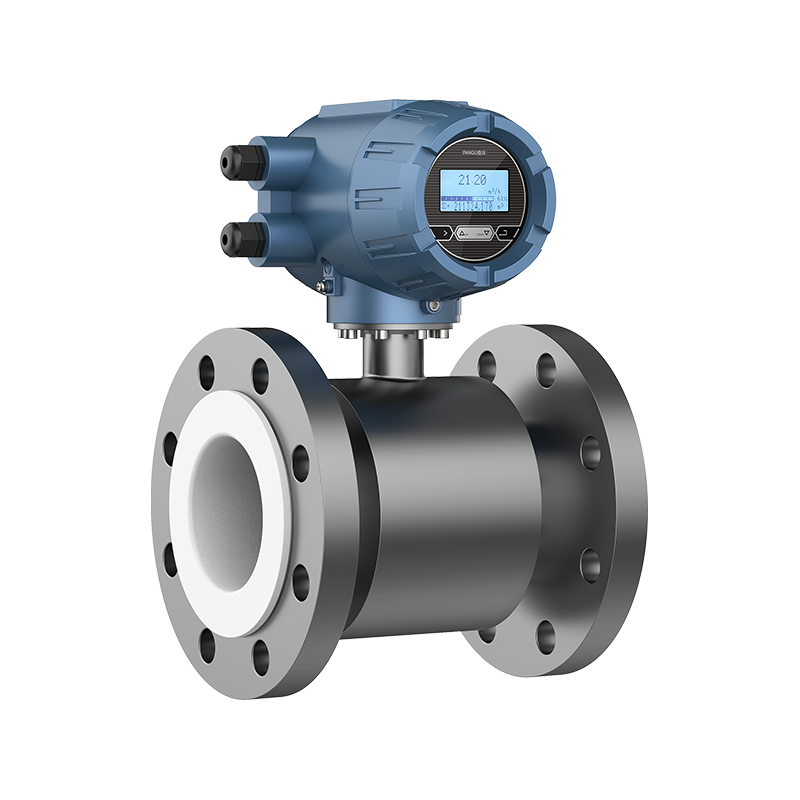
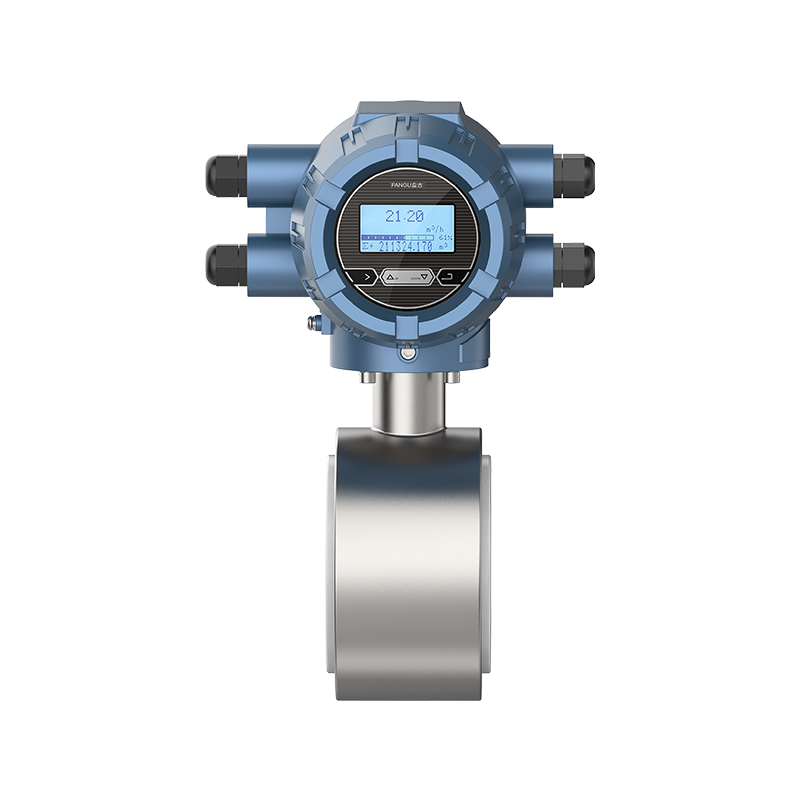
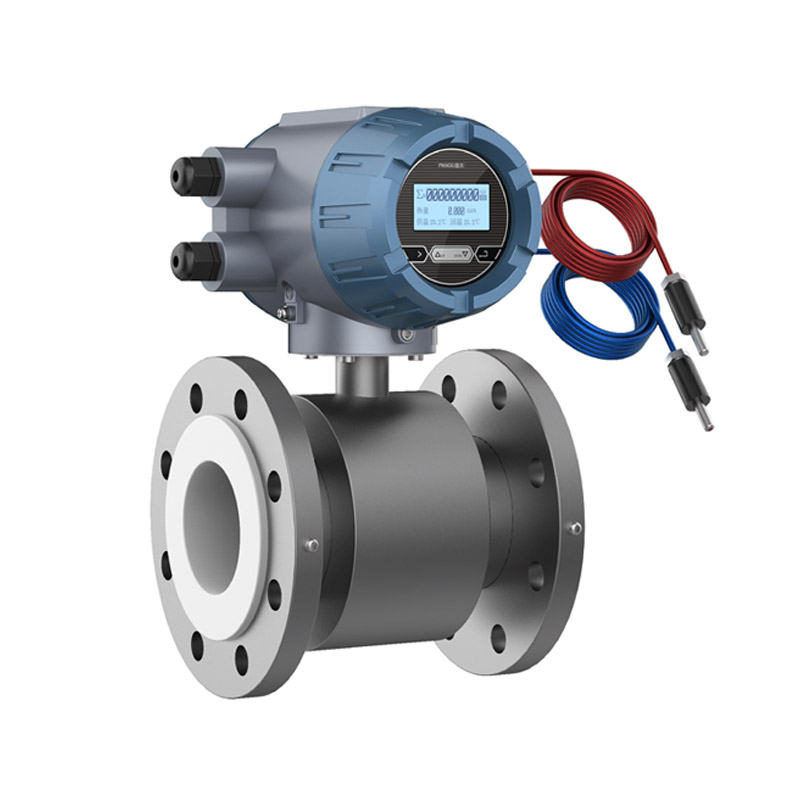
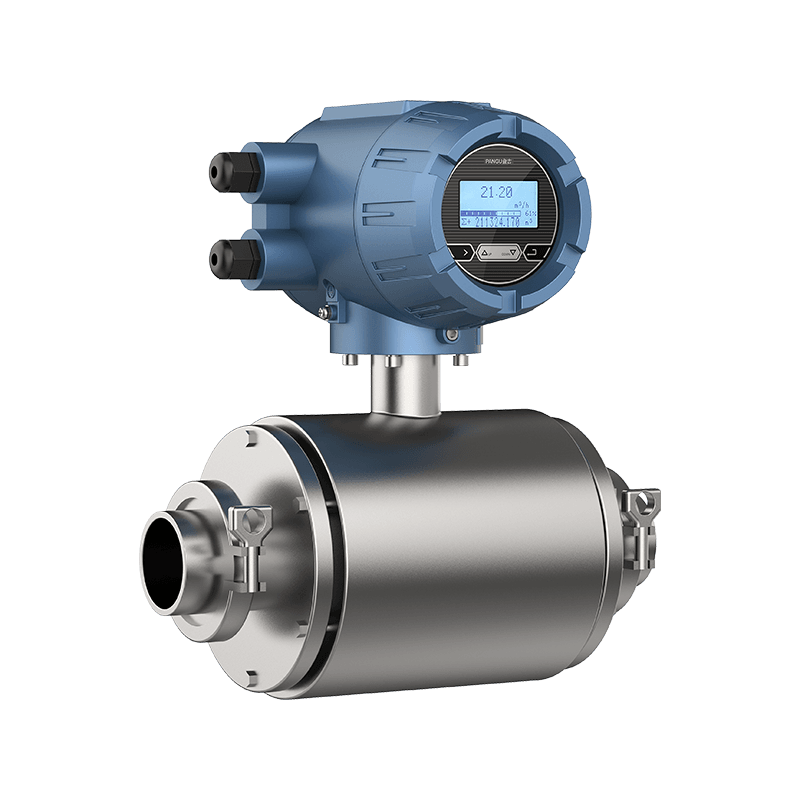
Modbus RS485 Flow Meter is an industrial flow measurement instrument equipped with an RS485 communication interface and Modbus protocol support. It enables measured flow information to be transferred to external controllers, industrial computers, and monitoring systems for centralized data collection and process supervision.
Electromagnetic flowmeters with Modbus RS485 communication are suitable for measuring conductive liquids in industrial pipelines. Depending on the selected model, available data may include instantaneous flow rate, cumulative flow, and instrument operating status. This communication configuration is useful in water treatment, chemical processing, industrial production, and automated fluid management systems.
RS485Serial Interface
ModbusData Protocol
DigitalFlow Monitoring
01 / TECHNICAL OVERVIEW
Key Features of Modbus RS485 Flow Meters
RS485 Communication Interface
Provides a serial connection for transmitting measurement information between field instruments and compatible industrial equipment.
Modbus-RTU Protocol
Supports structured data exchange with compatible PLCs, industrial computers, and monitoring devices when the protocol is configured accordingly.
Real-Time Flow Data
Allows available flow readings and accumulated measurement values to be transmitted for remote monitoring and operational records.
Industrial Automation Integration
Connects compatible flow measurement equipment with process control systems and industrial data acquisition networks.
Centralized Monitoring
Multiple compatible instruments can share a properly designed RS485 network for collecting information from different measurement points.
Flexible Instrument Configuration
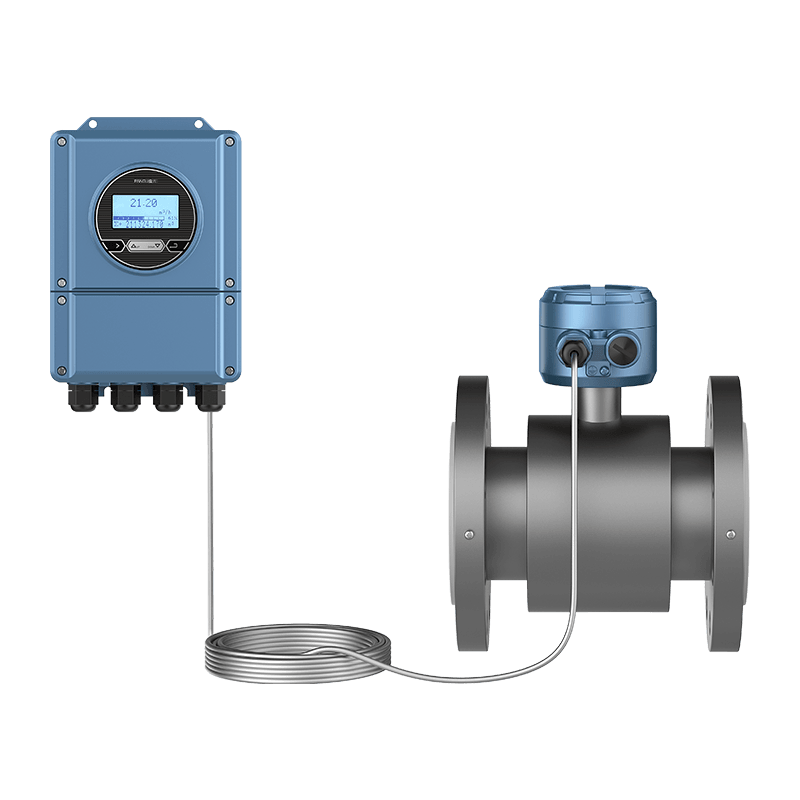
Depending on the flowmeter model, integrated or remote converter arrangements may be selected to suit different installation conditions.
02 / COMMUNICATION PRINCIPLE
How RS485 and Modbus Work in Flow Measurement Systems
RS485 defines the electrical interface for serial data transmission, while Modbus provides the protocol for exchanging information between connected devices. In a flow measurement system, the instrument measures the process medium and makes available measurement data accessible to a compatible host device.
01Flow SensorMeasures liquid flow.
02ConverterProcesses measurement signals.
03RS485Transmits digital data.
04Control SystemReceives flow information.
Communication configuration matters
Device addresses, baud rates, parity settings, stop bits, and register definitions must match between the flowmeter and the receiving equipment. Actual communication functions depend on the selected instrument model.
03 / SYSTEM CONFIGURATION
Modbus RS485 Communication Parameters and Compatibility
Before connecting a flowmeter to an automation network, buyers and system integrators should confirm the supported communication settings and data structure.
| Configuration Item | Selection Consideration |
|---|
| Interface | RS485 serial communication |
| Protocol | Modbus-RTU, where supported |
| Device Address | Unique configured slave address |
| Baud Rate | Model-dependent setting |
| Data Format | Parity and stop bit configuration |
| Register Map | Refer to the instrument communication manual |
PLC CompatibilityCheck whether the controller supports the required RS485 and Modbus communication mode.
Wiring ArrangementFollow terminal markings and wiring instructions for communication polarity and cable connections.
Network DesignConsider cable length, topology, termination, grounding, and electrical interference.
Data VerificationConfirm register addresses, data types, and measurement units during commissioning.
04 / MEASUREMENT PERFORMANCE
Electromagnetic Flow Measurement and Digital Data Transmission
Electromagnetic flowmeters are designed for conductive liquid measurement in industrial pipelines. Combining electromagnetic measurement with Modbus RS485 communication allows suitable instruments to provide flow information to external monitoring equipment.
The actual measuring range, accuracy, signal outputs, and available communication registers depend on the specific flowmeter model and its technical configuration.
05 / INDUSTRIAL APPLICATIONS
Industrial Applications of Modbus RS485 Flow Measurement
Modbus RS485 flowmeters are relevant to industrial installations that require liquid flow measurement and communication with centralized control equipment. Selection should consider the medium, pipeline conditions, and system integration requirements.
01Water Supply Systems
Monitors water flow in distribution pipelines, pumping stations, and industrial water supply networks.
02Wastewater Treatment
Provides flow information for wastewater collection, treatment processes, and environmental monitoring.
03Chemical Processing
Measures suitable conductive liquids in chemical production and industrial fluid transfer systems.
04HVAC Systems
Supports water circulation flow monitoring in compatible heating, cooling, and air conditioning systems.
05Metallurgical Industry
Provides process water and other suitable conductive liquid measurements in industrial production.
06Industrial Automation
Connects field measurement points with PLCs and data acquisition systems for centralized supervision.
06 / INSTALLATION AND MAINTENANCE
Installation and Maintenance Considerations for RS485 Flowmeters
Pipeline InstallationConfirm pipe diameter, flow direction, grounding, and installation position. Ensure the electromagnetic flowmeter measuring pipe remains appropriately filled with liquid during normal operation.
Electrical WiringConnect the power supply, signal terminals, and RS485 communication cables according to the instrument wiring diagram.
Communication TestingVerify the device address, serial settings, register mapping, and communication response before integrating the instrument into the complete system.
Routine InspectionInspect wiring connections, cable condition, instrument display, and communication status. Investigate abnormal readings and transmission interruptions.
07 / PURCHASING GUIDE
How to Select a Modbus RS485 Flow Meter for Industrial Projects
For industrial procurement, communication compatibility should be evaluated together with measurement conditions and installation requirements. Providing complete project information helps determine the appropriate instrument configuration.
| Selection Factor | Information to Provide |
|---|
| Measuring Medium | Liquid type, conductivity, and solids content |
| Pipeline Size | Nominal diameter and connection requirements |
| Flow Range | Minimum, normal, and maximum flow rates |
| Operating Conditions | Temperature, pressure, and installation environment |
| Communication | RS485 interface, protocol, and register requirements |
| Installation Type | Integrated or split converter configuration |
Information for B2B quotation requests
Buyers can provide the required quantity, pipeline specifications, medium characteristics, operating conditions, flow range, installation type, and host system communication requirements. These details help evaluate product suitability and technical compatibility before ordering.
08 / FREQUENTLY ASKED QUESTIONS
Frequently Asked Questions About Modbus RS485 Flow Meters
Q1: What is a Modbus RS485 flow meter?
It is a flow measurement instrument with an RS485 serial interface and Modbus protocol support, allowing measurement data to be exchanged with compatible industrial equipment.
Q2: What is the difference between RS485 and Modbus?
RS485 defines the electrical characteristics of serial communication, while Modbus defines the protocol used for data exchange between connected devices.
Q3: Can an RS485 flowmeter connect to a PLC?
Yes, if the PLC or its communication module supports the corresponding RS485 and Modbus configuration. Both devices must use compatible communication parameters and register definitions.
Q4: What information can the flowmeter transmit?
Depending on the model, available information may include instantaneous flow rate, accumulated flow, and instrument operating status. Refer to the communication manual for supported registers.
Q5: Can multiple flowmeters share one RS485 network?
Yes. Multiple compatible instruments can share a properly designed RS485 bus when each device has a unique address and the network follows applicable wiring and communication requirements.
Q6: What should be checked when communication fails?
Check power supply, A and B terminal polarity, device address, baud rate, parity, stop bits, and register settings. Cable interference and incorrect network termination may also affect communication.
Q7: Are all electromagnetic flowmeters equipped with Modbus RS485?
No. Communication interfaces and protocols vary by model and configuration. Confirm RS485 and Modbus support with the manufacturer before purchasing.
Q8: What information is required for flowmeter selection?
Important details include the liquid type, pipeline diameter, flow range, temperature, pressure, installation arrangement, and communication requirements.