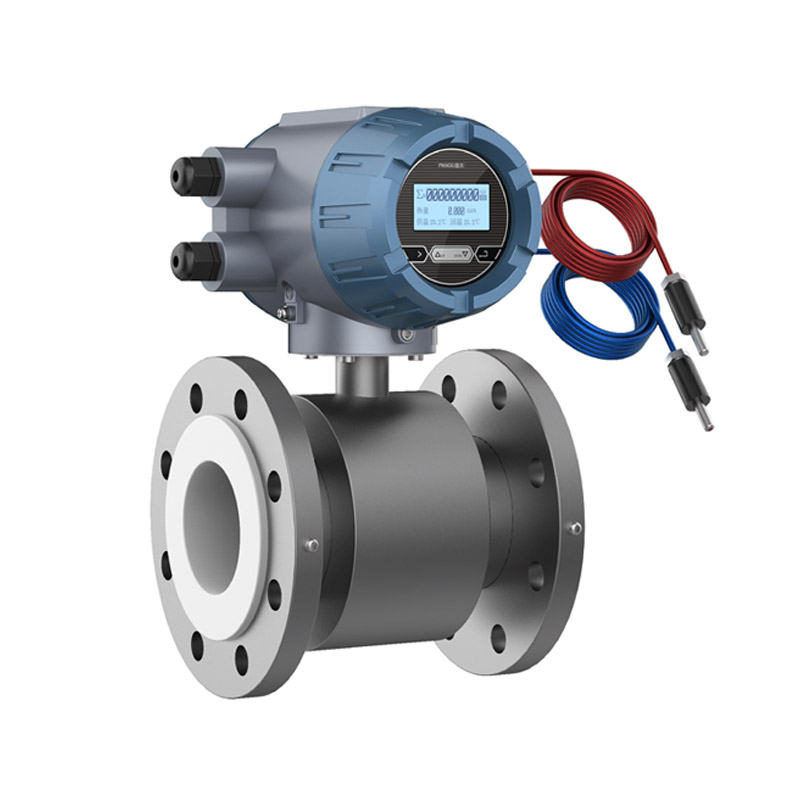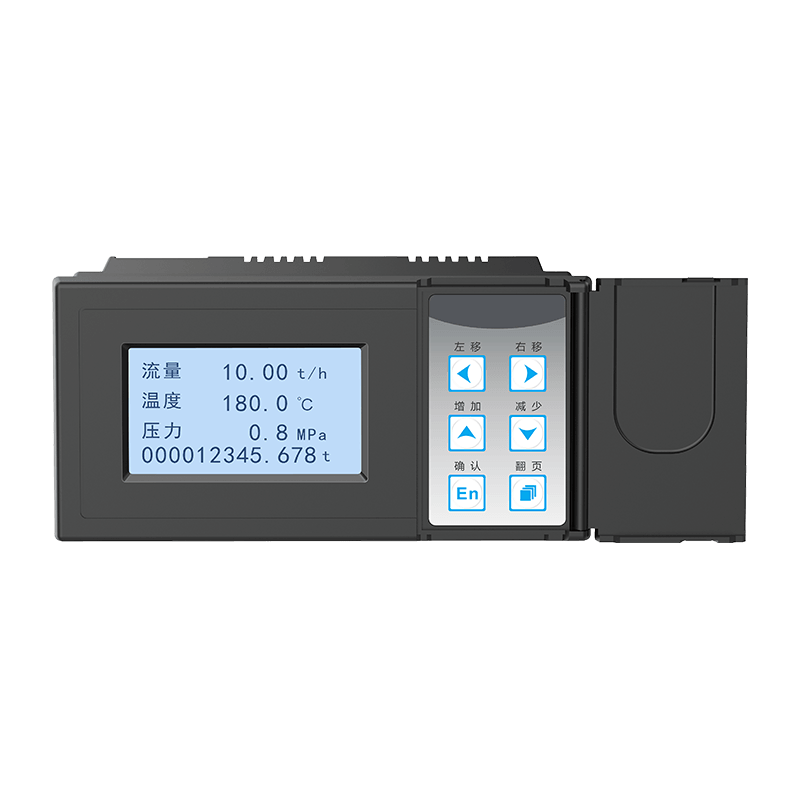
Our HVAC energy metering solutions provide reliable flow measurement and energy monitoring to support efficient heating, cooling, and building energy management.
Get a Quote →HVAC energy metering is the measurement of thermal energy carried by water or a water-glycol mixture in heating, chilled water and condenser water circuits. A metering set normally combines a flow sensor, a pair of temperature sensors and a calculator, which together record how much heating or cooling energy a building, floor or tenant actually consumes.
Reliable thermal energy data supports fair cost allocation, system performance checks and energy management programs. It also helps facility teams find circuits that run with a poor temperature difference, a common cause of wasted pumping and chiller energy. This page covers how the metering set works, which flow technologies are used, where meters are installed and what buyers should confirm before ordering.
Heating and Cooling Energy Totalizing
The calculator accumulates thermal energy over time for either heating, cooling or both, depending on the meter configuration.
Paired Temperature Sensing
Supply and return sensors are matched to one another so that small temperature differences are still resolved with usable precision.
Low-Flow Sensitivity
Part-load operation is common in HVAC, so a good sensor keeps measuring at the low flow rates that occur during mild weather.
Remote Reading Interfaces
M-Bus, Modbus, pulse and analog outputs let meters report to building management or billing platforms without manual readings.
Billing-Grade Records
Event logs, stored monthly values and tamper protection help meters meet the record-keeping needs of shared cost allocation.
System Diagnostics
Trend data on flow, temperature difference and energy reveals oversized pumps, leaking valves and poorly balanced circuits.
A complete set is installed on one hydronic loop. The flow sensor and one temperature sensor are placed on the same pipe, and the second temperature sensor is mounted on the opposite pipe, so that the calculator sees both the flow and the temperature drop or rise across the load.
In compact meters the calculator is mounted on the flow sensor, while remote versions place it on a wall or panel, which is useful when the pipe is hot, hard to reach or exposed to vibration.
The table gives a general overview. The best option depends on pipe size, water quality and the available space.
| Sensor Type | Moving Parts | Water Quality Sensitivity | Low-Flow Behavior | Typical HVAC Use |
|---|---|---|---|---|
| Ultrasonic | None | Low | Very good | Heating and chilled water, building meters |
| Electromagnetic | None | Low | Good | Larger pipes, central plant |
| Multi-jet mechanical | Impeller | High | Moderate | Small pipes, clean closed loops |
| Woltman style mechanical | Rotor | High | Limited | Larger lines with steady flow |
| Vortex | None | Moderate | Limited | Larger pipes with stable flow |
Because closed hydronic loops can contain rust, glycol and trapped air, many projects favor sensors with no moving parts, which are less affected by deposits and need fewer service visits.
Main meters at the plant outlet or building entry record energy bought or produced, and form the basis of supply contracts.
Sub-meters on each tenant branch allocate shared heating and cooling costs according to measured use rather than floor area.
Metering at each plant item supports efficiency tracking and helps decide how many units should run at a given load.
Meters on air handler coils verify capacity and help detect fouled coils or stuck control valves.
Large sites with many buildings use metering to compare consumption across blocks and prioritize energy saving work.
Cooling energy data supports capacity planning and shows how efficiently heat is being removed from critical loads.
Recommended Practice
Frequent Installation Faults
Automatic Meter Reading
Wired or wireless networks gather readings from many meters and remove the need for visits to each plant room or tenant space.
Billing Platform Integration
Standard communication protocols let energy data flow into allocation software, which produces tenant statements and internal reports.
Stored Values and Event Logs
Monthly stored totals, error codes and power-down events create a record that can be reviewed in case of a billing query.
Local Approval Requirements
Where energy is used for billing, regional rules may require approved meters and periodic re-verification, so confirm local requirements early.
Loop data: pipe size, design flow, temperature range, fluid type and operating pressure.
Meter configuration: compact or split type, sensor length, cable length and connection standard.
Interface and power: communication protocol, pulse value and battery or mains supply.
Documents: calibration certificate, conformity documents and user manual in the required language.
Service life and support: expected battery life, spare parts supply and technical assistance during commissioning.
Tip: A short sketch of the pipe layout, with the supply and return positions marked, helps a supplier confirm the correct sensor mounting and configuration before shipment.
It measures the flow of water through a circuit and the temperature difference between the supply and return pipes. The calculator combines these readings over time to report the heating or cooling energy delivered to the load.
Either position can work, but the meter must be set up for the chosen side because water density and temperature differ slightly. Follow the manufacturer instructions and make sure the calculator configuration matches the installation.
Many calculators support combined heating and cooling measurement and store the two energy types in separate registers. Confirm this feature in advance if the circuit changes between modes during the year.
Yes. Glycol changes heat transfer properties of the fluid, so the meter needs the correct fluid setting. Provide the type and concentration when ordering so the supplier can configure the calculator properly.
They have no moving parts, create little pressure loss and keep good sensitivity at low flow. These traits suit closed hydronic loops where part-load operation is frequent and long service intervals are desired.
Air bubbles can cause unstable or missing flow readings, especially with ultrasonic technology. Installing the sensor away from high points, venting the system and using air separators help reduce this problem.
Meters are usually connected through a wired bus or wireless network to a data collector, which forwards readings to a building management or billing system. Select the protocol based on cabling distance and the number of meters.
Battery life depends on the model, communication activity and ambient conditions. Ask the supplier for the expected service life under your intended reading interval, and plan replacement at the scheduled verification date.
Requirements differ by region and contract. Some jurisdictions set a fixed re-verification or replacement cycle for billing meters, so check the applicable rules before purchase and keep the calibration records.
Share the pipe diameter, design flow, fluid type, temperature range, pressure, communication needs and power supply preference. A brief description of the building system also helps the supplier suggest a suitable meter set.

Hangzhou Pangu Automation System Co., Ltd. is professional China wholesale HVAC Energy Metering manufacturers and HVAC Energy Metering suppliers, with strict quality control and years of industrial application experience.
 Aging Chamber
 High-Speed Chip Mounter
 Glue Dispensing Machine
 Potting Process
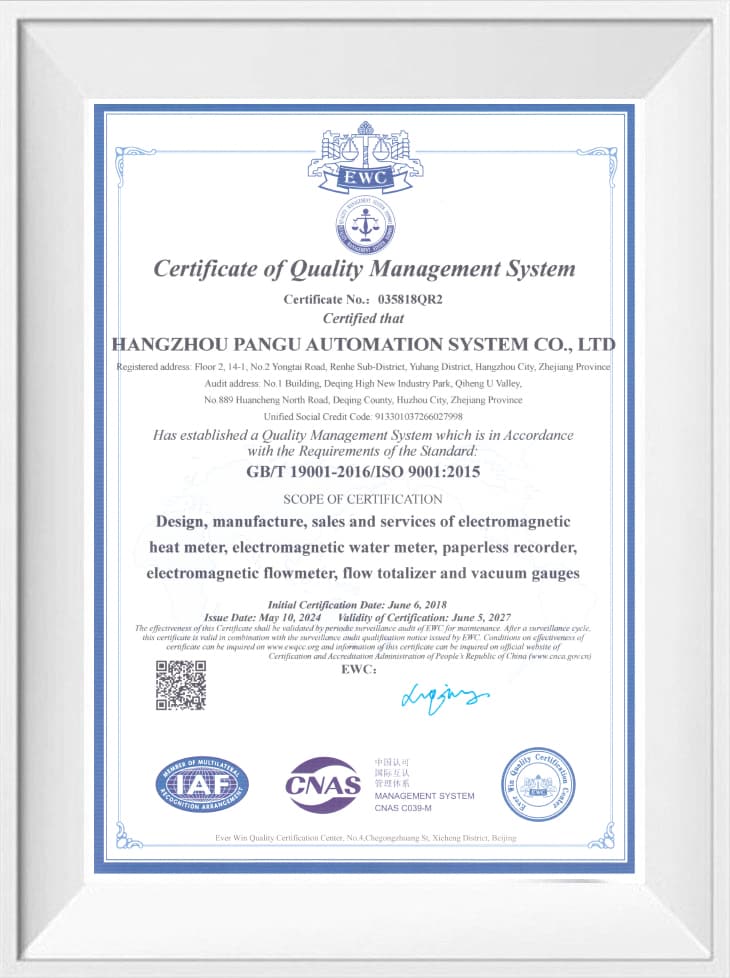 Quality Management System Certification
 Environmental Management System Certification
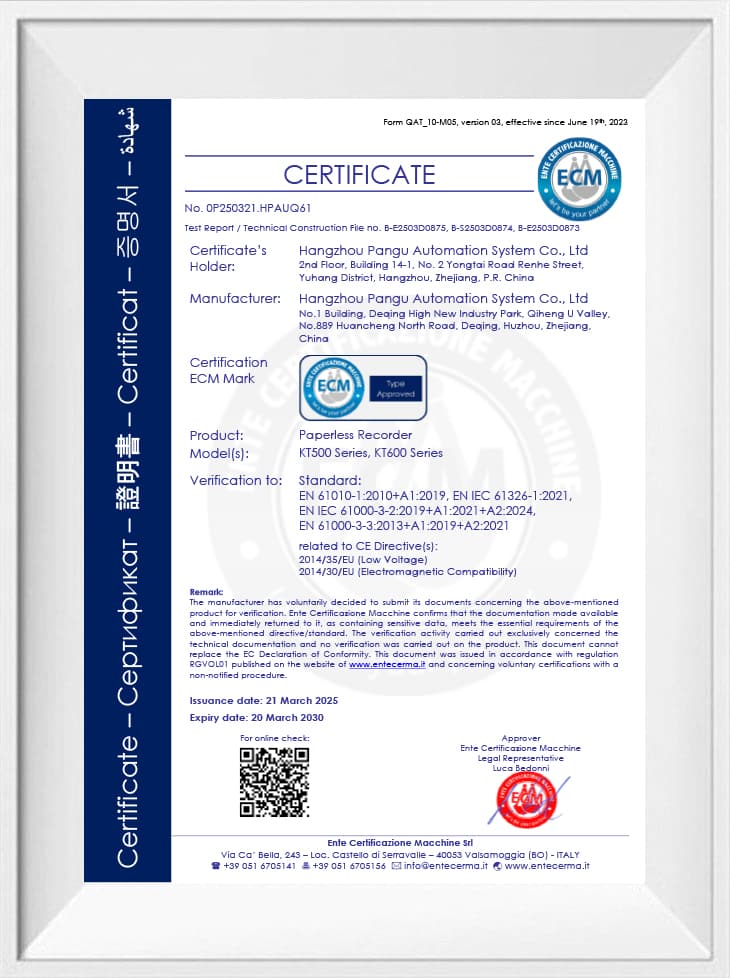 CE Certificate
 SIL Certificate
Yes. Send us your requirements and we will propose a solution.
Standard models ship quickly; custom orders depend on quantity.
Tell us your requirements and our engineers will reply promptly.
✉pangusales@vip.163.com
☎+86 13967196545
⚑602-702, Block D, Building 3, Area B,Xigang New Territories, 206 Zhenhua Road,Hangzhou City, Zhejiang Province, China