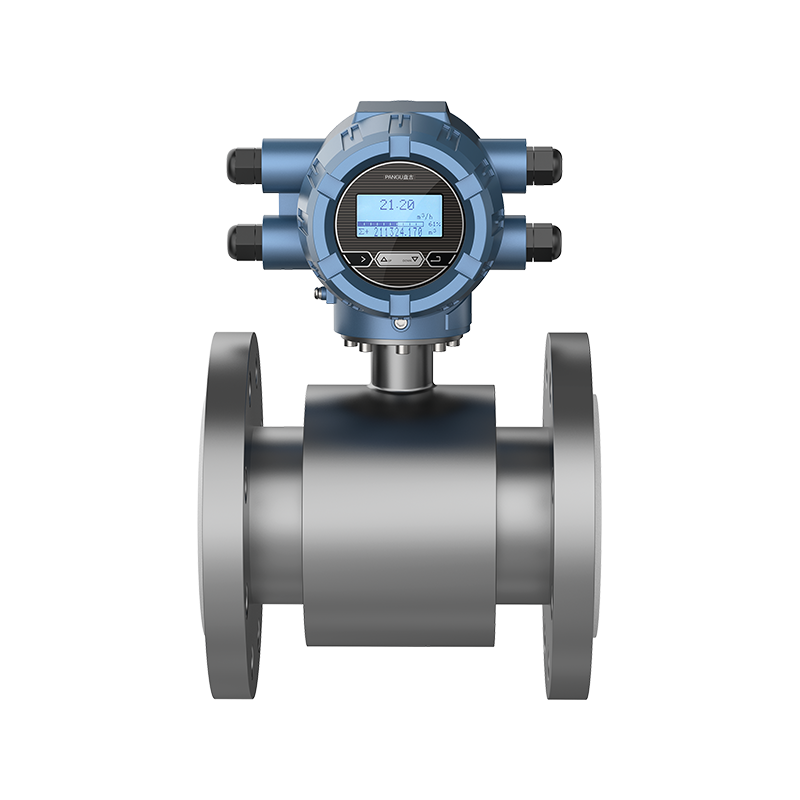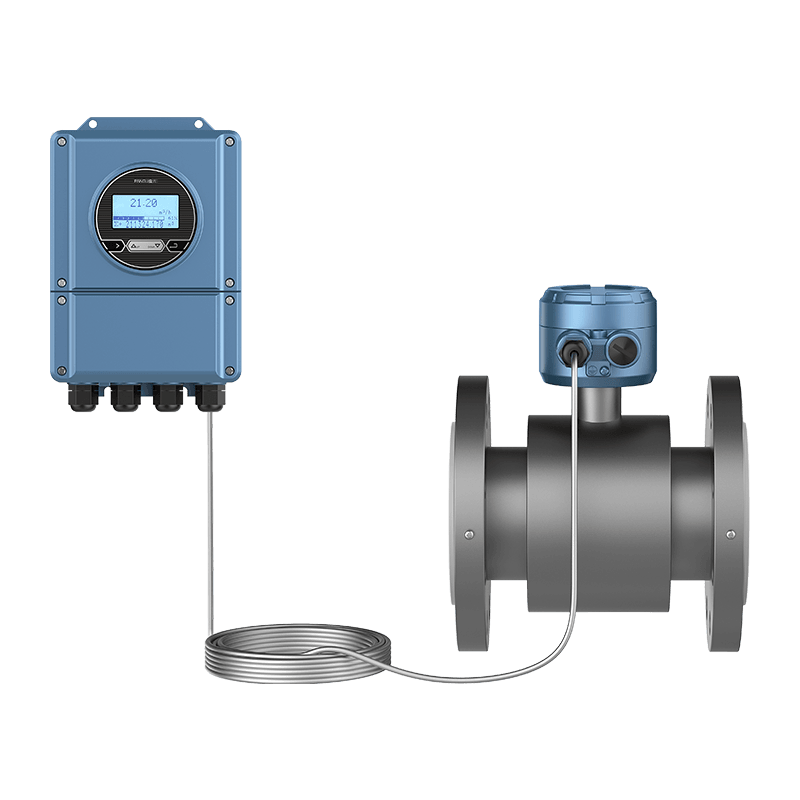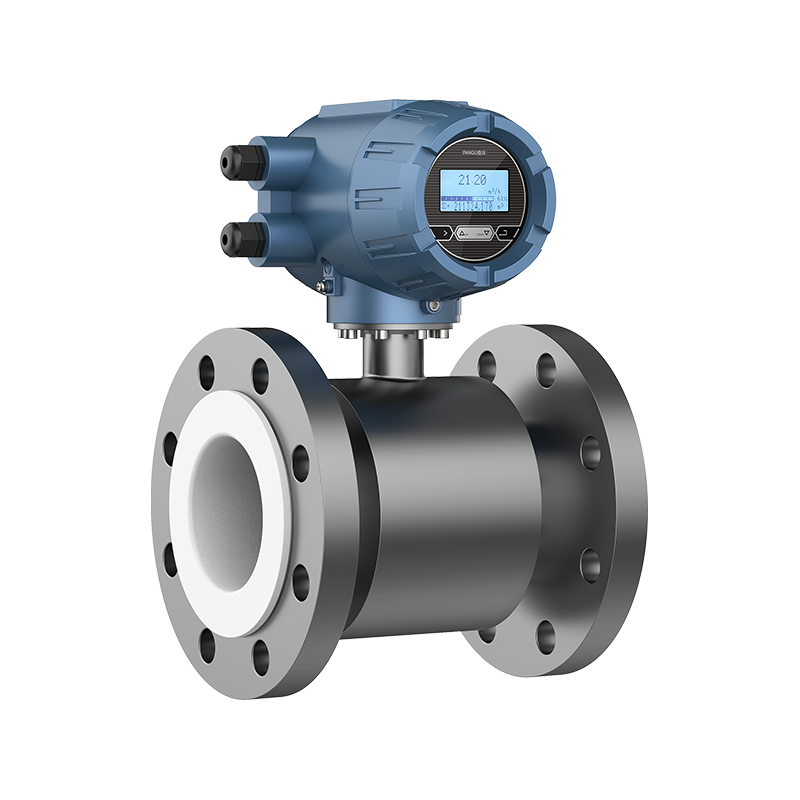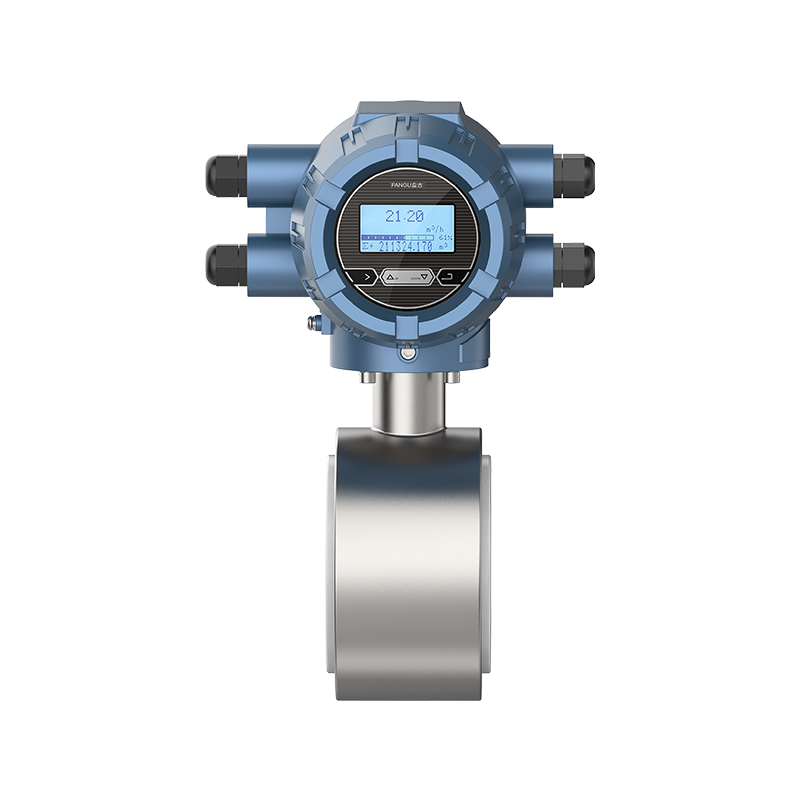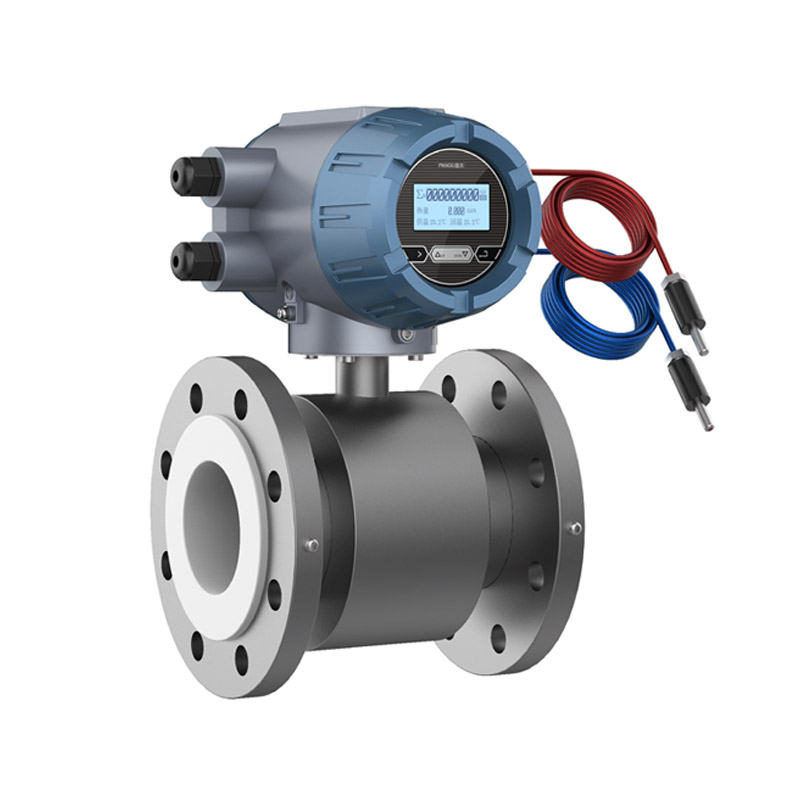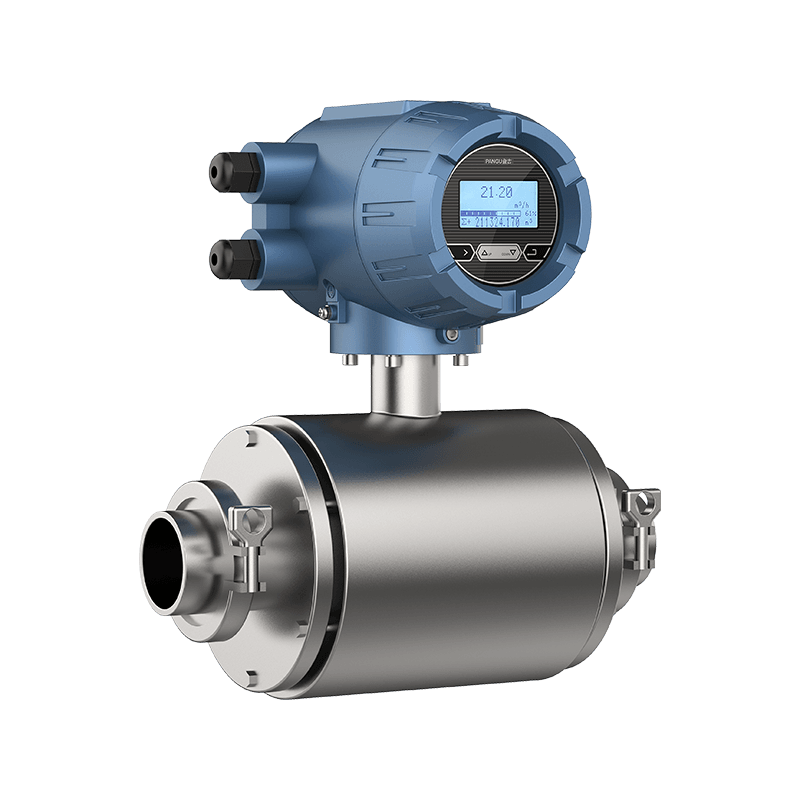
IP68 Submersible Flow Meter: Designed for flow measurement environments where equipment may be exposed to prolonged immersion, making it suitable for selected water supply, wastewater and other demanding installation conditions.
Get a Quote →An IP68 Submersible Flow Meter is designed for flow measurement installations where the instrument may be exposed to prolonged immersion or continuously wet operating conditions. Its enclosure protection is intended to prevent water ingress under the conditions specified by the manufacturer, making this type of instrument relevant to water infrastructure, wastewater systems and other demanding installation environments.
IP68 describes a level of protection against dust and water ingress; it does not independently define measurement accuracy, fluid compatibility, pressure resistance or maximum immersion depth. The actual protection conditions depend on the product design and manufacturer's test specifications. When selecting a submersible flow meter, buyers should evaluate both the measurement technology and the environmental requirements of the installation.
IP68 is an ingress protection classification associated with dust protection and immersion resistance. The exact immersion conditions must be confirmed from the instrument documentation.
The first digit indicates protection against solid foreign objects. Level 6 represents a dust-tight enclosure under the applicable test conditions.
The second digit indicates protection against water ingress during immersion under conditions agreed or specified for the equipment.
Immersion depth, duration, water temperature and installation conditions are not universally identical for all IP68 products. Confirm the manufacturer's stated test conditions and permitted operating limits before installation.
Submersible installations require attention to the complete instrument assembly, not only the outer enclosure.
The housing and sealing structure are designed to limit water and dust ingress. Cable entries, connectors and access points must maintain the specified protection level.
Submerged operation places additional importance on cable glands, connector sealing, cable condition and installation practices. An unsuitable cable connection can compromise the protection of the complete assembly.
The flow sensor and wetted components must be suitable for the process medium. Lining, electrode and body materials should be selected according to fluid characteristics and operating conditions.
Integrated and remote transmitter arrangements may have different installation requirements. Confirm which components are rated for immersion and which must remain outside the wet area.
Confirm these details with the supplier:
Enclosure protection addresses environmental exposure, while measurement performance depends on the selected sensing technology and process conditions.
Confirm whether the instrument uses electromagnetic or another measurement principle. The technology must be appropriate for the medium and required flow range.
Check conductivity where relevant, suspended solids, corrosive characteristics and the compatibility of wetted materials with the process liquid.
Review minimum, normal and maximum flow rates, operating pressure and fluid temperature against the model's specified limits.
Verify the available analog, pulse or digital outputs and determine whether the signal arrangement is suitable for the monitoring equipment.
A submersible enclosure does not make every flow meter suitable for wastewater, slurry or corrosive liquids. Both the enclosure specification and the measurement section must match the actual application.
These instruments are considered for installations where water exposure, immersion or difficult access conditions influence instrument selection.
Flow monitoring in wastewater handling processes and wet installation areas, subject to the meter's compatibility with the liquid and suspended solids.
Measurement in water distribution facilities, underground chambers and other locations where the installation may be exposed to water ingress or immersion.
Flow measurement around pump facilities and wet wells where instrument placement and enclosure protection require careful evaluation.
Monitoring water movement in drainage facilities and flood management infrastructure where temporary or prolonged water exposure may occur.
Measurement in industrial water circuits and wet process areas where the process medium, temperature and installation environment are within the instrument's specifications.
Applications in meter chambers and below-grade installations where accumulated water can expose equipment to demanding environmental conditions.
Correct mechanical installation and cable sealing are essential to maintaining the specified protection and measurement conditions.
Determine whether the meter will be continuously submerged, intermittently flooded or installed in a damp chamber. Compare the expected conditions with the manufacturer's immersion specifications.
Confirm pipe diameter, connection type, flow direction, mounting position and the straight pipe requirements stated in the installation manual.
Use the specified cable entries, connectors and sealing components. Avoid unauthorized cable extensions, connector modifications or installation methods that may reduce enclosure protection.
Provide suitable mechanical support and protect the meter and cable from impact, vibration, pulling forces and movement caused by the surrounding installation.
Check wiring, power supply, signal output and measurement configuration. Confirm that the transmitter arrangement and receiving equipment are compatible.
Do not submerge the instrument based solely on the IP68 marking. Verify the permitted immersion conditions for the complete supplied configuration, including the cable and connection components.
Routine inspection helps identify changes in enclosure condition, electrical connections and measurement performance before they affect system operation.
Inspection intervals should reflect the operating environment, process medium and manufacturer's maintenance instructions. Opening a sealed enclosure or replacing sealing components should only be performed using an approved procedure.
Answers to common questions about enclosure protection, application suitability and purchasing requirements.
IP68 indicates dust-tight protection and protection against water ingress during immersion under specified conditions. The permitted depth and duration depend on the manufacturer's product specifications.
Some IP68 instruments are designed for prolonged immersion, but continuous underwater operation must be explicitly supported by the manufacturer. Confirm the specified immersion depth, duration and installation conditions.
No. Although the classification is standardized, the actual immersion conditions specified for individual products can differ. Review the manufacturer's test conditions rather than assuming all IP68 instruments have identical limits.
It can be used when the measurement principle, wetted materials and operating range are suitable for the wastewater characteristics. Solids content, conductivity where relevant and chemical compatibility should be evaluated.
The protection of the complete installation depends on the specified enclosure, cable entries, connectors and assembly method. Confirm that the supplied cable and connection arrangement are included in the applicable protection specification.
Some flow meter designs support remote transmitter installation. The sensor and transmitter may have different enclosure ratings, so the permitted installation location of each component must be checked separately.
It may be suitable where the enclosure protection and immersion conditions match the expected water exposure. Also check cable routing, access for maintenance and the transmitter's installation requirements.
No. IP68 addresses ingress protection, not chemical resistance. The body, lining, electrodes, seals and other wetted materials must be compatible with the process medium.
Check the permitted immersion conditions, pipe size, flow direction, mounting requirements, cable arrangement, power supply and output configuration. Follow the product installation manual for sealing and commissioning procedures.
Inspect the enclosure, cable, connectors, mounting and measurement performance at suitable intervals. Do not open sealed components or replace sealing parts without following the manufacturer's approved maintenance procedure.
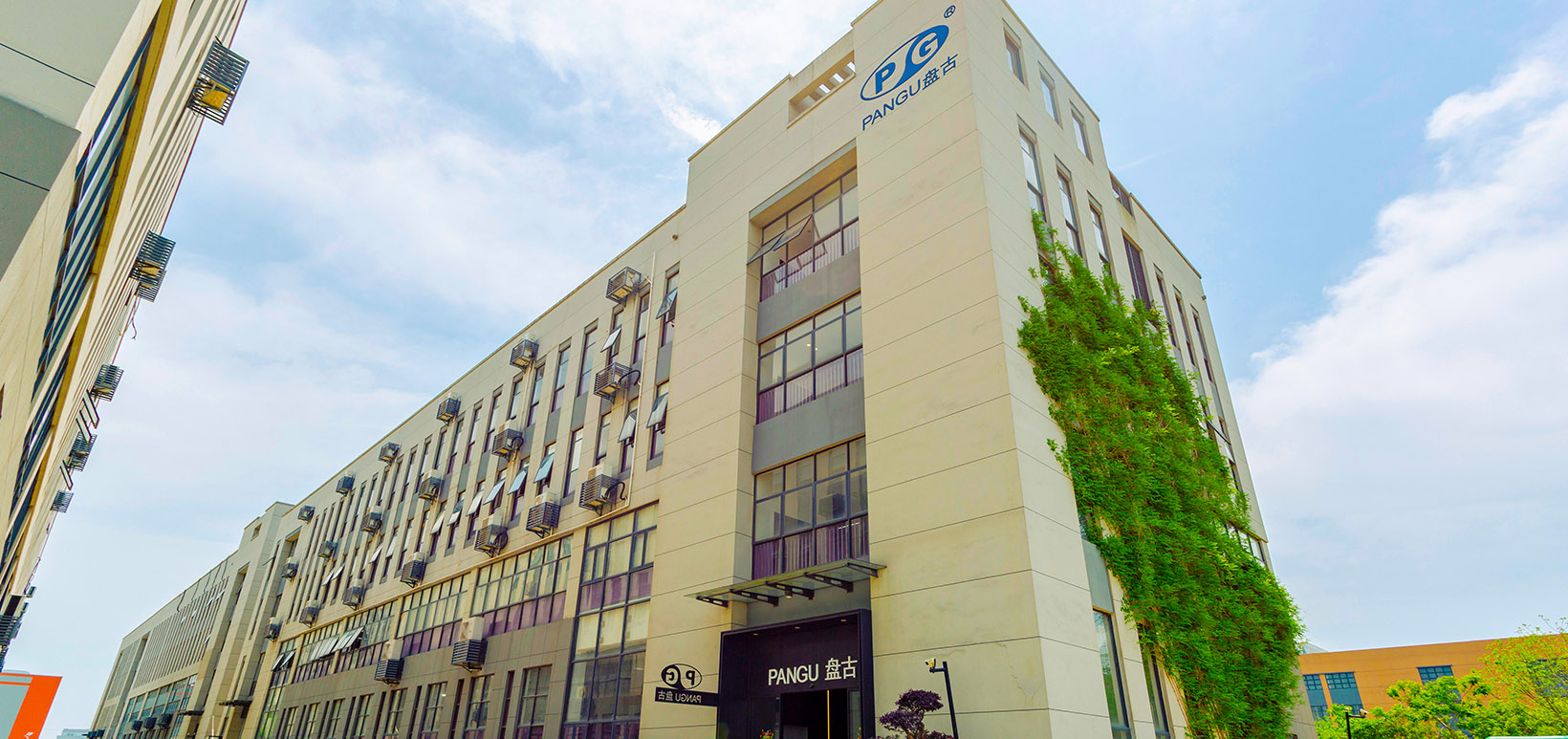
Hangzhou Pangu Automation System Co., Ltd. is professional China wholesale IP68 Submersible Flow Meter manufacturers and IP68 Submersible Flow Meter suppliers, with strict quality control and years of industrial application experience.
 Aging Chamber
 High-Speed Chip Mounter
 Glue Dispensing Machine
 Potting Process
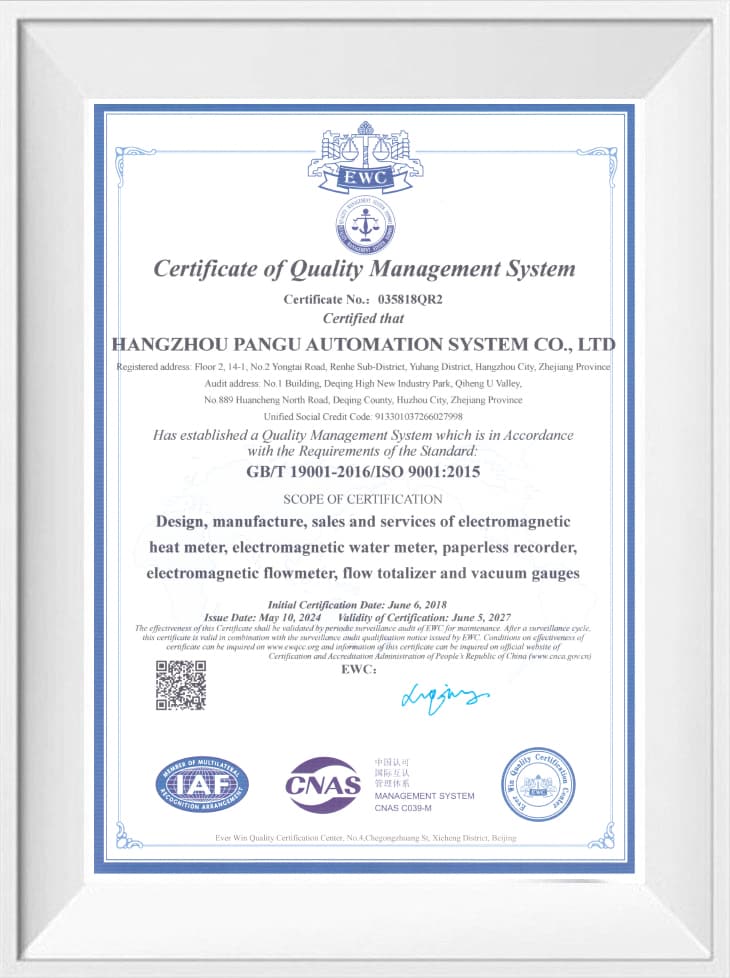 Quality Management System Certification
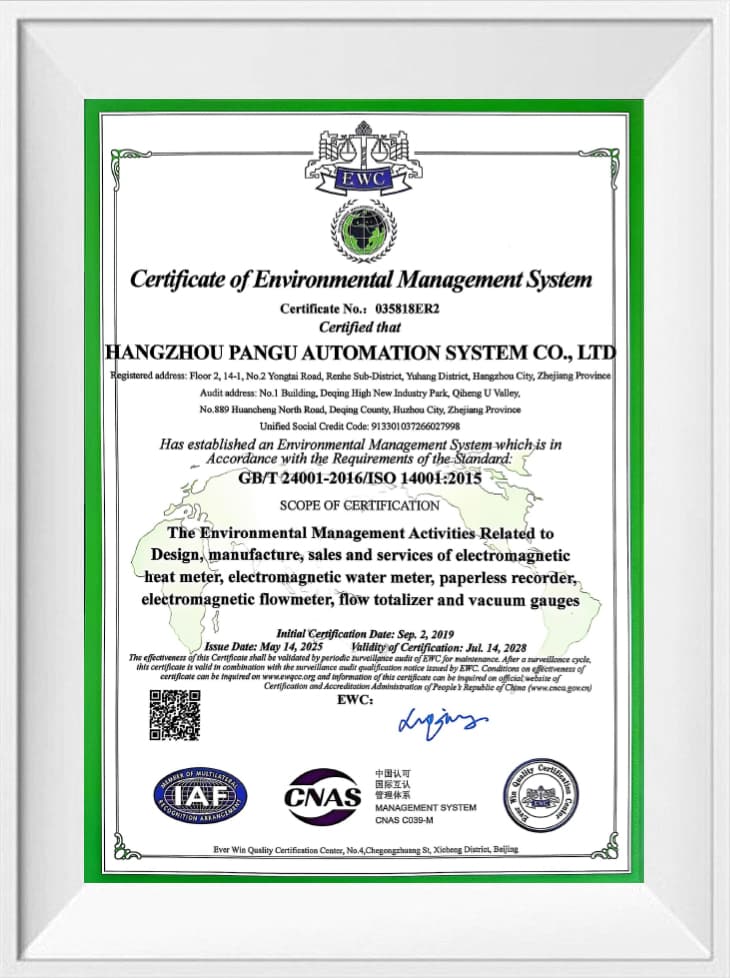 Environmental Management System Certification
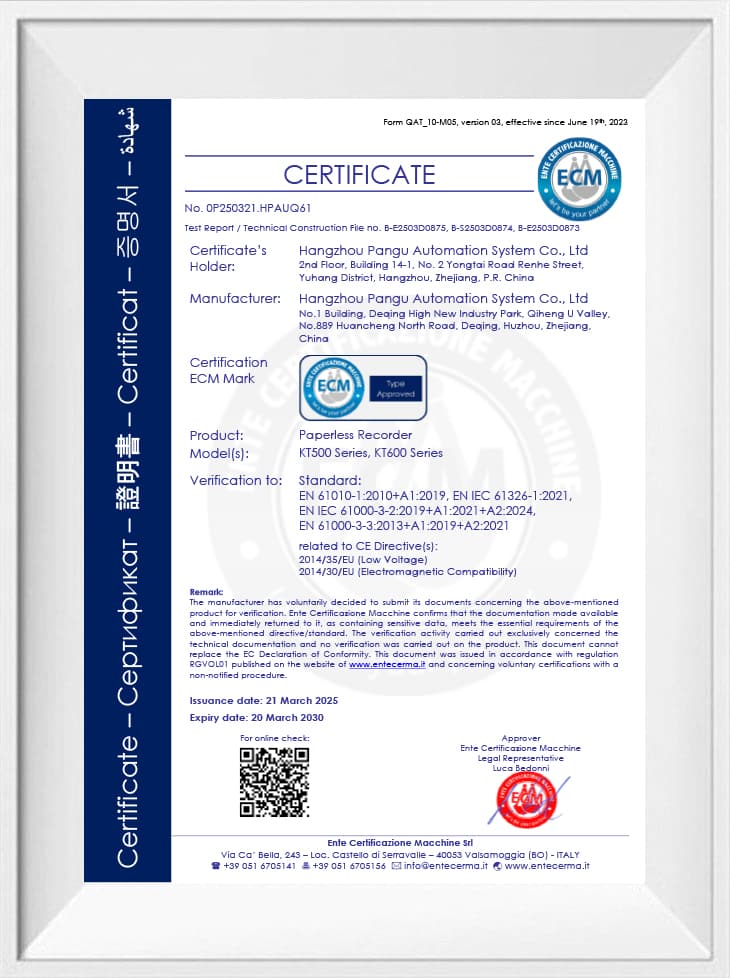 CE Certificate
 SIL Certificate
Yes. Send us your requirements and we will propose a solution.
Standard models ship quickly; custom orders depend on quantity.
Tell us your requirements and our engineers will reply promptly.
✉pangusales@vip.163.com
☎+86 13967196545
⚑602-702, Block D, Building 3, Area B,Xigang New Territories, 206 Zhenhua Road,Hangzhou City, Zhejiang Province, China