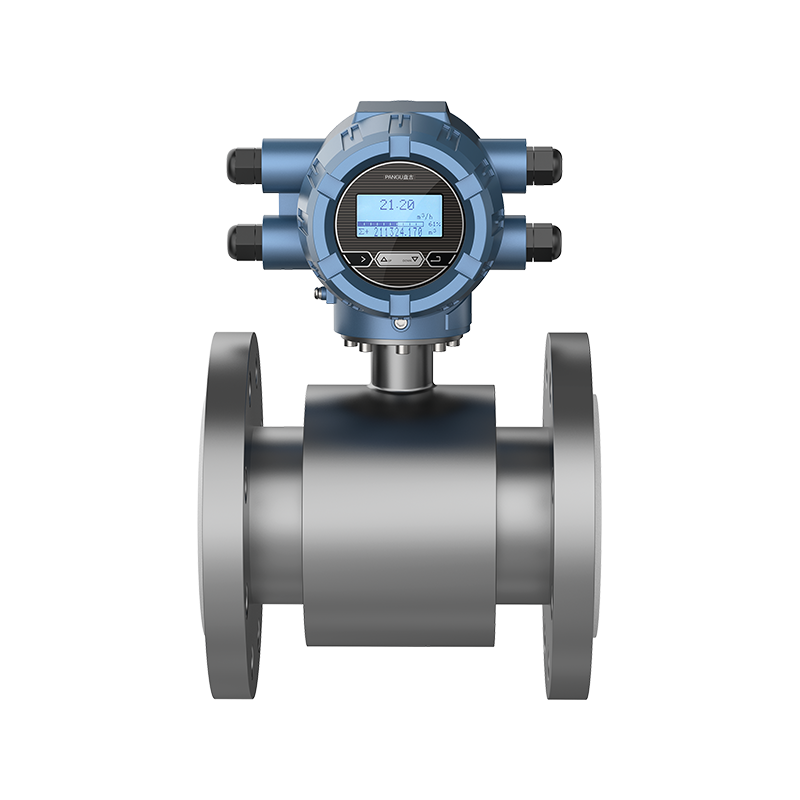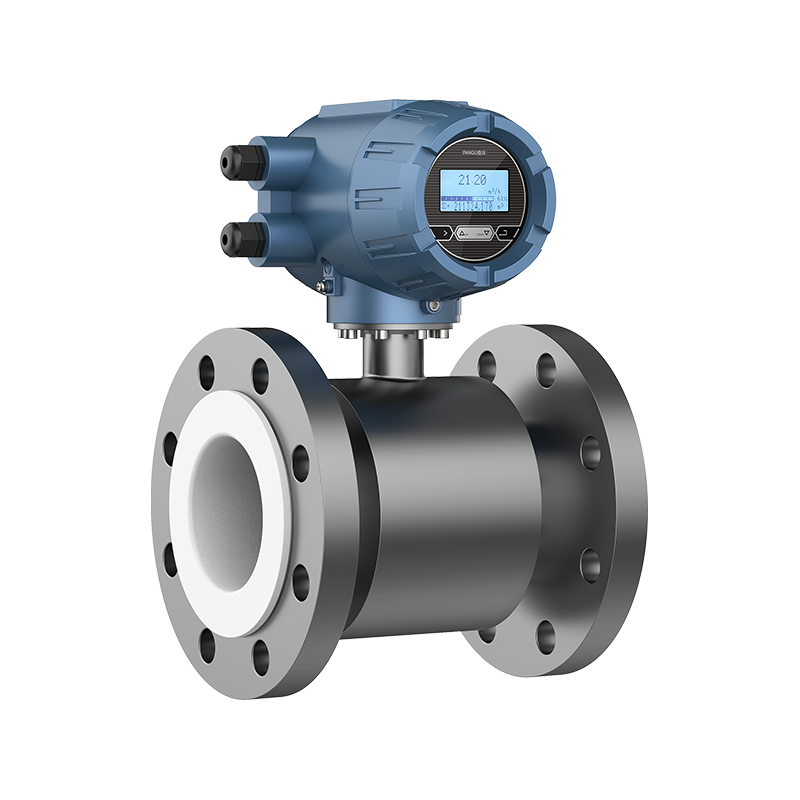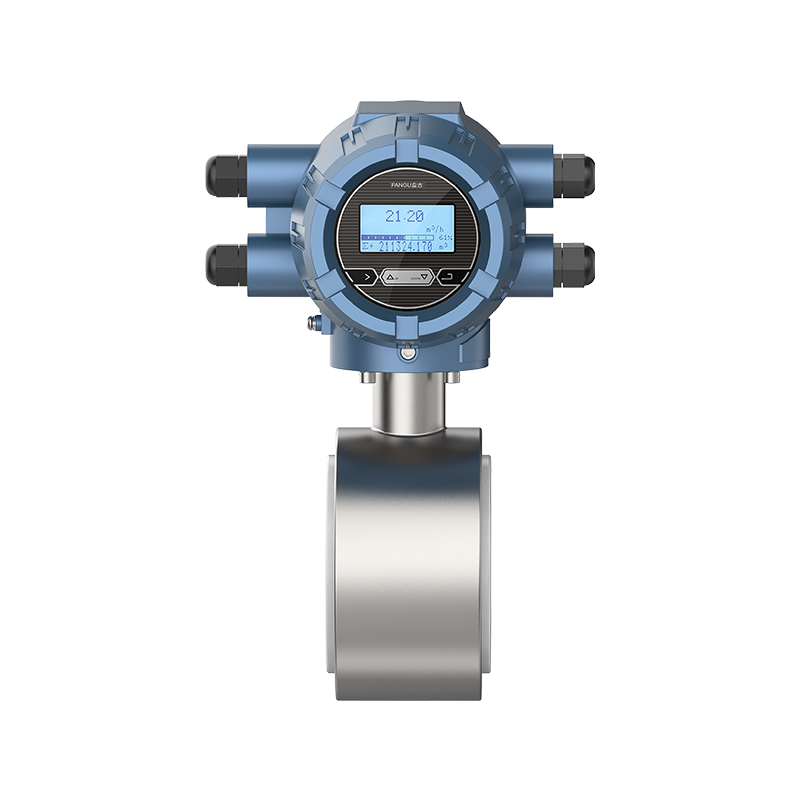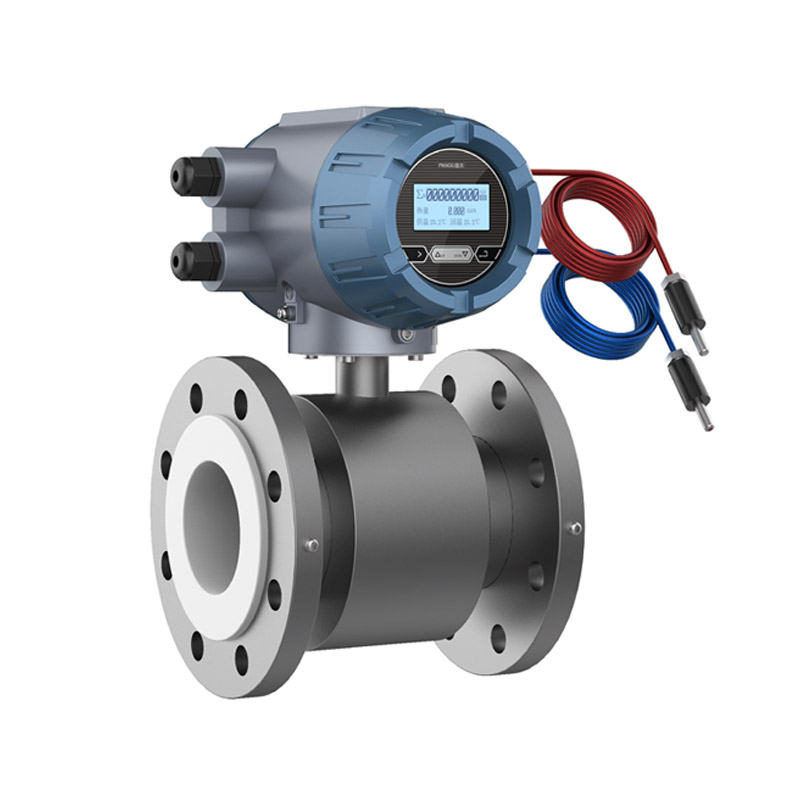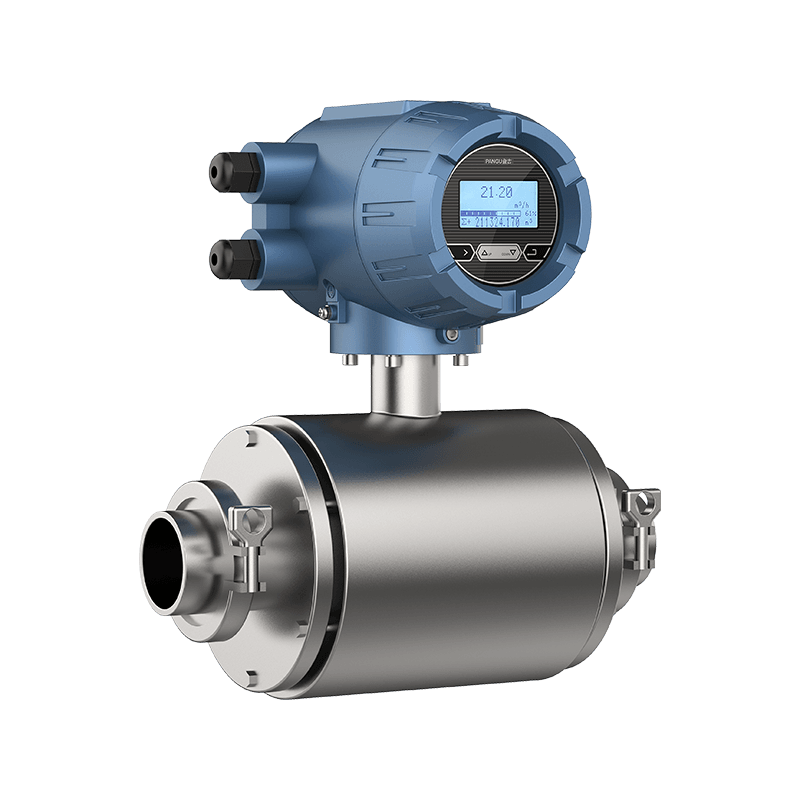
HART Protocol Flow Meter: Supports flow measurement applications that require HART communication, helping integrate instrument data with compatible configuration, monitoring and process management systems.
Get a Quote →HART Protocol Flow Meters combine flow measurement with digital communication capabilities for industrial process monitoring. They are used where operators need access to flow-related data and instrument information through a HART-compatible communication interface, supporting both local measurement functions and integration with process control systems.
HART communication can provide access to device configuration, operating status and diagnostic information in addition to the primary measurement signal. The available communication functions depend on the flow meter model, transmitter configuration and system setup. Buyers should therefore confirm protocol support and interface details for the specific instrument before selecting it for a project.
HART provides a communication layer for exchanging instrument information within compatible process measurement systems.
The flow meter provides its configured measurement output for connection to a compatible monitoring or control system. The signal type and output arrangement should be checked against the model documentation.
HART communication enables compatible devices to exchange additional instrument information over the supported communication channel.
Where supported by the transmitter, authorized users can access device parameters through a compatible HART communicator or system interface.
Compatible HART functions can provide instrument status and diagnostic information, helping maintenance personnel review device conditions.
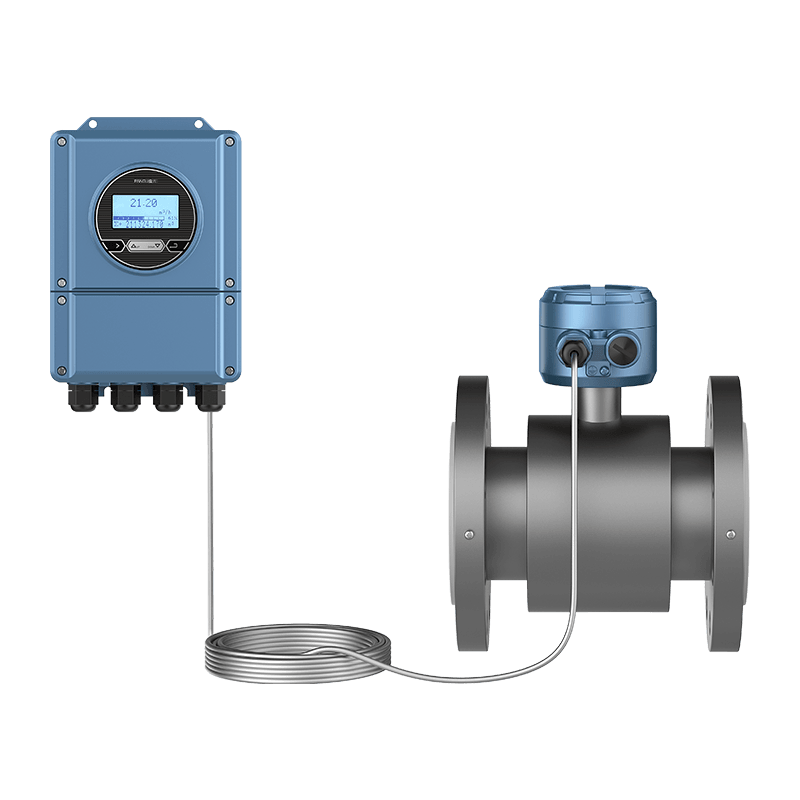
A HART-enabled flow meter is generally integrated as part of a wider instrumentation loop. Compatibility across the transmitter, wiring, communication device and control system is essential.
Measures the process flow under the conditions supported by the selected meter.
Processes the measurement and provides the configured output and communication functions.
Receives the supported measurement signal and, where configured, HART communication data.
HART availability does not automatically mean that every process variable, diagnostic item or configuration parameter is accessible in every system. Confirm the transmitter's HART implementation, device description support and host-system compatibility before commissioning.
Protocol compatibility is only one part of flow meter selection. The measurement principle and process conditions must also match the application.
| Selection item | Information to verify | Why it matters |
|---|---|---|
| Measurement medium | Liquid type, conductivity where relevant, solids content and process characteristics | Determines whether the selected measurement principle is suitable. |
| Pipe and connection | Nominal pipe size, installation arrangement and process connection | Helps confirm mechanical compatibility with the pipeline. |
| Operating conditions | Flow range, pressure, temperature and installation environment | Ensures the instrument is selected within its specified operating limits. |
| Output configuration | Analog output, pulse output and other available signal options | Determines how measurement data is transmitted to connected equipment. |
| HART implementation | Supported HART version, communication terminals and available device functions | Confirms whether the required digital communication functions are available. |
| System compatibility | Host system, communicator, wiring arrangement and device integration requirements | Reduces configuration and commissioning issues. |
Inspect electrical connections, cable condition, grounding and instrument status at intervals appropriate to the operating environment. For applications involving deposits, suspended solids or corrosive media, follow the meter manufacturer's maintenance instructions and check the measurement section for process-related effects.
HART communication can be useful in process environments where instrument information is managed alongside flow measurement data. The suitability of a particular meter still depends on its measurement principle and approved operating range.
Flow measurement in water distribution, treatment processes and utility pipelines, subject to medium and meter compatibility.
Monitoring liquid flow in wastewater handling and environmental process systems where the selected meter can accommodate the fluid characteristics.
Process flow monitoring where material compatibility, operating conditions and the required communication functions have been verified.
Measurement in compatible water and utility circuits, with instrument data available to connected monitoring systems where supported.
Flow monitoring in manufacturing processes that require centralized measurement supervision and access to instrument information.
Providing complete application and communication information helps suppliers assess the required meter configuration more accurately.
Medium, normal flow rate, minimum and maximum flow, operating pressure and temperature.
Pipe diameter, connection standard, installation position and material requirements.
Power supply, output signals, cable entry and wiring requirements.
HART requirement, host system type, communicator requirements and requested device information.
Quantity, delivery destination, required documents, inspection requirements and applicable approvals.
Indoor or outdoor installation, ambient conditions, enclosure protection and hazardous-area requirements where applicable.
Common technical and purchasing questions about flow measurement and HART communication.
A HART protocol flow meter is a flow measurement instrument equipped with a transmitter that supports HART communication. It can provide measurement output and, where configured, additional digital instrument information.
Not necessarily. HART is commonly implemented alongside a compatible analog signal loop. The actual output arrangement depends on the transmitter design and configuration.
It can be integrated when the transmitter output, HART interface and control system are compatible. The required input modules and communication arrangement should be confirmed before installation.
Depending on the device implementation, users may access configuration parameters, device identification, operating status and diagnostic information. The available data varies by transmitter model.
No. HART is a transmitter communication option, not an automatic feature of every flow meter. Buyers should specify the requirement and confirm it for the exact model and configuration.
A compatible handheld communicator or host system may be used to access HART functions. Whether a separate device is needed depends on the existing control system and commissioning arrangement.
Remote configuration may be possible through a compatible host system and communication setup. Access depends on the instrument's supported functions, system configuration and applicable authorization procedures.
Check wiring, loop power, communication connections, device address and host-system compatibility. Also verify that the transmitter supports the required HART function and that the communication setup follows its manual.
Start with the medium, flow range, pipe size, pressure, temperature and installation conditions. Then confirm the transmitter's HART capability, output configuration and compatibility with the intended control system.
Provide the required meter type, process conditions, power supply, output signal, HART requirement and host-system details. The supplier can then check the available configuration for the selected model.

Hangzhou Pangu Automation System Co., Ltd. is professional China wholesale HART Protocol Flow Meter manufacturers and HART Protocol Flow Meter suppliers, with strict quality control and years of industrial application experience.
 Aging Chamber
 High-Speed Chip Mounter
 Glue Dispensing Machine
 Potting Process
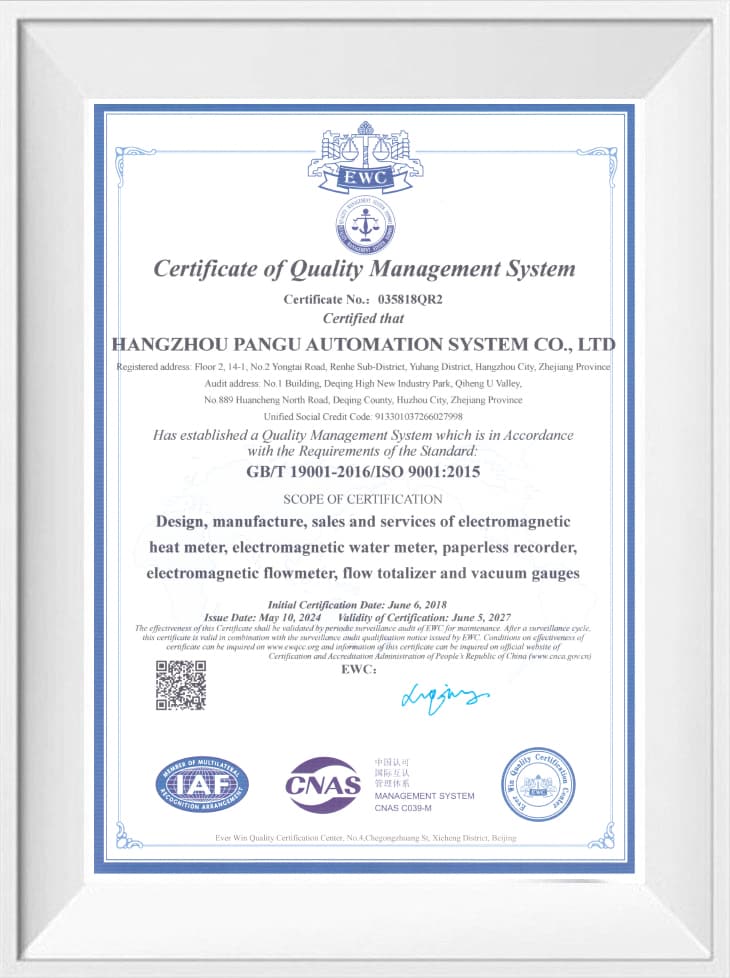 Quality Management System Certification
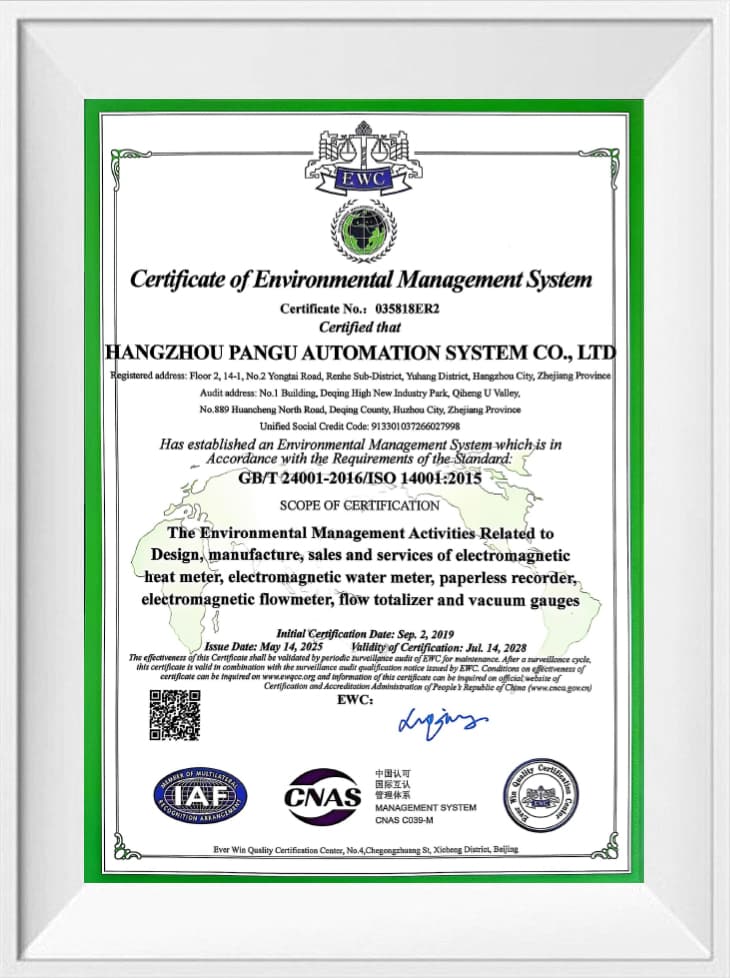 Environmental Management System Certification
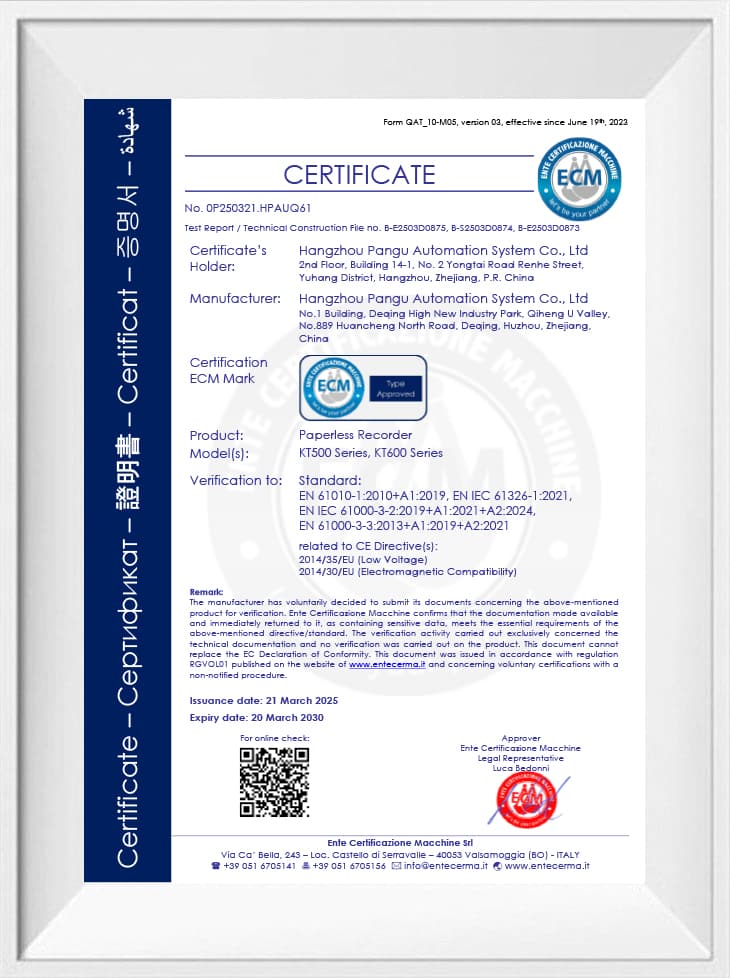 CE Certificate
 SIL Certificate
Yes. Send us your requirements and we will propose a solution.
Standard models ship quickly; custom orders depend on quantity.
Tell us your requirements and our engineers will reply promptly.
✉pangusales@vip.163.com
☎+86 13967196545
⚑602-702, Block D, Building 3, Area B,Xigang New Territories, 206 Zhenhua Road,Hangzhou City, Zhejiang Province, China