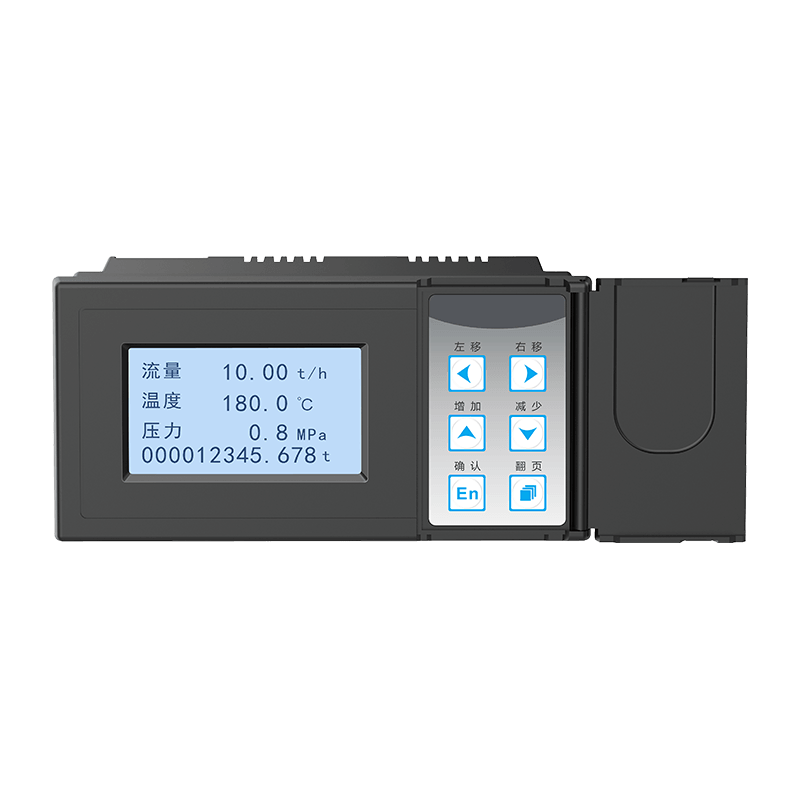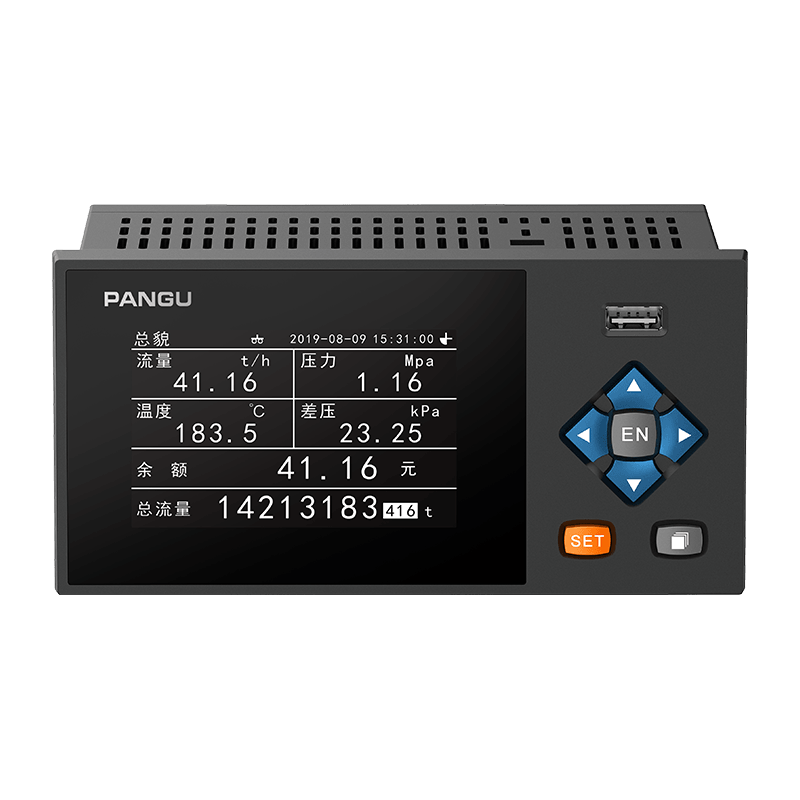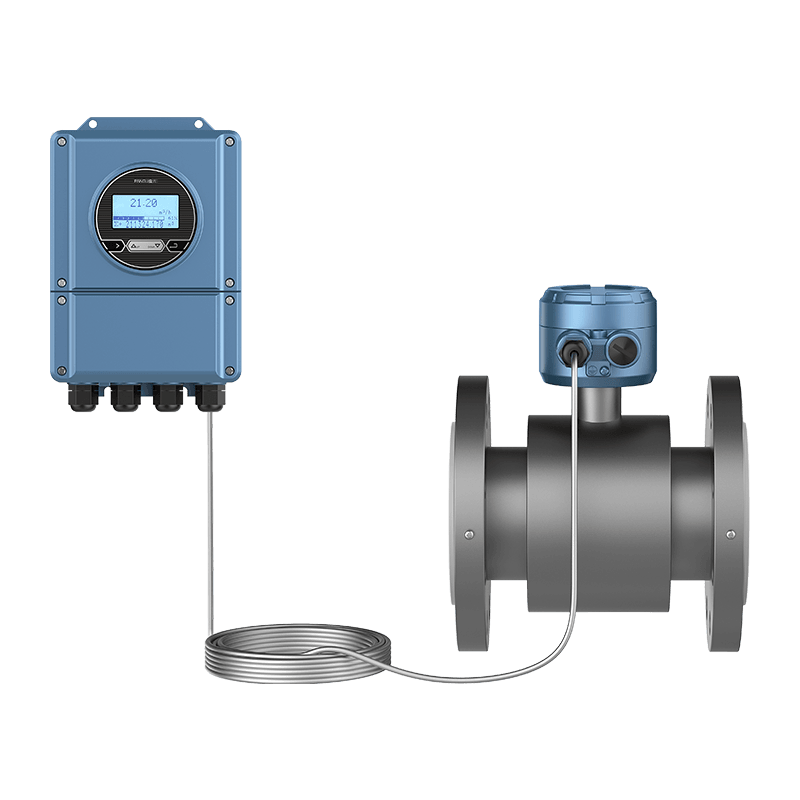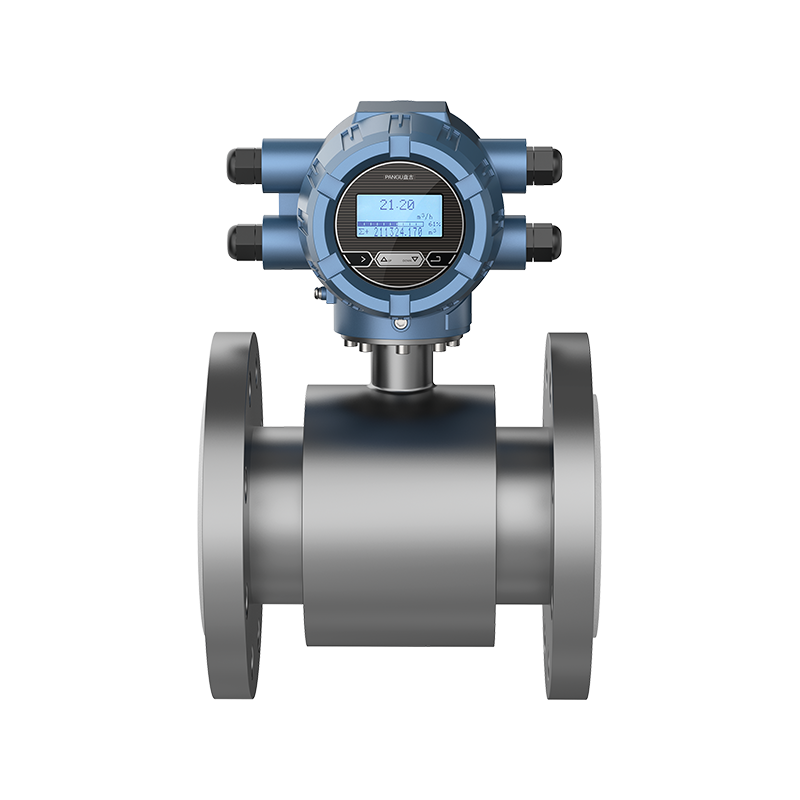
Our food and beverage processing flow solutions support accurate measurement of liquids and process fluids, helping maintain consistent production and efficient process monitoring.
Get a Quote →Food and beverage processing flow measurement is the monitoring of liquids, pastes and process utilities as they move through mixing, heating, filling and cleaning systems. Flow data controls ingredient ratios, batch volumes, product transfer and cleaning cycles, so that recipes stay consistent and production records stay complete.
Instruments in this sector must do more than measure accurately. They need hygienic construction, food-contact materials, smooth wetted surfaces and resistance to repeated cleaning with hot water, detergents and sanitizing agents. The right choice depends on the product itself, whether a thin beverage, a viscous sauce or a liquid with particles, and on the cleaning method used in the plant.
Food-Contact Materials
Wetted parts, seals and liners should be made of materials approved for contact with food and beverage products in the target market.
Smooth, Crevice-Free Surfaces
Polished wetted surfaces and a design without dead pockets reduce the places where product residue and bacteria can collect.
Hygienic Connections
Clamp, dairy-style and aseptic connections allow fast, tool-light removal and reduce the risk of leakage and contamination.
Temperature Tolerance
Meters see hot cleaning water and sometimes steam, so the sensor and converter should be rated for those temperature peaks.
Stable Accuracy at Small Volumes
Dosing of flavors, additives and concentrates involves small quantities, where repeatability matters as much as the stated accuracy.
Washdown-Resistant Housings
Enclosures should resist high-pressure washing and cleaning chemicals, with an ingress rating suited to the production area.
In a typical line, ingredients are metered into a mixing tank or inline blender, the product passes a heating or cooling step and then moves to a filler. A separate cleaning circuit rinses the same pipework between runs.
The same flow device may therefore see both product and cleaning fluids, which is why materials and ratings must suit both conditions.
The table gives a general overview. The product type and cleaning method usually decide the final choice.
| Technology | Product Requirement | Measures | Hygienic Fit | Typical Use |
|---|---|---|---|---|
| Electromagnetic | Conductive liquid | Volume | Very good | Milk, juice, beer, sauces, cleaning fluids |
| Coriolis mass | Liquid or paste | Mass and density | Very good | Dosing, blending, concentration control |
| Ultrasonic | Homogeneous liquid | Volume | Good | Water, clean beverages, retrofit points |
| Vortex | Clean low-viscosity fluid | Volume | Good | Steam, hot water, cleaning circuits |
| Turbine | Clean thin liquid | Volume | Moderate | Water and clear beverages |
| Positive displacement | Viscous liquid | Volume | Moderate | Syrups, oils, thick sauces |
Pure water, oils and many alcohol-rich liquids have low conductivity, so mass flow or other principles are usually considered for them instead of electromagnetic technology.
Milk intake, standardization, pasteurizer flow and cream or whey transfer all rely on stable, hygienic flow data.
Syrup and water ratio control, carbonation lines and filler supply depend on repeatable dosing measurement.
Wort transfer, water use, beer movement between tanks and filtration lines benefit from gentle, obstruction-free metering.
Thicker products need devices suited to viscosity, and mass flow is often used for accurate ingredient proportioning.
Liquid sugar, fats, flavors and water are batched with measured quantities that support consistent dough and fillings.
Water, steam and cleaning solution flow data helps verify cleaning cycles and manage utility consumption.
Recommended Practice
Common Problems
Cleaning-in-Place Compatibility
Confirm that liners, seals and electrodes tolerate the cleaning temperatures and chemicals used, including acid and alkaline steps.
Steam Sanitizing
Where steam is applied, check the maximum temperature and duration allowed for the sensor and converter, not only the process fluid rating.
Inspection of Seals and Gaskets
Wear parts should be inspected regularly and replaced on schedule to prevent leakage and keep the hygienic seal intact.
Verification and Records
Periodic checks, with records kept for audits, show that dosing and transfer measurements remain within the plant tolerance.
Product data: product name, viscosity, conductivity, particle content, temperature and pressure.
Hygienic details: connection standard, surface finish, drainability and cleaning method.
Compliance documents: food-contact material declarations and any hygienic design certificates your market requires.
Control interface: output type, batching functions and communication protocol of the plant system.
Calibration and support: factory calibration report, spare seals and technical assistance for commissioning.
Tip: Sending a short process description, including the product, the cleaning steps and the control system, helps a supplier propose a suitable meter and seal combination faster.
Instruments touch edible products, so materials must be food-contact approved, surfaces must be easy to clean and the design must avoid places where residue collects. Devices must also tolerate frequent hot cleaning cycles.
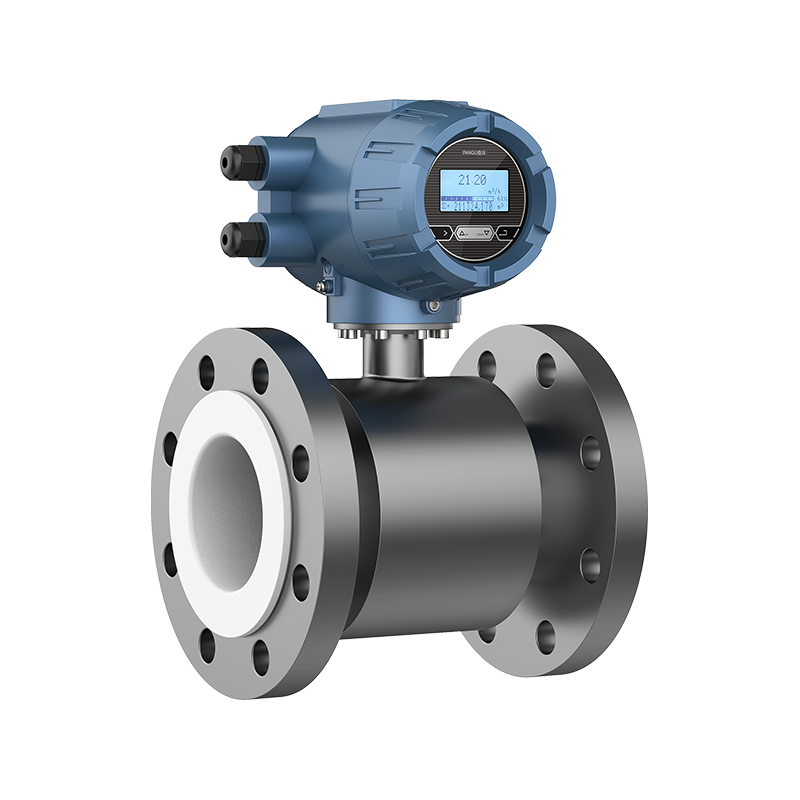
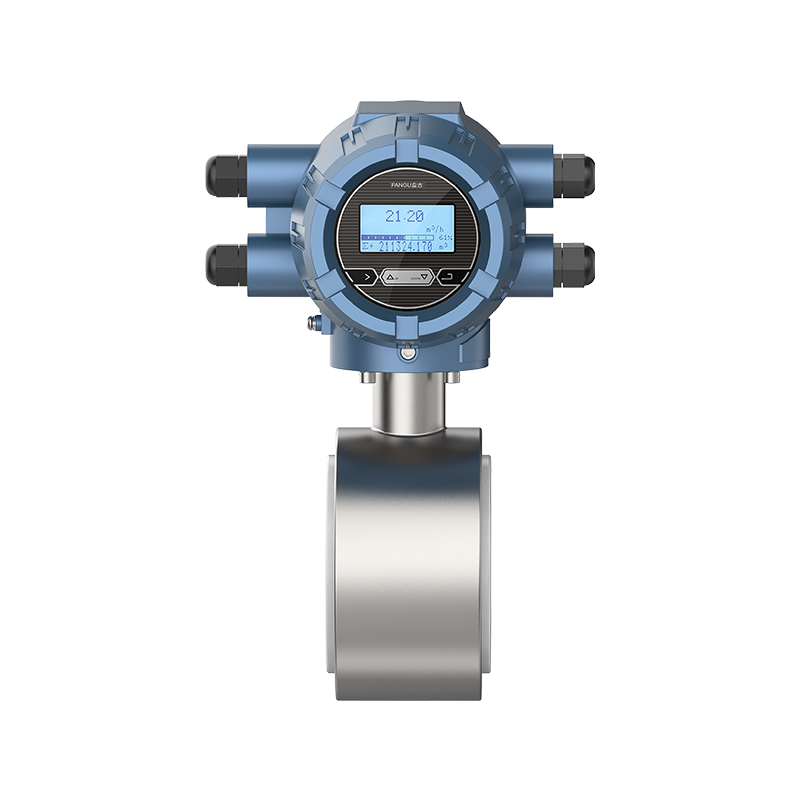
Electromagnetic flowmeters with hygienic liners and connections are widely used because they have no obstruction in the pipe and suit conductive liquids. Coriolis meters are also common when mass or density data is needed.
Oils and very pure water have conductivity below what conventional electromagnetic meters require. Mass flow, positive displacement or ultrasonic options are usually considered for these liquids.
Mass measurement is attractive when density changes with temperature or concentration, or when recipes are defined by weight. Volume measurement is adequate for stable products with consistent density.
Share the cleaning agents, concentrations, temperatures and contact times with the supplier. They can then confirm whether liner, electrode, seal and converter ratings cover those conditions.
Clamp connections, dairy-style threaded couplings and aseptic fittings are common. The choice normally follows the standard already used in the plant, so the meter can be fitted without adapters.
Full-bore electromagnetic meters handle many particle-containing products because they have no obstruction. Particle size and concentration should still be shared so the supplier can check suitability.
Only if the instrument is not rated for the steam temperature and duration. Check both sensor and converter ratings, and avoid sudden temperature shocks where the design does not permit them.
Intervals depend on product risk, quality system rules and the stability of the meter. Critical dosing points are normally checked more often, with records kept for internal audits and customer inspections.
Provide the product and its properties, line size, flow range, temperature and pressure, connection standard, cleaning method, output signal and any compliance documents required. A short process sketch is also useful.

Hangzhou Pangu Automation System Co., Ltd. is professional China wholesale Food and Beverage Processing Flow manufacturers and Food and Beverage Processing Flow suppliers, with strict quality control and years of industrial application experience.
 Aging Chamber
 High-Speed Chip Mounter
 Glue Dispensing Machine
 Potting Process
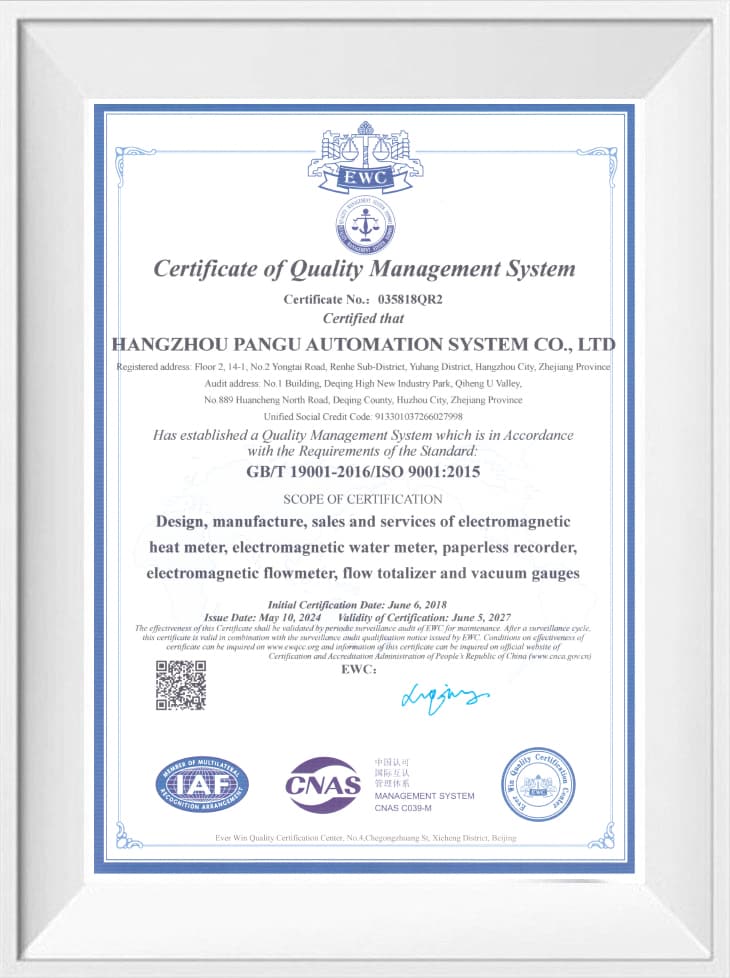 Quality Management System Certification
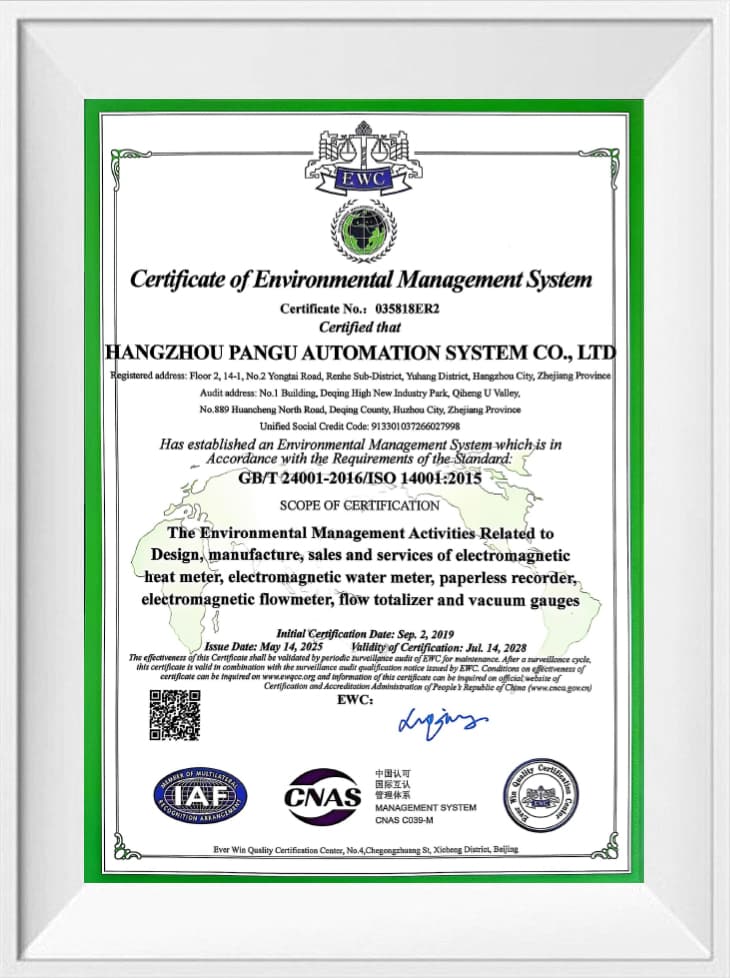 Environmental Management System Certification
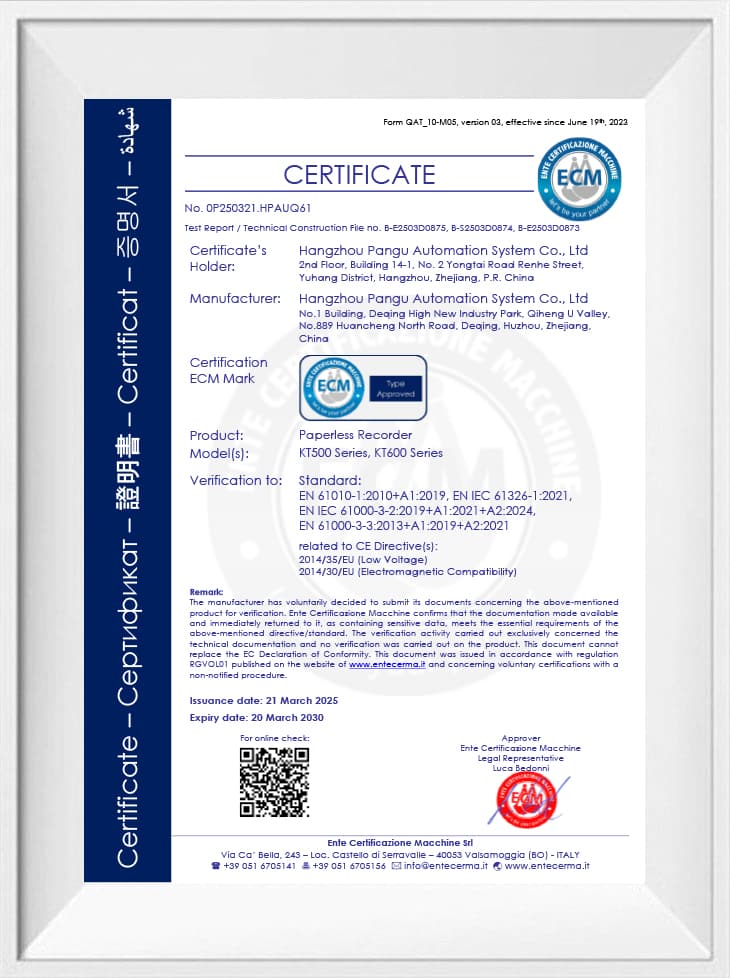 CE Certificate
 SIL Certificate
Yes. Send us your requirements and we will propose a solution.
Standard models ship quickly; custom orders depend on quantity.
Tell us your requirements and our engineers will reply promptly.
✉pangusales@vip.163.com
☎+86 13967196545
⚑602-702, Block D, Building 3, Area B,Xigang New Territories, 206 Zhenhua Road,Hangzhou City, Zhejiang Province, China