

 +86 13967196545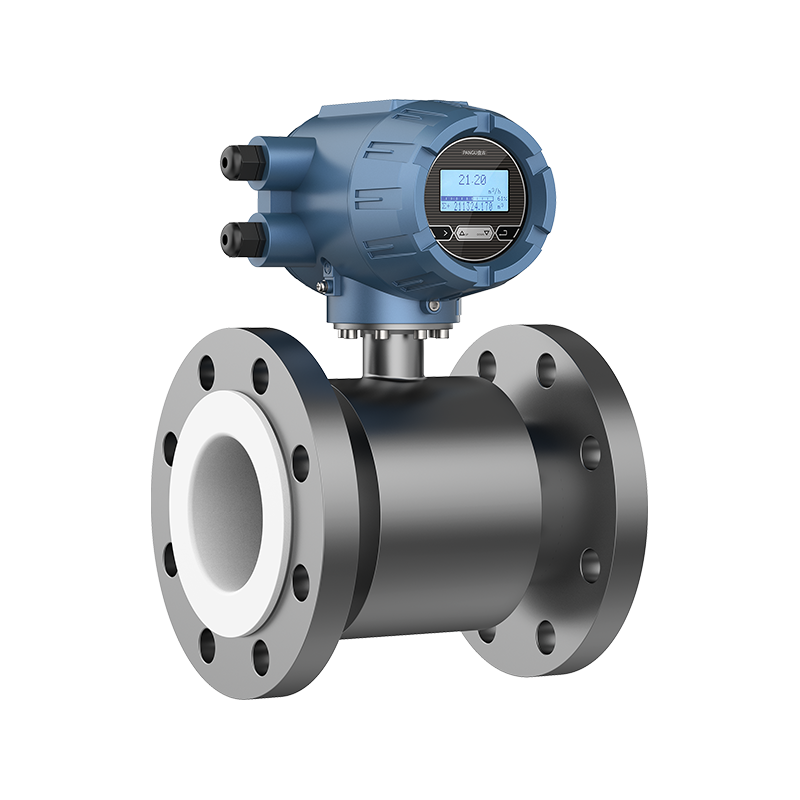

What is the difference between open-loop and closed-loop control systems?
In modern industrial automation, control systems play a critical role in maintaining stable production, improving efficiency, and ensuring operational safety. The main distinction between open-loop and closed-loop control systems lies in whether the system uses feedback to adjust its operation. Open-loop systems execute commands without checking the actual output, while closed-loop systems continuously monitor process conditions and make automatic corrections based on feedback signals. Understanding these differences is essential when selecting suitable process control instrumentation for industrial environments.
With the rapid development of smart manufacturing, industrial users increasingly require accurate monitoring, reliable measurement, and intelligent regulation. Modern industrial flow measurement equipment and automation devices help operators collect real-time process data, while advanced process control equipment enables more precise decision-making. These technologies provide the foundation for both open-loop and closed-loop applications across energy, chemical, environmental protection, and manufacturing industries.
Understanding Open-loop Control Systems
An open-loop control system is a basic automation structure where the controller sends commands to an actuator according to predefined settings, but it does not receive feedback from the controlled process. This means the system assumes that the desired result will be achieved once the command is executed. Open-loop control is often selected for applications where process conditions are predictable and high precision adjustment is not necessary.
The main advantage of open-loop systems is their simple structure. They usually require fewer components, lower installation costs, and easier maintenance procedures. For example, some basic fluid delivery processes can operate effectively when the required flow rate remains constant. In these situations, process control instrumentation with simple monitoring functions can provide sufficient operational support without requiring complex feedback mechanisms.
Open-loop systems are commonly used in fixed-operation applications, including basic water circulation, scheduled equipment operation, and simple material transfer processes. Their performance depends heavily on stable operating conditions. If external factors change, such as pressure variation or equipment aging, the system may not automatically compensate, which creates limitations compared with feedback-based solutions.
- Simple design with fewer control components.
- Suitable for repetitive and predictable industrial processes.
- Lower investment and easier maintenance requirements.
- Effective for applications where accuracy requirements are moderate.
Closed-loop Control Systems and Feedback Technology
A closed-loop control system uses sensors and feedback signals to compare actual operating conditions with the expected target value. When deviations occur, the controller automatically adjusts the output to maintain stable performance. This feedback process makes closed-loop systems more accurate and adaptable, especially in industries where continuous monitoring and precise regulation are required.
The development of intelligent sensors and digital communication technologies has greatly improved closed-loop applications. Advanced process control instrumentation can collect measurement data from different industrial processes and transmit information to control platforms. These solutions allow operators to achieve better reliability, reduce manual intervention, and optimize production efficiency.
Closed-loop control systems are widely applied in industries requiring strict process stability. Typical examples include industrial water management, energy monitoring, chemical processing, and automated production lines. Compared with open-loop structures, closed-loop systems provide stronger adaptability because they can respond to changing conditions in real time.
- Install measurement devices to collect real-time process information.
- Transmit collected data to the control unit for analysis.
- Compare actual conditions with required operating targets.
- Automatically adjust equipment operation according to feedback results.
Comparison of Main Process Control Product Categories
| Product Category | Main Function | Control Method | Typical Applications |
| Flow Measurement Instruments | Monitor liquid or gas movement and provide accurate data | Open-loop monitoring or closed-loop feedback | Water treatment, energy systems, industrial pipelines |
| Thermal Energy Measurement Instruments | Track energy usage and improve efficiency | Mainly closed-loop regulation | Heating networks and industrial energy management |
| Vacuum Measurement Instruments | Monitor pressure conditions in specialized processes | Feedback-based automatic control | Manufacturing and environmental systems |
Flow Measurement Instrument Series
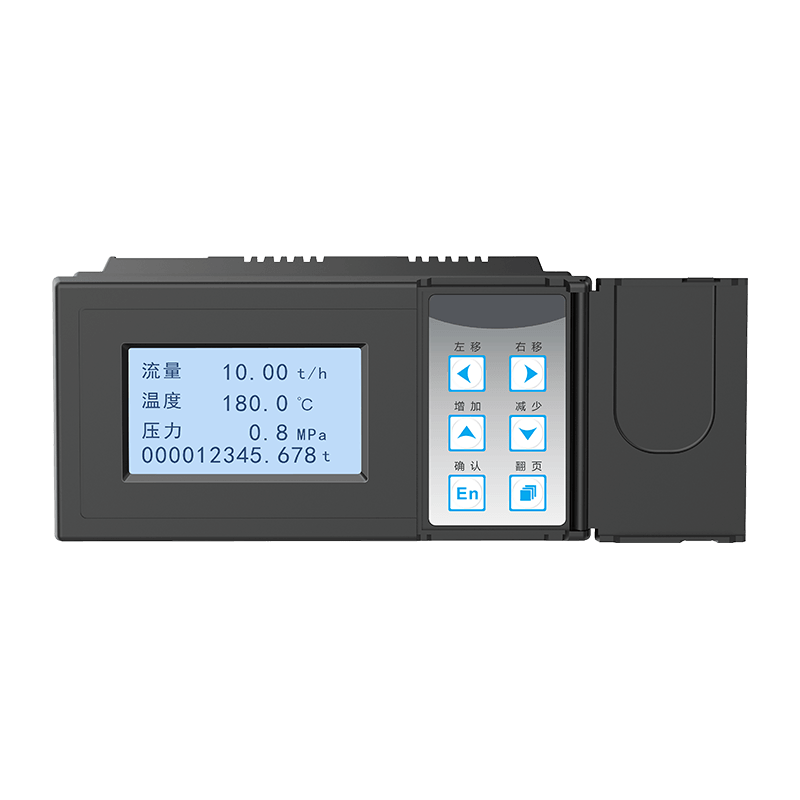
Flow measurement instruments are one of the most important categories in industrial automation because accurate flow information directly influences production efficiency and operational safety. These devices measure the movement of liquids or gases and provide essential data for monitoring and control processes. As a key part of industrial flow measurement equipment, modern flow instruments support both simple observation tasks and advanced closed-loop automation systems.
The core technical features of flow measurement solutions include high measurement accuracy, stable operation, digital communication capability, and compatibility with different industrial environments. In open-loop applications, flow instruments mainly provide status information for operators. In closed-loop applications, measurement data becomes the foundation for automatic adjustment, allowing valves, pumps, and other devices to maintain optimized operation.
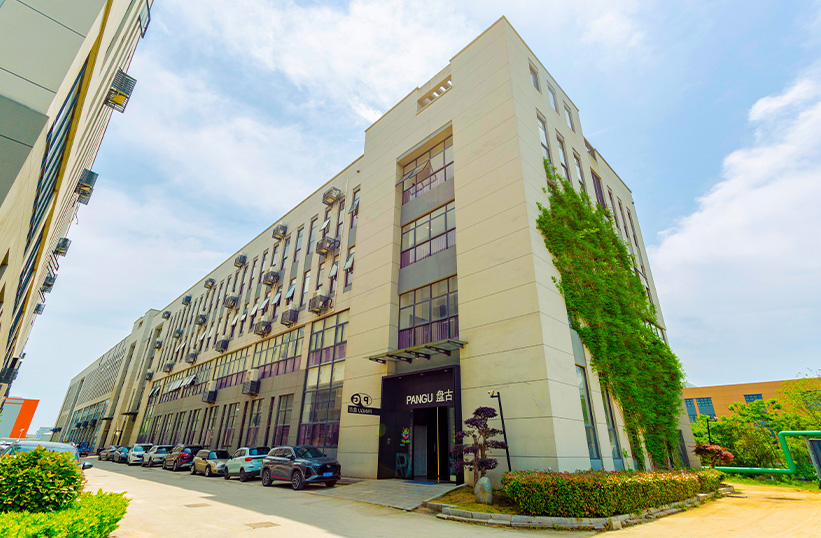
Hangzhou Pangu Automation System Co., Ltd. has developed extensive experience in industrial measurement technology since its establishment in 2001. The company focuses on providing reliable automation products and has formed mature manufacturing processes, strict quality management procedures, and responsive technical support systems. Its production facilities include intelligent SMT high-speed surface mount lines and fully automated DN15-DN1000 high-precision water flow calibration devices, supporting consistent performance of flow measurement products.
Application Advantages of Flow Measurement Solutions
- Provide continuous process monitoring for industrial pipelines.
- Support intelligent automation through accurate feedback signals.
- Improve resource management in energy and environmental applications.
Thermal Energy Measurement Instrument Series
Thermal energy measurement instruments are designed to monitor heat transfer processes and improve energy utilization efficiency. They are commonly used in heating systems, industrial energy networks, and large-scale facility management. Unlike basic monitoring devices, thermal measurement solutions often require higher integration with control systems because energy optimization depends on continuous data collection and adjustment.
The technical characteristics of this category include reliable temperature monitoring, stable operation under changing conditions, and integration with automation platforms. By combining sensors, communication functions, and control technologies, these instruments help users understand energy consumption patterns and improve system efficiency. Within process control equipment solutions, thermal energy instruments provide important support for sustainable industrial operation.
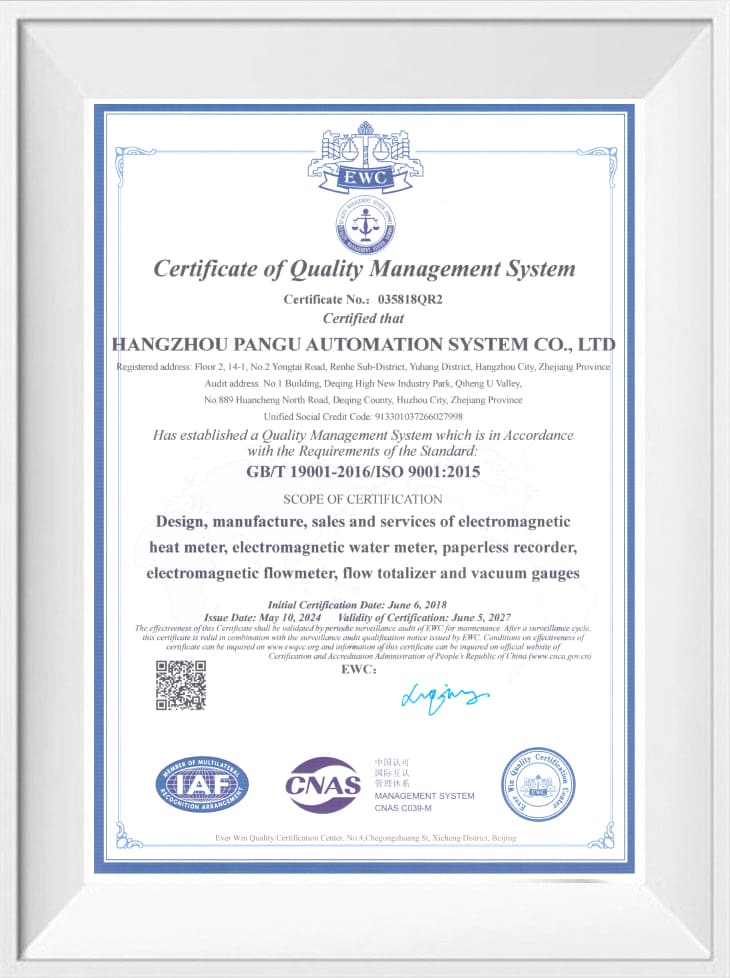
Hangzhou Pangu Automation System Co., Ltd. provides measurement solutions covering flow, thermal energy, and vacuum applications. Through advanced technologies and strict production management, the company delivers instruments designed for industrial reliability. Its quality control system covers raw material inspection, semi-finished product assembly, calibration, and final shipment inspection, ensuring every product meets operational requirements.
Differences from Flow Measurement Products
While flow measurement instruments focus on tracking fluid movement, thermal energy instruments emphasize energy transfer monitoring. Thermal solutions are more closely connected with efficiency management and automatic regulation. They are especially valuable in applications where reducing energy waste and maintaining stable operating conditions are major objectives.
Vacuum Measurement Instrument Series
Vacuum measurement instruments are specialized devices used to monitor pressure conditions in industrial systems where controlled vacuum environments are necessary. These instruments are widely applied in manufacturing processes, environmental systems, and other applications requiring stable pressure management. Their role is to provide accurate information that allows control systems to maintain proper operating conditions.
Compared with other measurement categories, vacuum instruments require strong environmental adaptability and stable sensing performance. They are often integrated into closed-loop systems because pressure conditions can change quickly during operation. Reliable process control instrumentation helps ensure that vacuum-related processes remain safe and efficient.
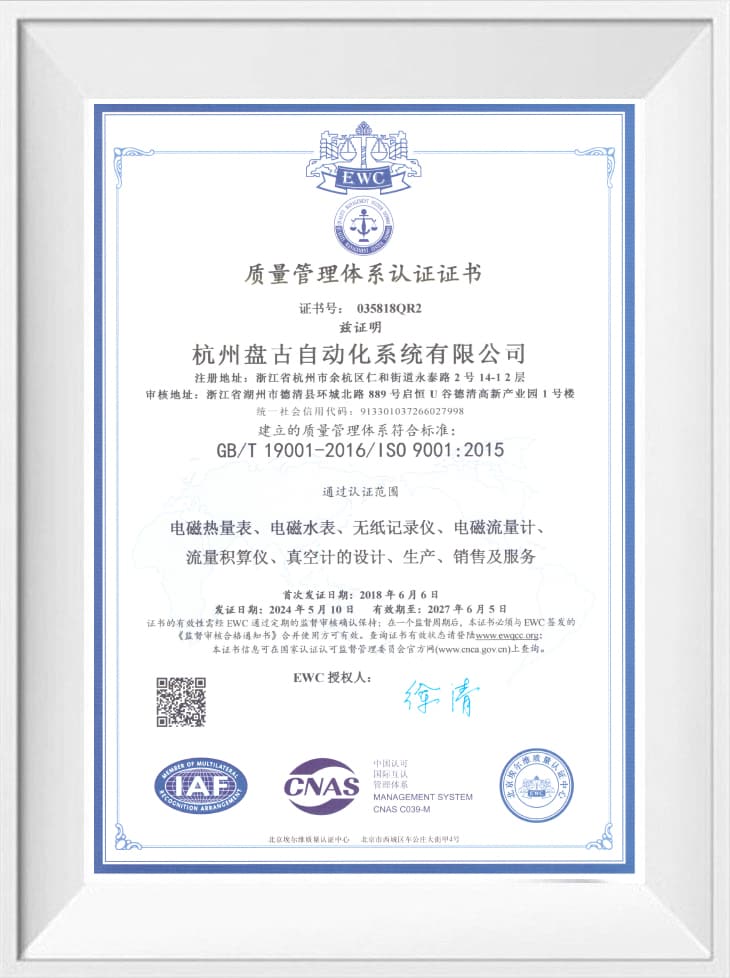
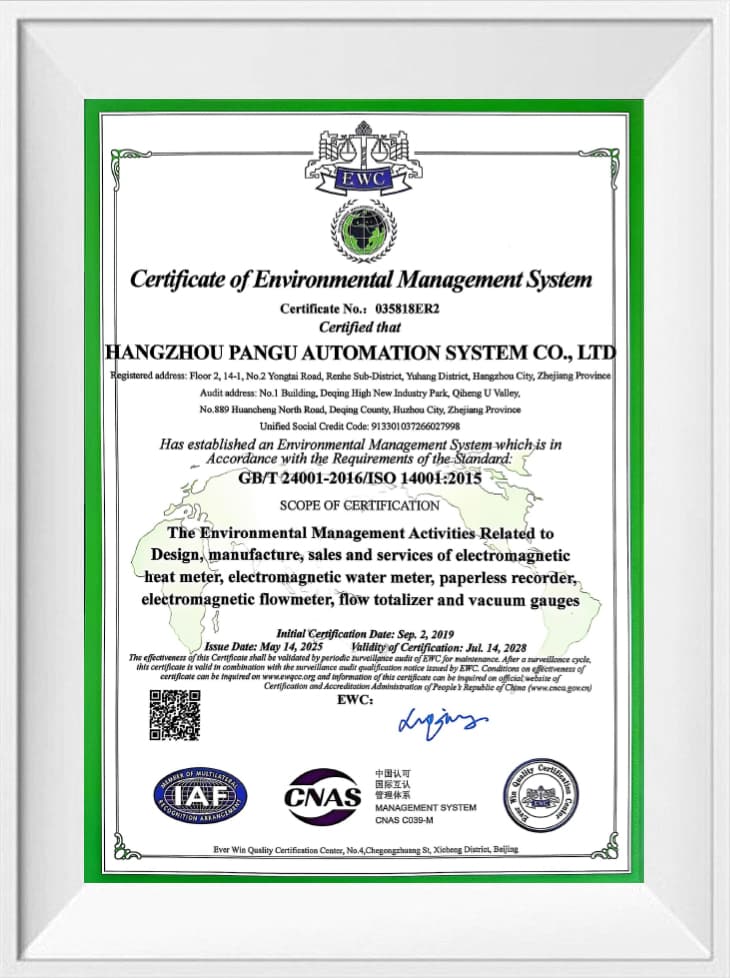
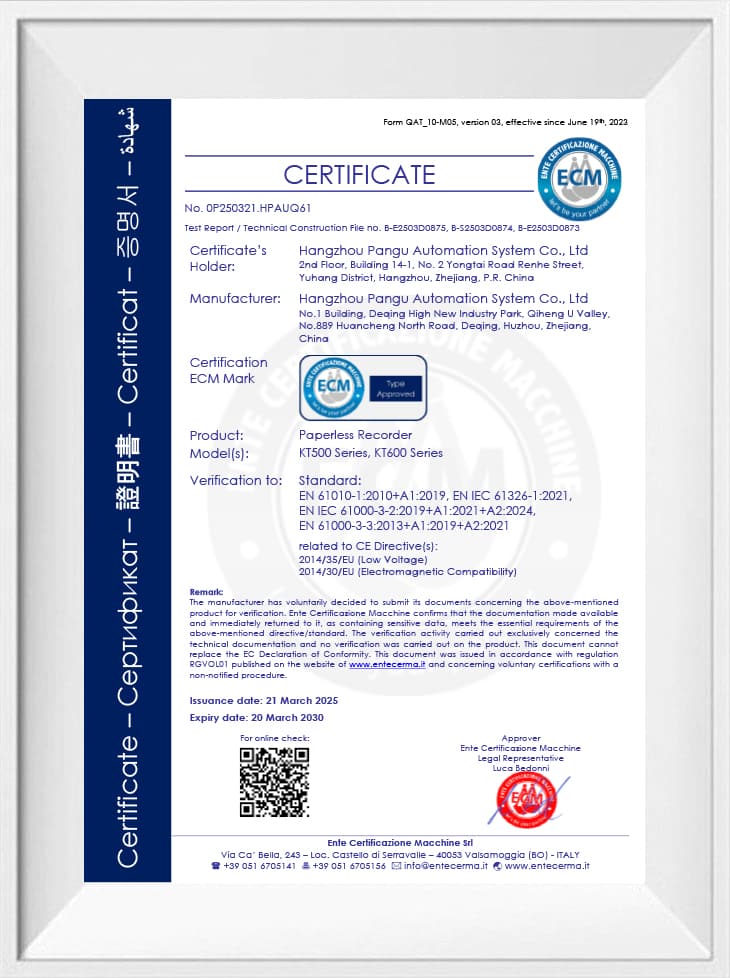
Hangzhou Pangu Automation System Co., Ltd. continuously improves product technology through industrial application experience and innovation. The company has obtained multiple management system certifications and has established advanced production environments. With more than 20 years of industry experience, Pangu provides technical support and after-sales services that help customers build safer and more efficient automation systems.
How to Select Between Open-loop and Closed-loop Solutions
Choosing between open-loop and closed-loop control depends on process requirements, accuracy expectations, environmental changes, and automation goals. Open-loop systems are appropriate for simple applications with stable conditions, while closed-loop systems are better suited for complex industrial environments requiring continuous adjustment.
Modern industries increasingly prefer integrated solutions that combine measurement, communication, and control capabilities. By selecting suitable process control equipment, companies can improve production reliability and achieve smarter operation management.
Frequently Asked Questions
Q1: What is the main difference between open-loop and closed-loop control systems?
An open-loop system operates according to preset commands without feedback, while a closed-loop system uses measurement data to automatically adjust performance and maintain stable operation.
Q2: Why is process control instrumentation important in industrial automation?
Process control instrumentation provides accurate monitoring and control information, helping industries improve efficiency, safety, and operational stability.
Q3: Which product category is suitable for monitoring industrial pipelines?
Flow measurement instrument series products are commonly used for pipeline monitoring because they provide reliable flow data for both basic observation and automated control.
Q4: How does Hangzhou Pangu Automation System Co., Ltd. support industrial customers?
Hangzhou Pangu Automation System Co., Ltd. provides advanced measurement solutions, strict quality control, technical support, and comprehensive after-sales services to help customers achieve reliable automation performance.



