 Read More
 Get A Quote

Applications of Paperless Recorders in Industrial Automation
Home / News / Industry News / Applications of Paperless Recorders in Industrial Automation
Product Category
NEW Category
Contact us
Contact Us
We specialise in the research, development and manufacture of electrical wires and cables.
 +86 13967196545
Related News
- Synergizing Pangu Electromagnetic Flowmeters with Paperless Recorders: Precision Flow Control and Tamper-Proof Data Integrity
- Over Two Decades of Industrial Excellence: Pangu Automation Builds Quality Foundation with Comprehensive Certifications
- Solving Flow Measurement Failures: High-Precision Electromagnetic Flowmeter for Harsh Industrial Applications
- The Critical Role of Flow Measurement in Modern Industrial Operations
Applications of Paperless Recorders in Industrial Automation
1. What is a Paperless Recorder?
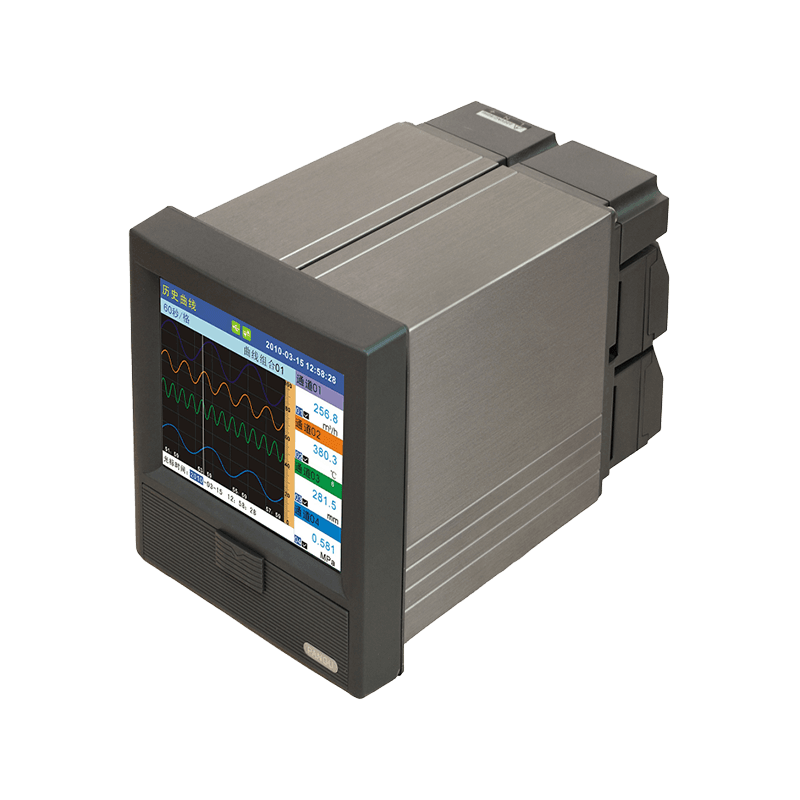
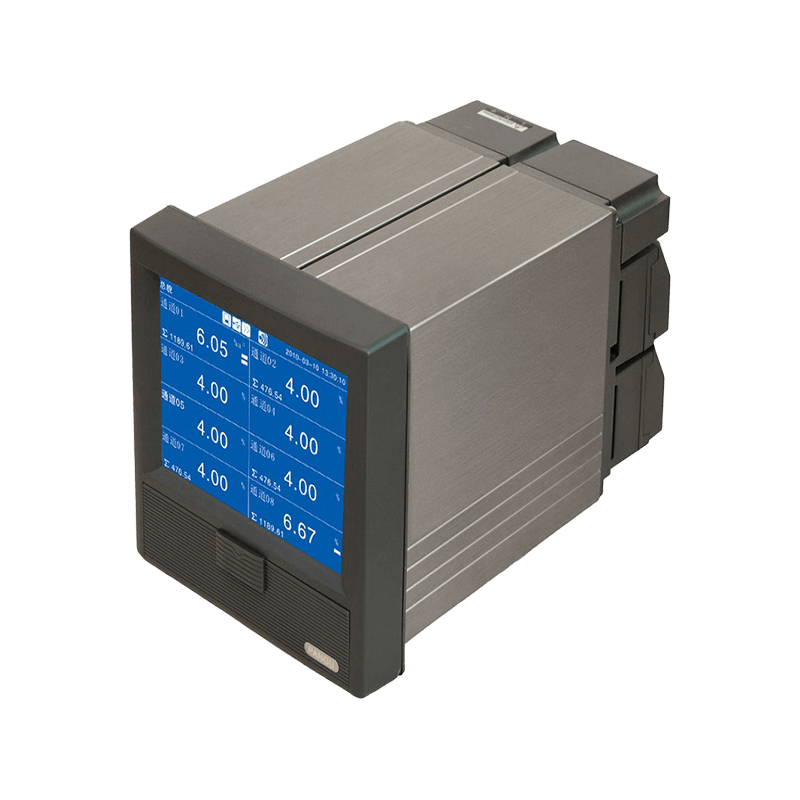
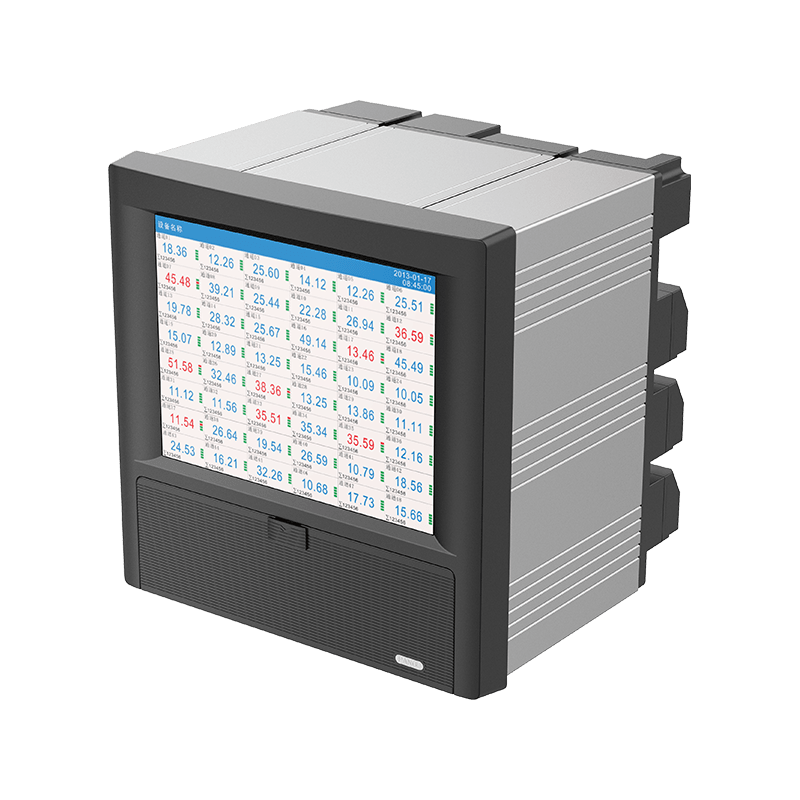
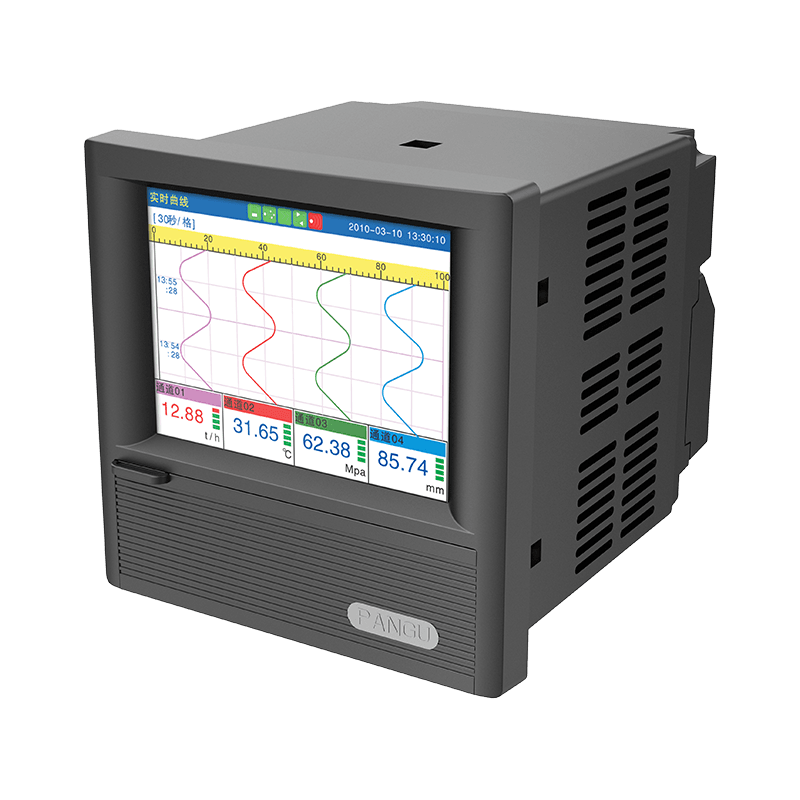
A Paperless Recorder (also widely known as a paperless data logger or graphic process recorder) is an advanced electronic instrument that integrates signal acquisition, real-time display, secure data storage, alarm logic, and network connectivity. Unlike traditional mechanical chart recorders that rely on physical paper rolls and ink ribbons, modern paperless recorders store high-accuracy sensor data (such as temperature, pressure, flow rate, level, voltage, and humidity) directly onto internal flash memory, SD cards, or USB drives, displaying dynamic curves on high-resolution TFT color screens.
As manufacturing industries shift toward Industry 4.0, smart manufacturing, and strict ESG/carbon-neutral standards, paperless recorders have fundamentally replaced mechanical recorders to serve as primary data acquisition (DAQ) nodes in modern SCADA and MES architectures.
2. Key Industrial Applications Deep Dive
Thanks to multi-channel flexibility, high noise immunity, and precise data logging, paperless recorders are essential across industries requiring strict compliance, traceability, and operational stability:
2.1 Heat Treatment & Metallurgy Industry
Core Requirement:Precise multi-point thermal monitoring, continuous logging, and strict temperature curve compliance.
Application Scenario:Installed on annealing furnaces, quenchinglines, and vacuum ovens to monitor multi- zone temperatures simultaneously. The recorder generates real-time thermal trend curves to guarantee that heating, soaking, and cooling phases adhere precisely to metallurgical specifications (e.g., CQI-9 and AMS 2750 pyrometry standards).
Value Delivered:Eliminates manual recording errors, provides verifiable heat treatment logs, and ensures smooth customer audit compliance.
2.2 Fine Chemical & Petrochemical Processing
Core Requirement:Explosion-proof reliability, multi-parameter monitoring, and continuous long-term stability.
Application Scenario:Reactors, distillation columns, and tank farmsrequire simultaneous monitoring of temperature, pressure, liquid level, and flow. The paperless recorder aggregates signals over RS485/Modbus networks and triggers immediate relay alarms when pressure or temperature thresholds are breached.
Value Delivered: Features high galvanic isolation and robust EMC resistance, maintaining high system availability in harsh, hazardous environments.
2.3 Bio-Pharmaceuticals & Life Sciences
Core Requirement: Tamper-proof dataintegrity complying with FDA 21 CFR Part 11 and GMP regulations.
Application Scenario:Deployedin cold storage rooms, stability chambers, autoclaves, and freeze-dryers (lyophilizers).
Value Delivered:Built-in multi-level user privilege management, electronic signatures, and unalterable audit trails. Exported data files are encrypted, guaranteeing 100% data integrity during regulatory compliance audits.
2.4 Food & Beverage Processing
Core Requirement: Thermal sterilization process validation and environmentalcondition tracking.
Application Scenario:Retort sterilizers and pasteurization systemsrequire real-time calculation of sterilization value (F0value). Advanced paperless recorders feature pre-programmed algorithms to compute F0 or P0 values on-the-fly, verifying sterilization efficacy.
Value Delivered:Elevates food safety quality assurance and eliminates batch losses caused by under- sterilization or thermal degradation.
2.5 Water & Wastewater Management
Core Requirement: Totalized flowmeasurement, distributed multi-node tracking, and remote telemetry.
Application Scenario:Inmunicipal wastewater plants and industrial discharge outlets, recorders connect to pH meters, turbidity sensors, conductivity probes, and ultrasonic flowmeters to log water quality parameters and totalized effluent volume.
Value Delivered:Equipped with Ethernet, Modbus TCP, allowing direct data sync to cloud platforms or environmental protection monitoring servers.
3. Key Technical Advantages Over Traditional Recorders
Zero Consumable Costs &MinimalMaintenance: Completely eliminates ongoing paper rolls, pens, and ribbon replacements, while removing mechanical wear and tear.
UniversalInput Flexibility: Supports universal multi-channel inputs (thermocouples, RTDs like Pt100, 4-20mA, 0-10V) without requiring additional signal conditioners or transmitters.
Versatile Visualizations:Featuresinteractive displays including trend curves, digital readouts, bar graphs, circular charts, and historical alarm logs.
Seamless Connectivity &SystemIntegration:Protocols like Modbus RTU/TCP, Ethernet, and USB allow effortless integration into PLC, DCS, HMI, and cloud-based MES/SCADA networks.
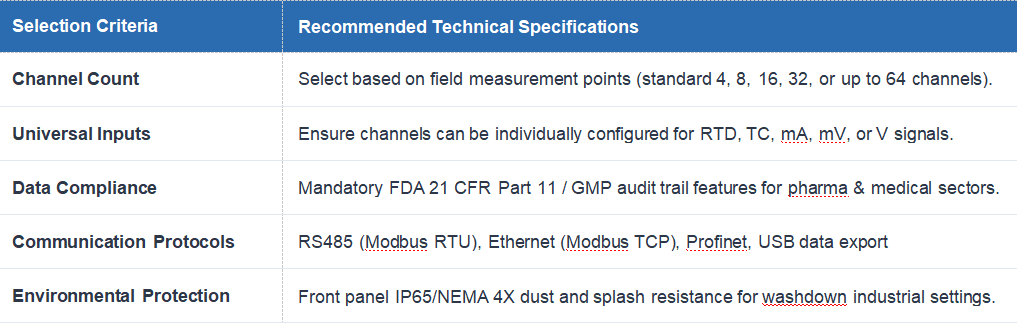
4.Technical Selection Matrix for IndustrialPaperless Recorders
5. Conclusion & Future Outlook
Modern paperless recorders are far more than replacement instruments for legacy chart devices—they serve as crucial Edge Data Nodes driving industrial digital transformation. By turning real-time physical parameters into actionable visual insights and secure digital records, paperless recorders empower plant operators to optimize energy consumption, maintain process quality, and achieve total operational compliance.
PREV:Electromagnetic Flow Meter vs. Vortex Flow Meter: Principles, Differences, and Selection Guide
NEXT:Magnetic Flow Meter Showing Reading with No Flow? Don't Rush to Replace It!
NEXT:Magnetic Flow Meter Showing Reading with No Flow? Don't Rush to Replace It!
Interested in cooperation or have questions?
Contact Us Now!
Kelly

+86 13967196545

pangusales@vip.163.com
Production Base:

Building 1 and Building 42, No. 889 Huancheng North Road, Deqing County, Huzhou City, Zhejiang Province
Jiji
+86 15397010616
pgsalesjiji@vip.163.com

+86-0571-87770830
Corporate Headquarters:
602-702, Block D, Building 3, Area B,Xigang New Territories, 206 Zhenhua Road,Hangzhou City, Zhejiang Province, China

Copyright © Hangzhou Pangu Automation System Co., Ltd. Rights Reserved.
Custom Digital Panel Mount Industrial Instruments Suppliers
