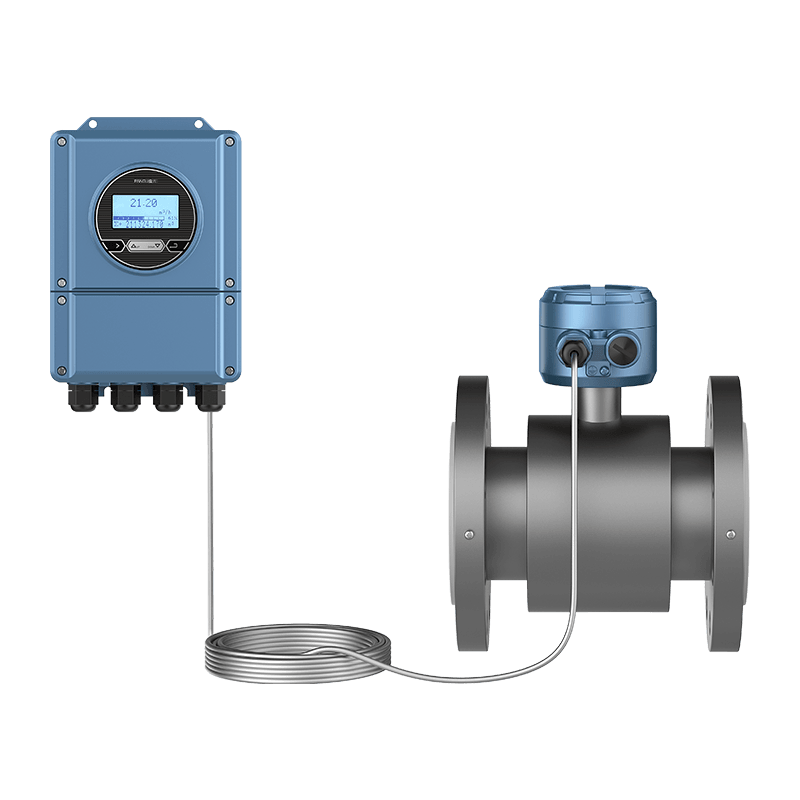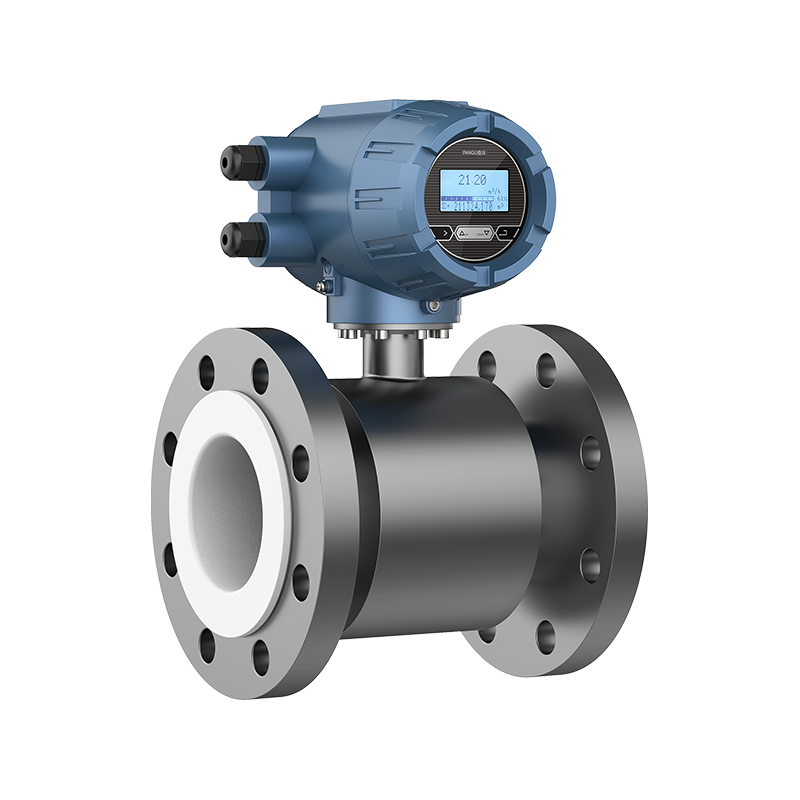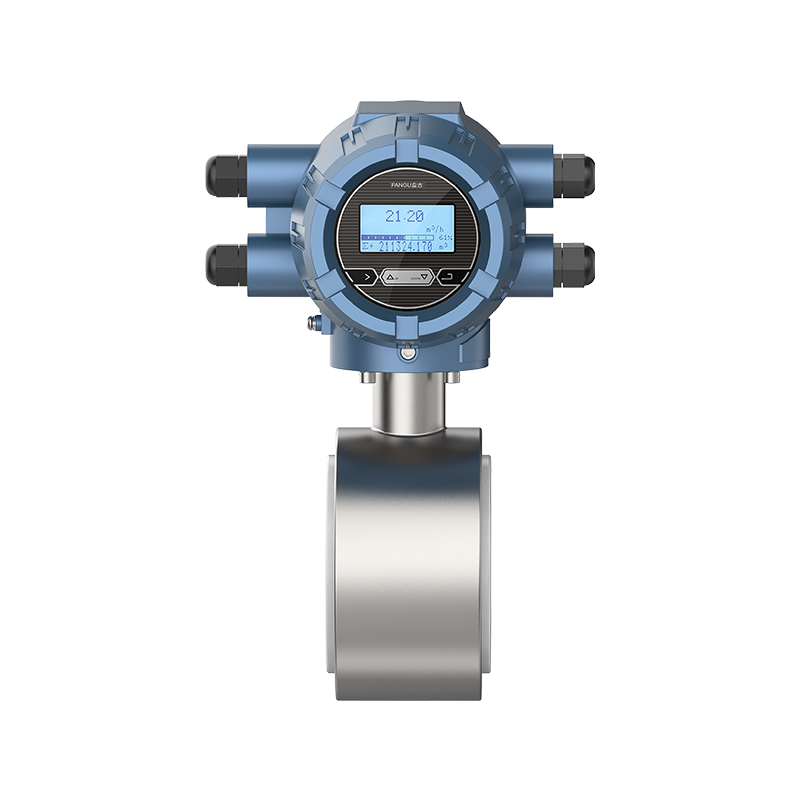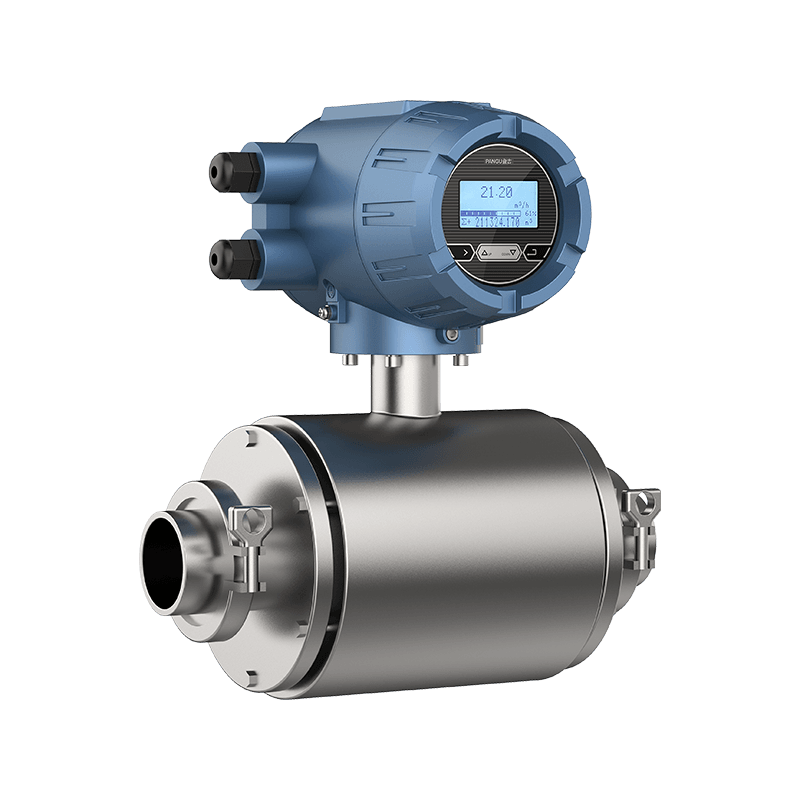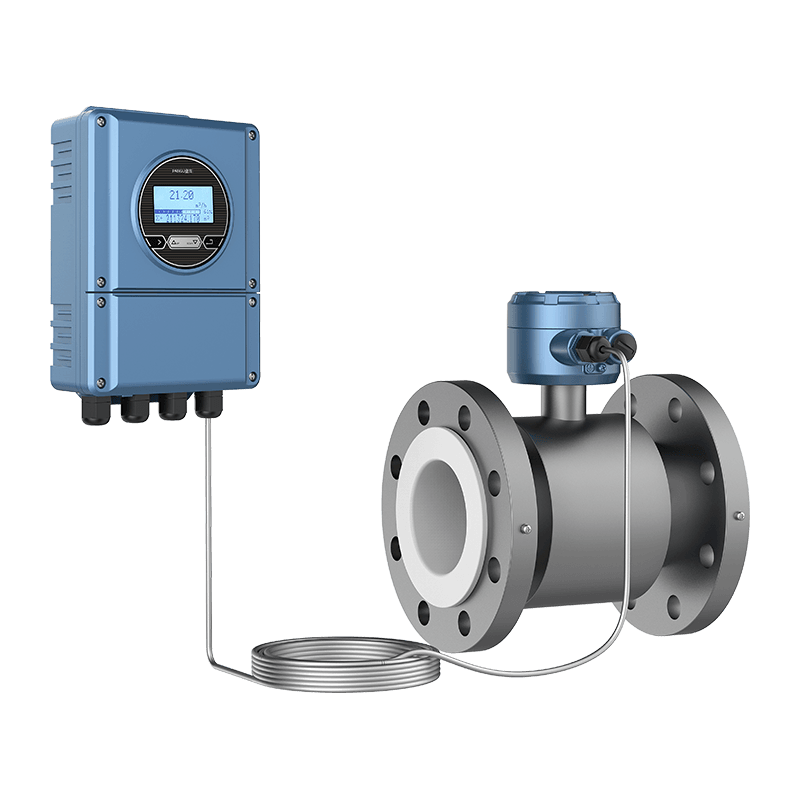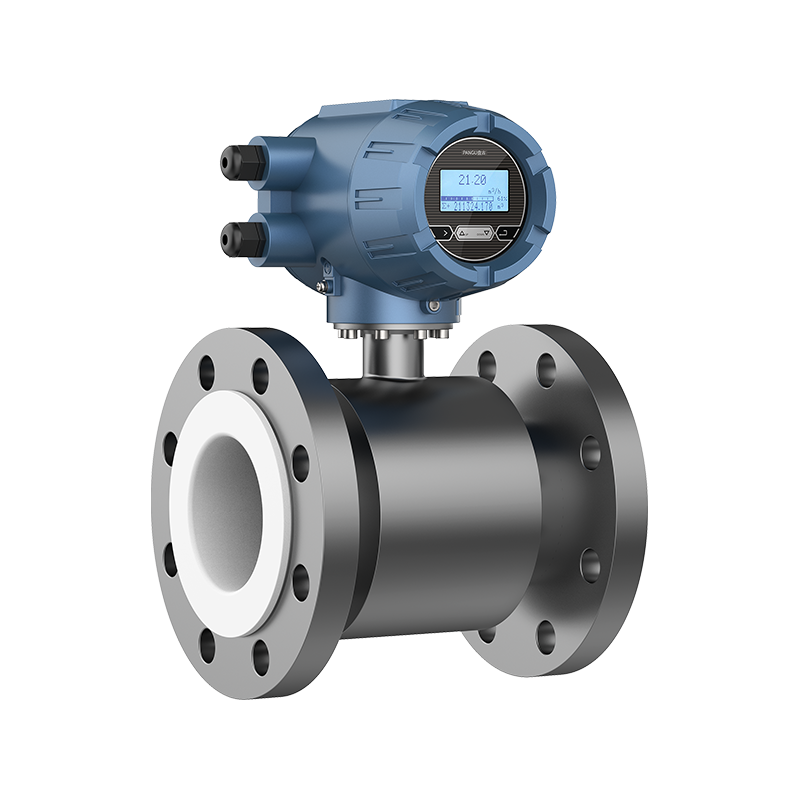
Explosion-Proof Flowmeter: Intended for flow measurement in hazardous industrial areas where explosion protection is required. The applicable protection certification and installation conditions should be matched to the operating environment.
Get a Quote →An Explosion-Proof Flowmeter is an industrial flow measurement instrument designed for use in environments where flammable gases, vapors, or combustible substances may create an explosion risk. Its primary role is to measure the flow of process media while incorporating protective construction and electrical design intended for the specified hazardous-area conditions. Depending on the meter type and configuration, it can be used to monitor liquid flow in industrial pipelines and provide measurement signals to control systems, recorders, or other process equipment.
Explosion protection is a configuration-specific characteristic rather than a universal feature of every flowmeter. The applicable protection method, certification, gas or dust group, temperature class, ambient conditions, and installation requirements must be checked against the actual instrument documentation and the hazardous-area classification of the site. When selecting an explosion-proof flowmeter, buyers should evaluate both its measurement suitability and its compliance with the requirements of the intended installation.
Explosion protection focuses on preventing an instrument from becoming an ignition source under its approved operating conditions. The protection design must correspond to the hazardous atmosphere and the installation zone. Buyers should not assume that a general industrial enclosure or a high ingress-protection rating provides explosion protection.
Confirm the protection concept stated on the product nameplate and certification documents. Different protection methods have different construction, wiring, and maintenance requirements.
Check whether the instrument is approved for the gas or dust atmosphere and the zone or division in which it will be installed.
Verify the permitted temperature class and ambient temperature range against the process conditions and the surrounding environment.
Cable entries, glands, terminals, grounding, and wiring practices must follow the instrument approval and applicable site regulations.
Explosion protection does not define the measurement principle. The appropriate flowmeter technology depends on the medium, conductivity, flow range, pipe arrangement, process pressure, temperature, and required measurement accuracy. The selected meter must meet both the process measurement requirements and the hazardous-area approval conditions.
For liquid applications, evaluate whether the medium is conductive, whether it contains suspended solids, and whether its operating conditions are compatible with the sensor construction. For other media, confirm that the proposed meter technology is specifically designed for that service.
Identify liquid composition, conductivity where relevant, solids content, viscosity, and potential corrosion concerns.
Provide nominal pipe size, connection type, installation orientation, pressure, and available straight pipe sections.
Specify normal, minimum, and maximum flow rates together with process temperature and pressure.
Confirm the required signal, communication protocol, power supply, and connection to the plant control or monitoring system.
Certification details determine where and under what conditions an explosion-proof flowmeter may be installed. Requirements vary by country, regulatory framework, and hazardous-area classification. Procurement teams should request the actual documents for the proposed model and verify that the approval covers the complete instrument configuration.
Review the complete marking on the nameplate, including the protection method, equipment group, category or zone suitability, temperature classification, and any special conditions of use.
Check the certificate number, issuing body, applicable standards, validity status where relevant, and the exact model or product family covered.
Obtain instructions covering mounting, wiring, grounding, cable entries, operating limits, inspection, and restrictions that apply to the approved protection design.
Confirm that the sensor, converter, enclosure, cable glands, accessories, and other supplied components are consistent with the certified configuration.
A certificate for one model or component should not be treated as approval for every instrument in the same product range. Request documentation matching the exact model, options, and intended installation.
Installation should be carried out by qualified personnel familiar with the site's hazardous-area requirements. The mechanical position of the flow sensor and the integrity of electrical protection both affect the suitability of the completed installation.
Maintenance planning should address measurement performance as well as the continued integrity of the explosion-protection features. Inspection intervals and procedures depend on the instrument approval, operating environment, site risk assessment, and applicable regulations.
Check for external damage, corrosion, loose fittings, abnormal process conditions, and visible deterioration of the enclosure or cable entries.
Review flow readings, output signals, alarms, and diagnostic information. Investigate unexpected deviations against the process conditions and instrument records.
Follow the manufacturer's instructions for opening, inspection, repair, and replacement. Work on explosion-protected equipment must be performed by appropriately qualified personnel.
Verify that seals, fasteners, cable entries, covers, and other protection-related parts are correctly restored before returning the instrument to service.
Explosion-proof flowmeters may be considered in process areas where flammable substances or combustible atmospheres are present and flow measurement is required. Suitability must be established for each installation rather than inferred from the industry name alone.
Monitoring compatible process liquids in production, transfer, and storage areas classified as hazardous.
Flow measurement in relevant transfer and processing systems where the area classification and meter approval are compatible.
Use in associated liquid process lines where hazardous-area protection and the selected measurement technology meet the service requirements.
Monitoring liquid movement in designated loading, unloading, and storage operations with suitable instrument approvals.
Measuring compatible liquids in production environments where solvent vapors may influence the hazardous-area classification.
Potential use in other facilities when the medium, operating conditions, protection marking, and installation requirements are verified.
A clear technical inquiry helps the supplier assess whether a proposed flowmeter can meet both the measurement and explosion-protection requirements. Buyers should provide process data and hazardous-area information together, rather than specifying only the nominal pipe size or the term explosion-proof.
| Information | Details to Confirm | Why It Matters |
|---|---|---|
| Measured medium | Medium name, composition, conductivity where applicable, and solids content | Determines measurement technology and material compatibility |
| Pipeline data | Pipe size, connection, material, pressure, and installation position | Supports sensor sizing and mechanical configuration |
| Flow conditions | Minimum, normal, and maximum flow; process temperature | Helps assess the measurement range and operating limits |
| Hazardous-area details | Zone or division, gas or dust group, temperature class, and ambient range | Establishes the required explosion-protection suitability |
| Electrical requirements | Power supply, output signal, communication, cable entry, and wiring needs | Ensures compatibility with the control and monitoring system |
| Compliance documents | Required certification system, standards, and project documentation | Allows review against local regulations and project specifications |
It is a flow measurement instrument designed and approved for specified hazardous-area conditions. Its protection design helps prevent the instrument from becoming an ignition source when installed and operated within the conditions stated in its certification and instructions.
No. Each instrument has defined protection markings and permitted operating conditions. The hazardous-area classification, gas or dust group, temperature class, and installation requirements must match the product approval.
No. IP ratings describe protection against the ingress of solids and water under specified test conditions. They do not establish explosion-protection approval. The relevant hazardous-area certification must be verified separately.
That depends on the measuring principle and sensor configuration. Medium conductivity, viscosity, solids content, corrosiveness, pressure, and temperature should be reviewed before selecting a suitable model.
Provide the applicable zone or division, gas or dust group, temperature class, ambient temperature range, and any project-specific certification requirements. The site classification should be supplied by the responsible project or safety personnel.
Request the explosion-protection certificate and product marking details applicable to the exact model and configuration. Installation instructions, technical specifications, and any required conformity documents should also be reviewed.
This depends on the flowmeter design and the approval of the complete system. For remote or split configurations, confirm the permitted sensor-transmitter arrangement, cable requirements, and hazardous-area restrictions with the manufacturer.
Available outputs depend on the model and its certified configuration. Buyers should specify the required analog, pulse, or communication interface and verify that the selected option is included in the approved instrument arrangement.
Outdoor use depends on the instrument's ambient temperature range, enclosure rating, corrosion resistance, weather exposure, and hazardous-area approval. These conditions should be checked together before installation.
Check that the enclosure, seals, fasteners, cable entries, grounding, and other protection-related components have been restored according to the manufacturer's instructions. Confirm measurement operation and complete any required inspection before returning the instrument to service.

Hangzhou Pangu Automation System Co., Ltd. is professional China wholesale Explosion-Proof Flowmeter manufacturers and Explosion-Proof Flowmeter suppliers, with strict quality control and years of industrial application experience.
 Aging Chamber
 High-Speed Chip Mounter
 Glue Dispensing Machine
 Potting Process
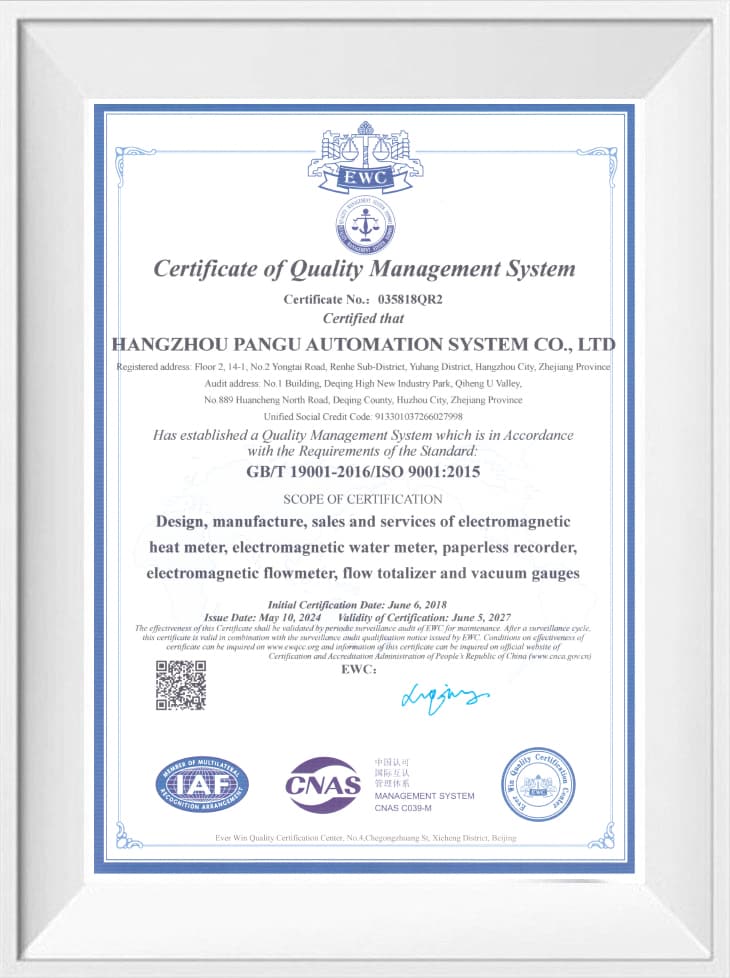 Quality Management System Certification
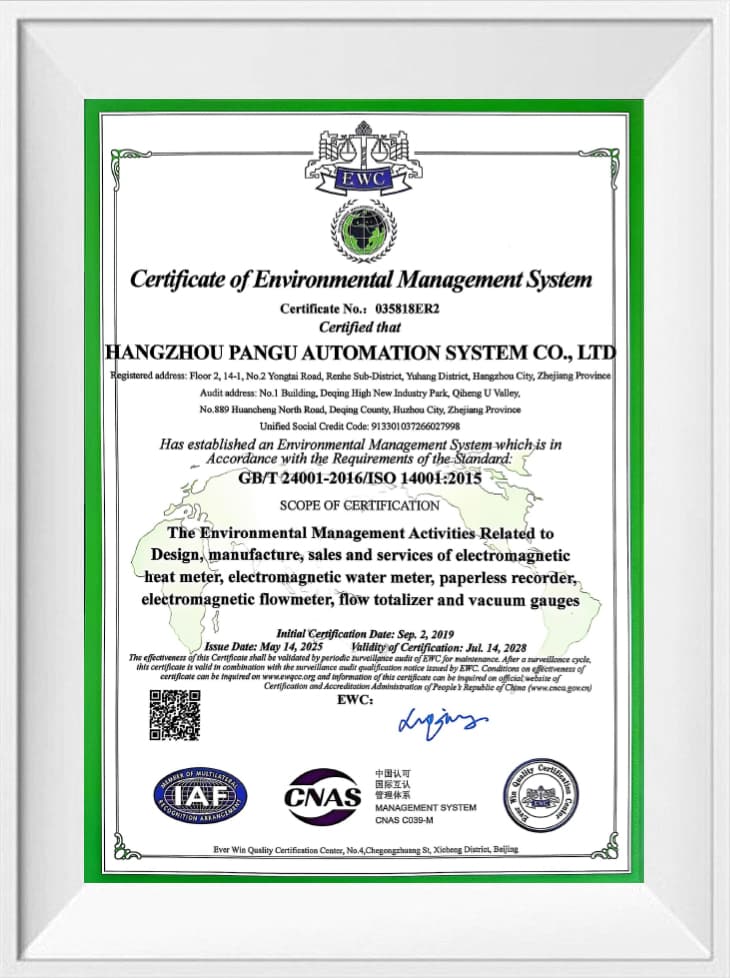 Environmental Management System Certification
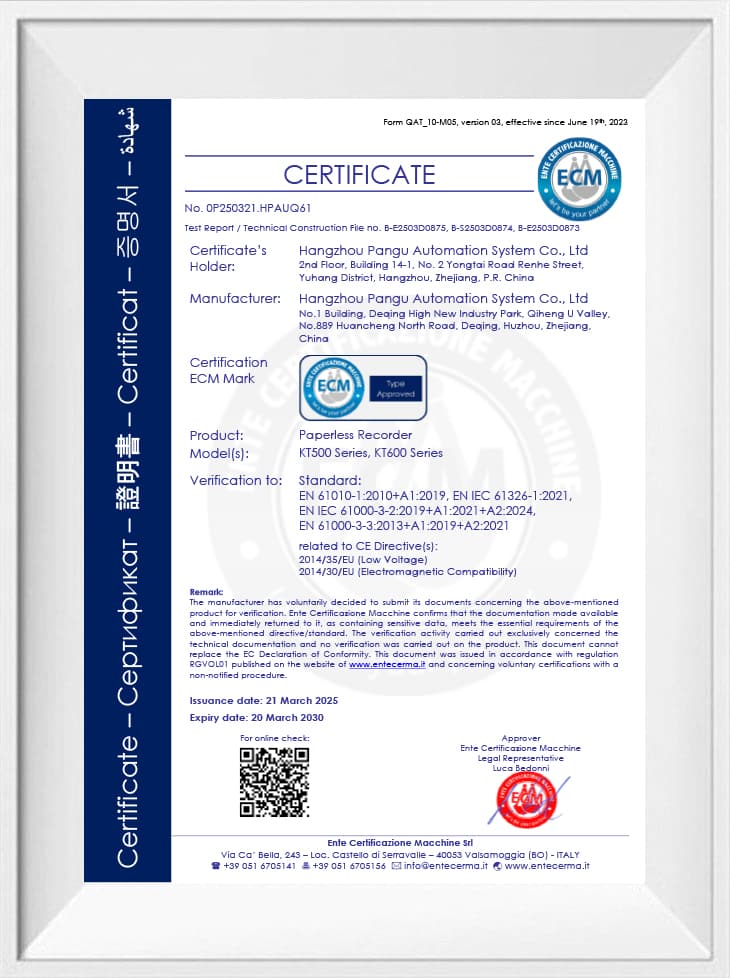 CE Certificate
 SIL Certificate
Yes. Send us your requirements and we will propose a solution.
Standard models ship quickly; custom orders depend on quantity.
Tell us your requirements and our engineers will reply promptly.
✉pangusales@vip.163.com
☎+86 13967196545
⚑602-702, Block D, Building 3, Area B,Xigang New Territories, 206 Zhenhua Road,Hangzhou City, Zhejiang Province, China