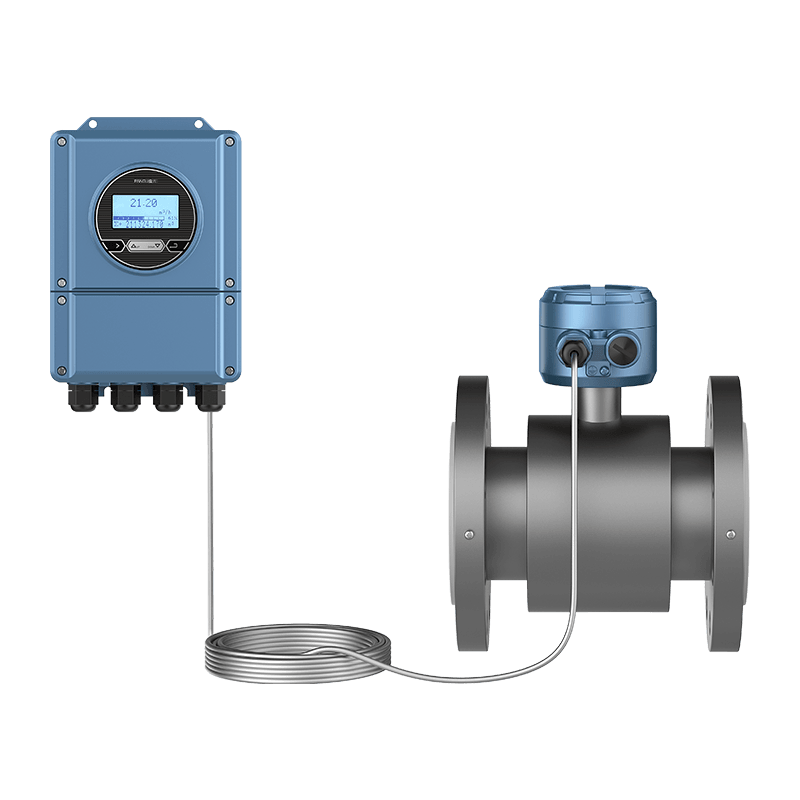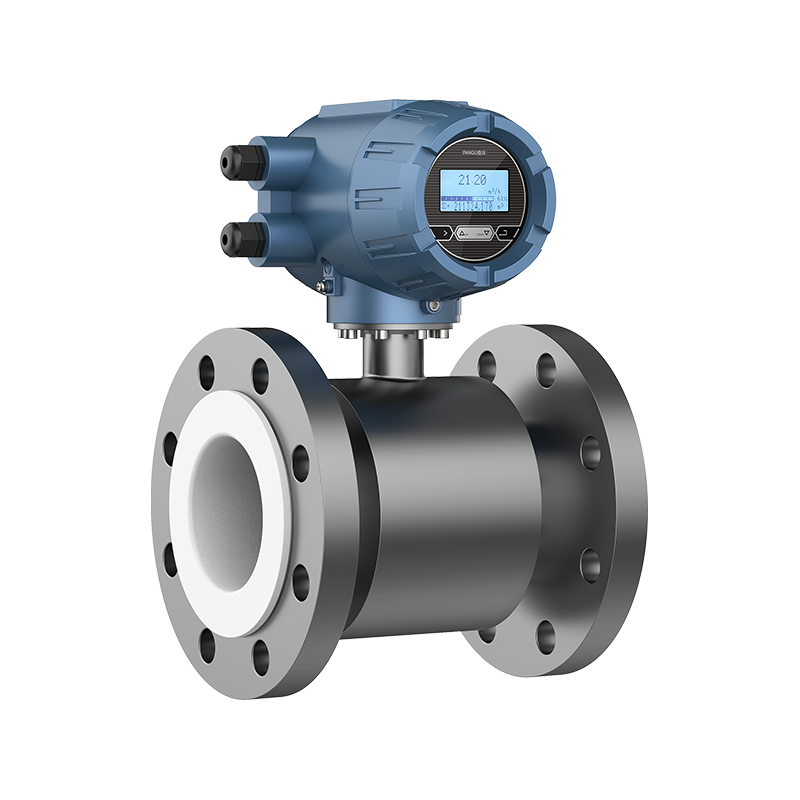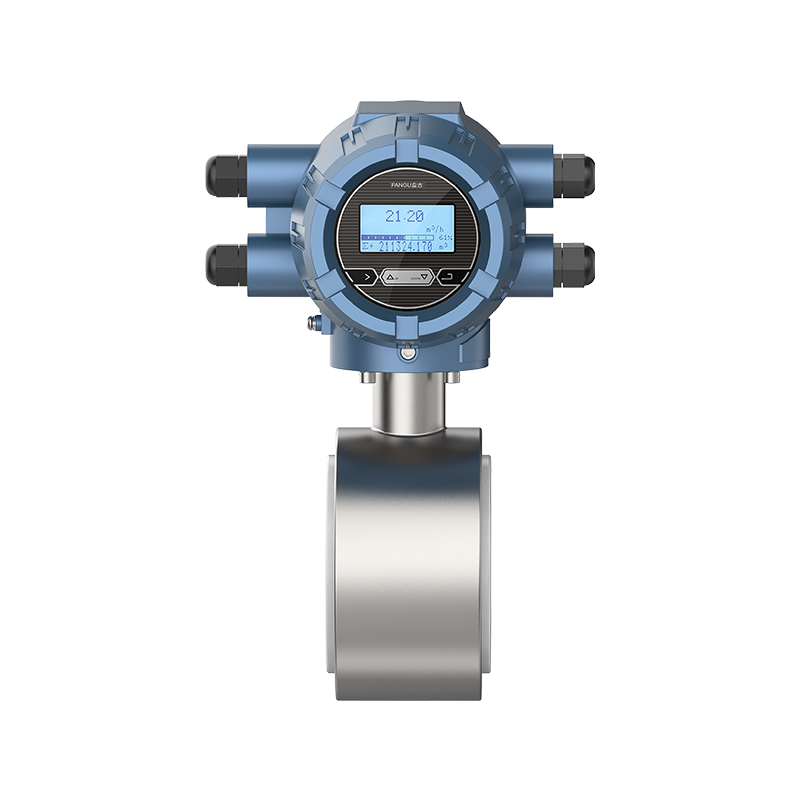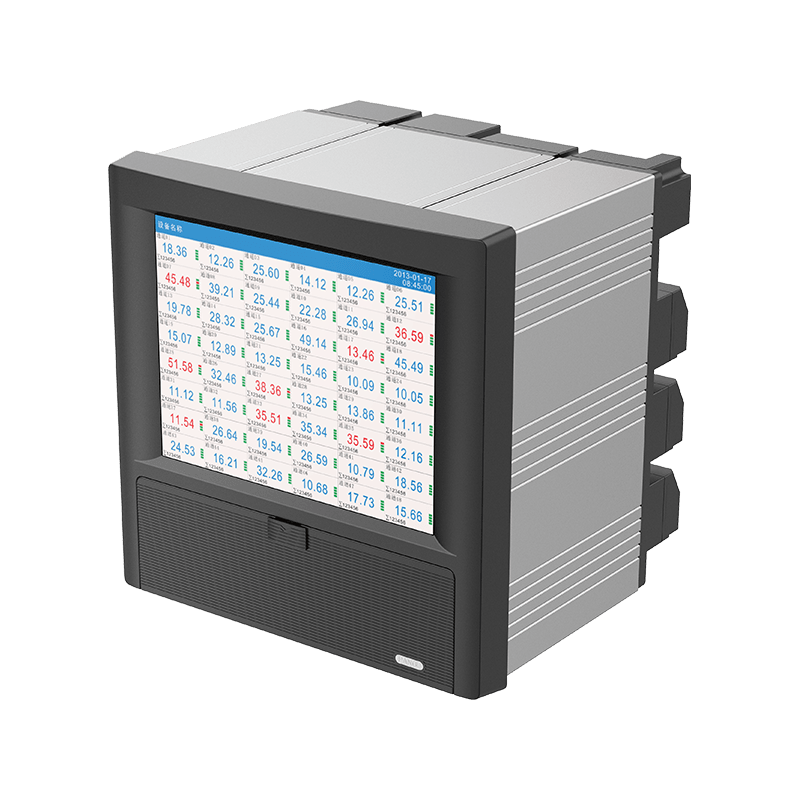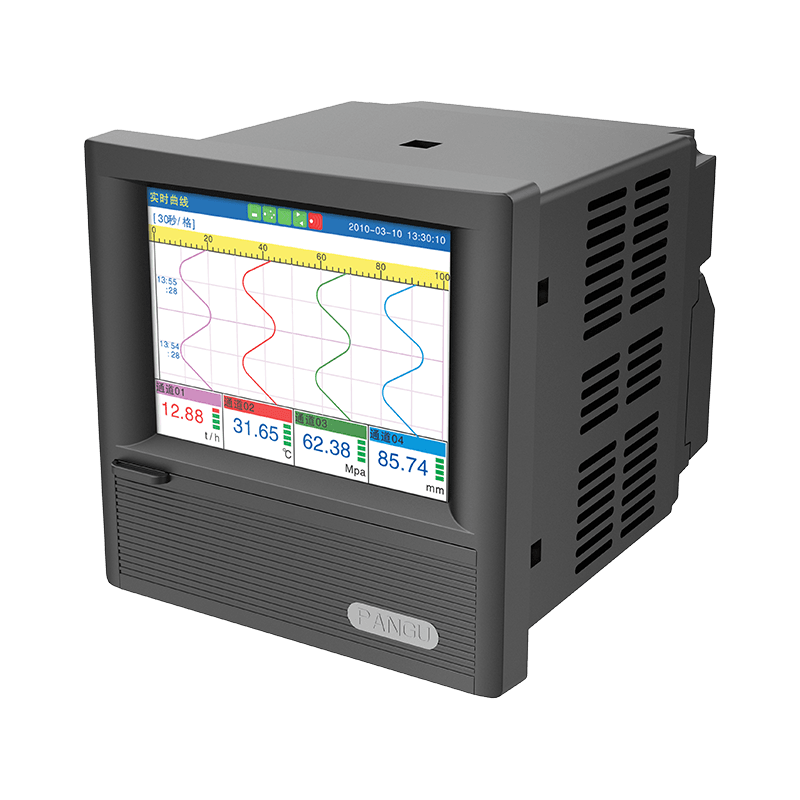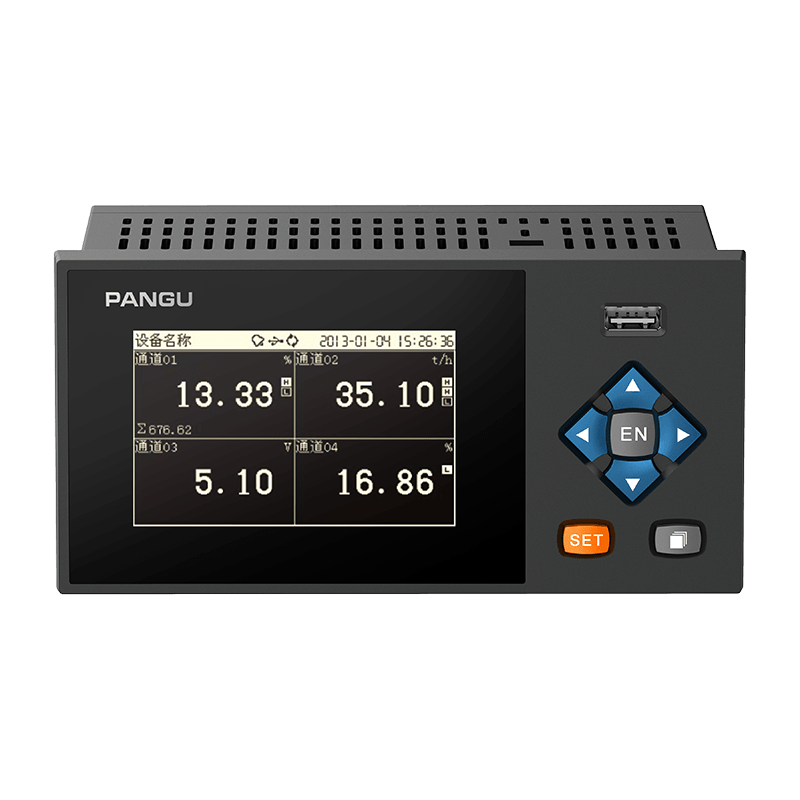
4-20mA Output Flowmeter: Provides an analog signal for transmitting flow measurement data to compatible control systems, PLCs, indicators and other industrial monitoring equipment.
Get a Quote →A 4-20mA Output Flowmeter is a flow measurement instrument that transmits its measured value through a standardized analog current signal. It is commonly used in industrial automation systems where flow data needs to be transferred to PLCs, distributed control systems, panel meters or other compatible receiving equipment.
The 4-20mA output allows the receiving system to interpret flow measurements over an electrical signal loop. Depending on the flow meter and transmitter configuration, the output can be assigned to a defined measurement range and used alongside other available functions, such as pulse output or digital communication. The actual output options, wiring requirements and measurement capabilities should be confirmed for each model.
The current output represents the configured flow measurement range and provides a continuous signal for external monitoring and control.
Corresponds to the configured lower measurement limit.
Corresponds to the configured upper measurement limit.
The transmitter maps the selected flow range to the analog output. The receiving instrument must use the same configured range to display or process the measurement correctly.
Analog current transmission supports straightforward connection to compatible industrial instruments. Correct matching of the output and receiving input is essential for reliable data acquisition.
Detects the process flow according to the instrument's measurement principle.
Converts the measurement into the configured 4-20mA output signal.
Reads the current signal through a compatible analog input channel.
Displays, records or processes the flow information for plant operation.
The receiving equipment must support the selected current input and comply with the transmitter's electrical requirements. Loop power, input resistance, grounding and wiring arrangement should be checked against the relevant manuals.
Provides a continuously varying current signal corresponding to the configured measurement value, suitable for real-time process monitoring.
Can connect to compatible analog input modules and measurement devices without requiring a dedicated digital communication network.
The output range can be associated with the transmitter's configured flow range where the instrument supports range adjustment.
Allows flow information to be incorporated into plant monitoring, recording and control processes through compatible equipment.
Different output types serve different system requirements. The most appropriate configuration depends on how flow data will be collected and used.
| Output type | Signal function | Typical receiving equipment | Selection consideration |
|---|---|---|---|
| 4-20mA | Continuous analog representation of a configured measurement value | PLC, DCS, analog panel meter | Confirm input compatibility and range scaling. |
| Pulse | Pulse signals associated with measured volume or configured flow increments | Counter, totalizer, compatible controller | Check pulse weighting, frequency limits and input type. |
| Digital Communication | Data exchange and device information through a supported protocol | Compatible host system or communication interface | Verify protocol support and system integration requirements. |
These output options are not necessarily available together on every flow meter. Confirm the actual transmitter configuration before placing an order.
The analog output does not determine which fluid a flow meter can measure. The sensing technology and instrument construction must match the process.
Identify whether the medium is clean liquid, wastewater, slurry or another process fluid. For electromagnetic meters, liquid conductivity and material compatibility are important selection factors.
Provide the normal, minimum and maximum flow rates. The selected meter range should support the actual operating conditions and the required measurement resolution.
Check nominal diameter, connection type, available straight pipe length, flow direction and installation position. These details can affect instrument suitability and measurement performance.
Review process pressure, fluid temperature, ambient temperature, enclosure protection and any special environmental requirements against the model specifications.
Signal-loop configuration should be reviewed as part of instrument installation rather than treated as a separate control-system task.
Do not assume that all 4-20mA transmitters use the same terminal arrangement or loop power method. Incorrect wiring or an unsuitable receiving input can prevent accurate signal acquisition or damage connected equipment.
| Observed condition | Possible inspection area | Recommended check |
|---|---|---|
| Signal is absent | Power supply, wiring, terminal connections or transmitter status | Check the loop circuit and verify the transmitter is powered and operating. |
| Reading is unstable | Electrical interference, grounding, loose wiring or process fluctuation | Inspect cable routing, connections and actual process conditions. |
| Displayed flow is incorrect | Range scaling, output assignment or receiving input configuration | Compare transmitter settings with the receiving system configuration. |
| Signal remains near one end of the range | Flow conditions, configured range or instrument fault status | Check the actual process flow and review the transmitter's diagnostic information. |
Troubleshooting should follow the instrument manual and site safety procedures. A signal condition alone is not sufficient to identify a specific transmitter fault.
Clear procurement information helps determine the suitable flow meter body, transmitter and output configuration.
Fluid name, conductivity where applicable, suspended solids and material compatibility requirements.
Normal, minimum and maximum flow rates, operating pressure and fluid temperature.
Pipe diameter, connection standard, installation location and mounting requirements.
Power supply, 4-20mA output arrangement, cable entry and receiving equipment details.
Pulse output, communication protocol, display, totalization or other required functions.
Required certificates, inspection records, wiring diagrams, manuals and delivery requirements.
It is a flow measurement instrument that transmits a measured value through a 4-20mA analog current signal. The signal can be read by compatible control and monitoring equipment.
Compatible PLC analog input modules, distributed control systems, panel meters and data acquisition equipment can receive the signal, provided their electrical input specifications match the transmitter.
It commonly represents a configured flow measurement value. The exact variable and measurement range depend on the transmitter's output assignment and configuration.
Some models support multiple output functions, but availability depends on the transmitter design. Confirm the required combination and terminal arrangement for the selected model.
Current-loop transmission is commonly used in industrial installations over cable distances permitted by the transmitter's electrical specifications. Cable resistance, loop voltage, interference and receiving input requirements should be considered.
An active output provides the loop current from the transmitter, while a passive output requires an external loop supply. The correct connection method must be confirmed from the product wiring diagram.
Many transmitters allow the analog output to be assigned to a selected measurement range. The available adjustment method and limits vary by model and should be checked in the instrument manual.
A mismatch may result from different range settings, incorrect analog input scaling, wiring problems or signal configuration. Compare the transmitter settings and PLC input parameters before changing the measurement range.
No. The output standard describes signal transmission, not the accuracy of the complete measurement system. Accuracy depends on the meter design, operating conditions, calibration and signal processing.
Check liquid conductivity, pipe diameter, flow range, lining and electrode material, pressure, temperature, power supply and output configuration. Confirm that the selected model supports the process conditions and required signal interface.

Hangzhou Pangu Automation System Co., Ltd. is professional China wholesale 4-20mA Output Flowmeter manufacturers and 4-20mA Output Flowmeter suppliers, with strict quality control and years of industrial application experience.
 Aging Chamber
 High-Speed Chip Mounter
 Glue Dispensing Machine
 Potting Process
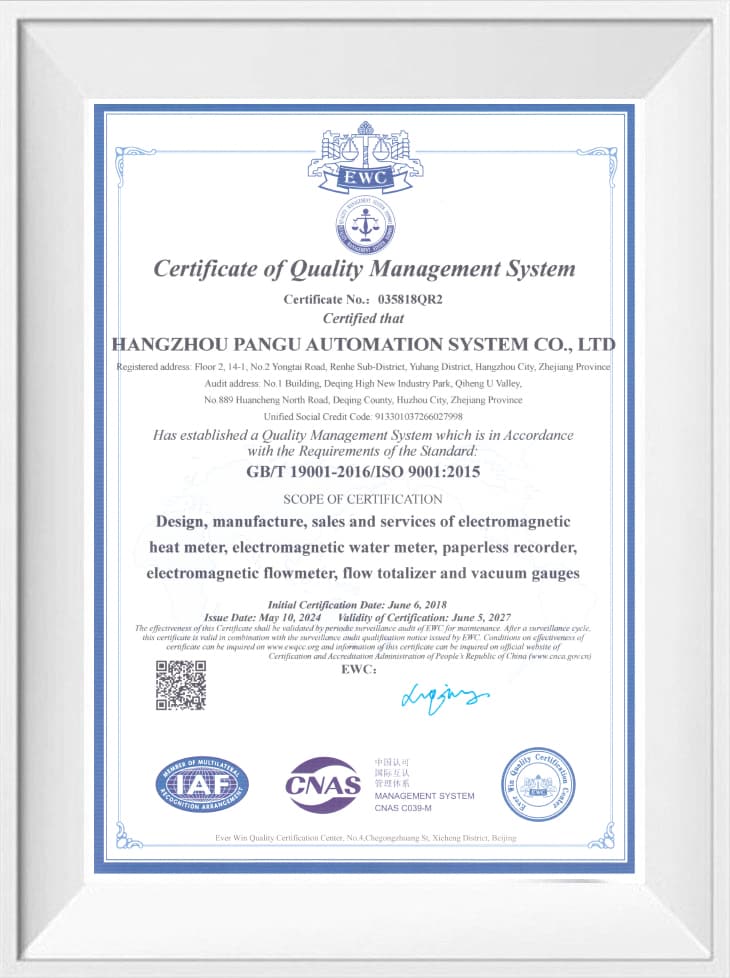 Quality Management System Certification
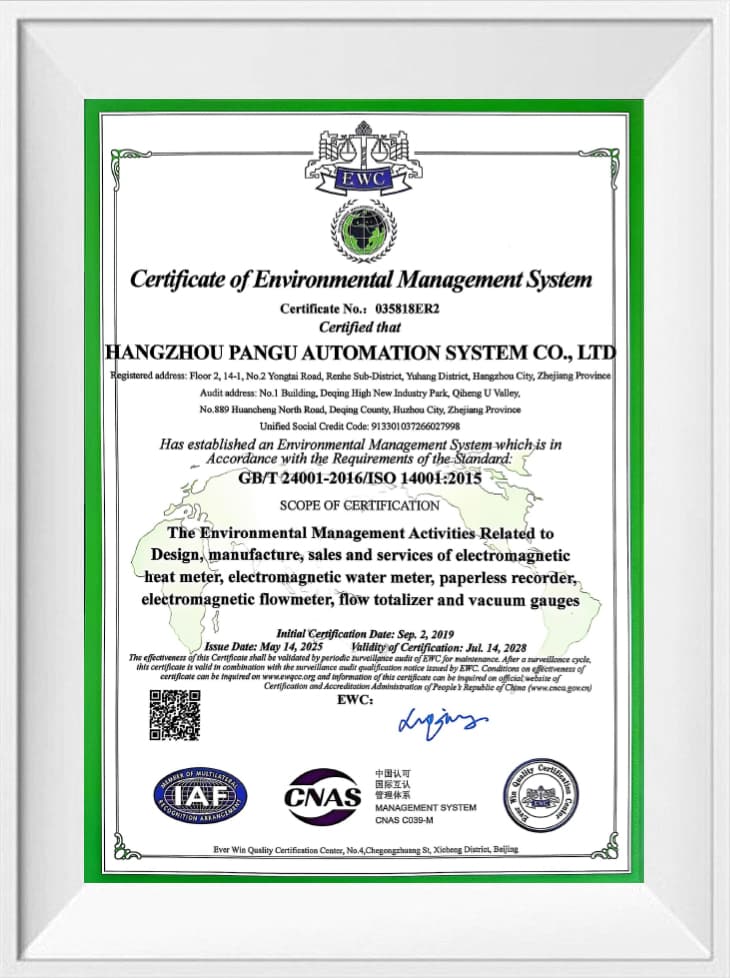 Environmental Management System Certification
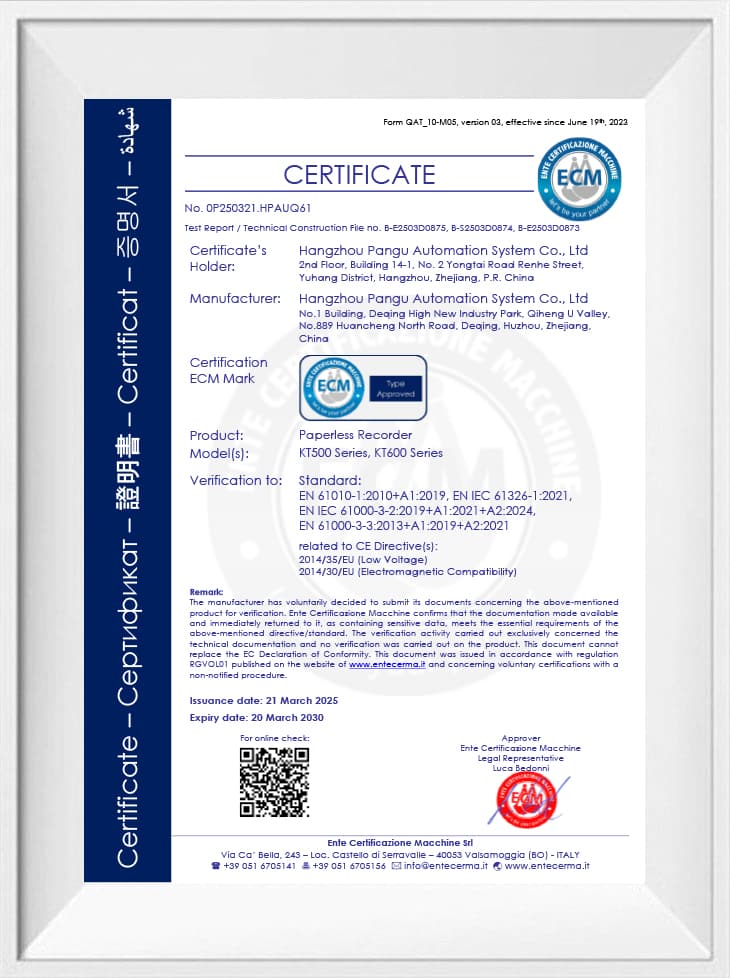 CE Certificate
 SIL Certificate
Yes. Send us your requirements and we will propose a solution.
Standard models ship quickly; custom orders depend on quantity.
Tell us your requirements and our engineers will reply promptly.
✉pangusales@vip.163.com
☎+86 13967196545
⚑602-702, Block D, Building 3, Area B,Xigang New Territories, 206 Zhenhua Road,Hangzhou City, Zhejiang Province, China