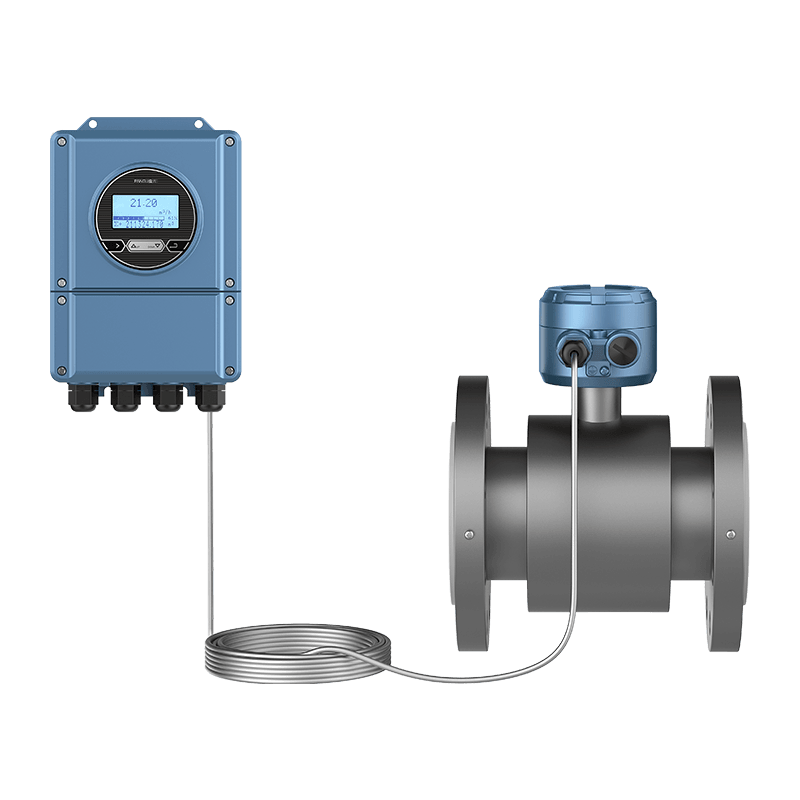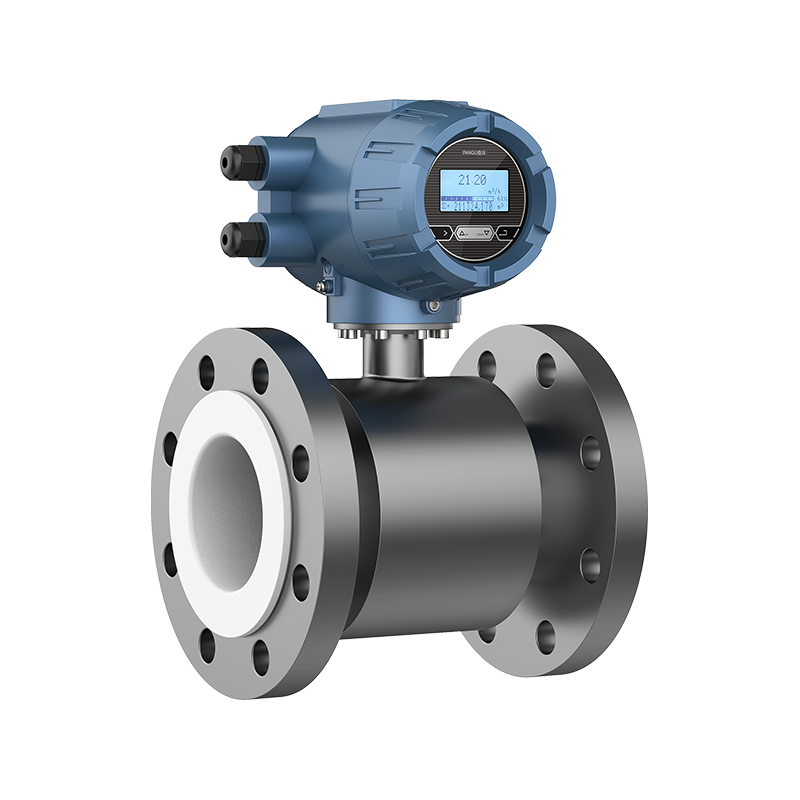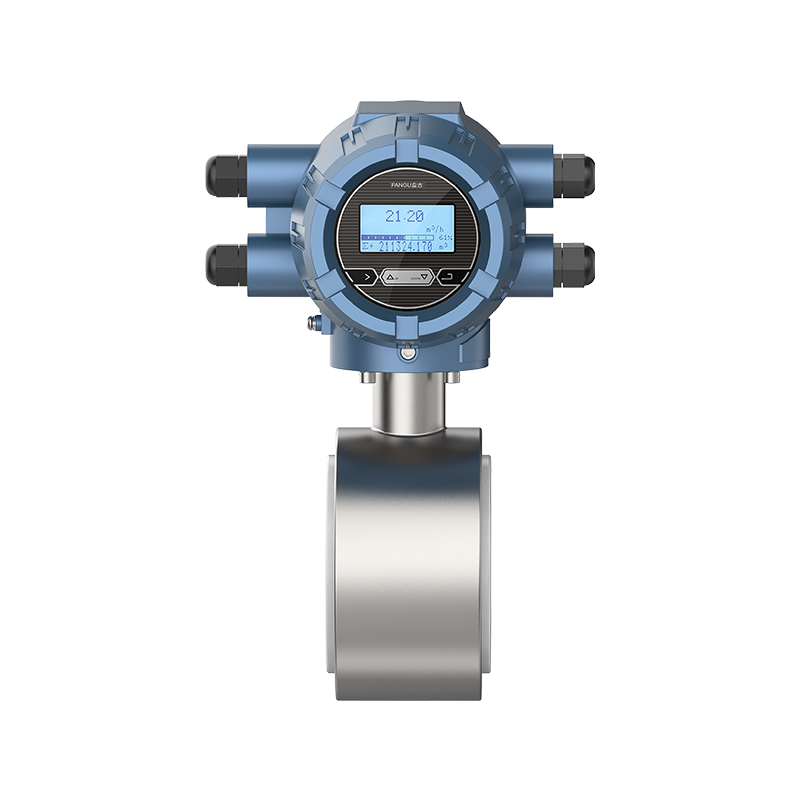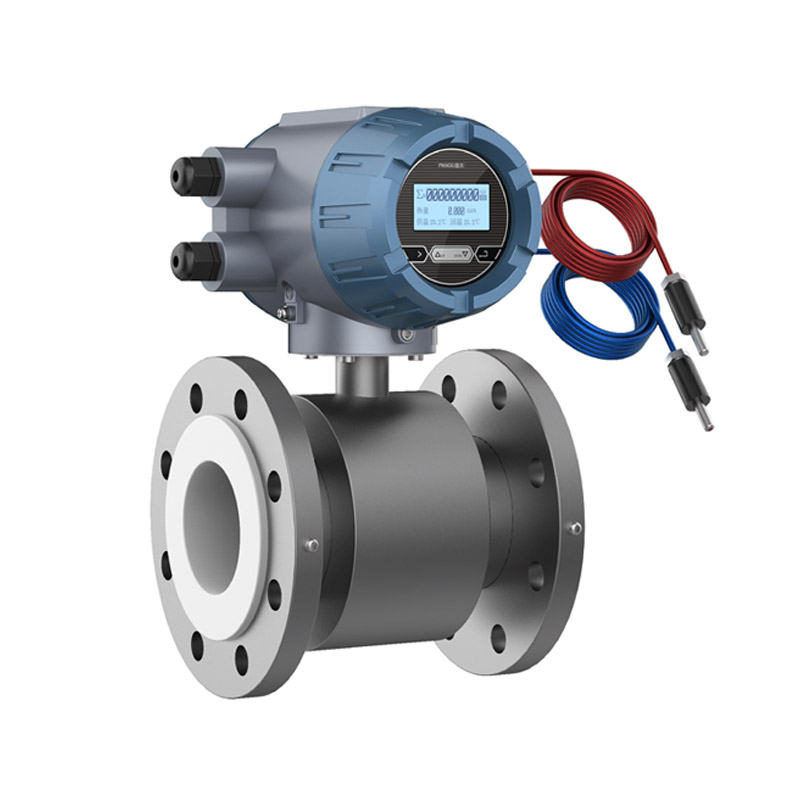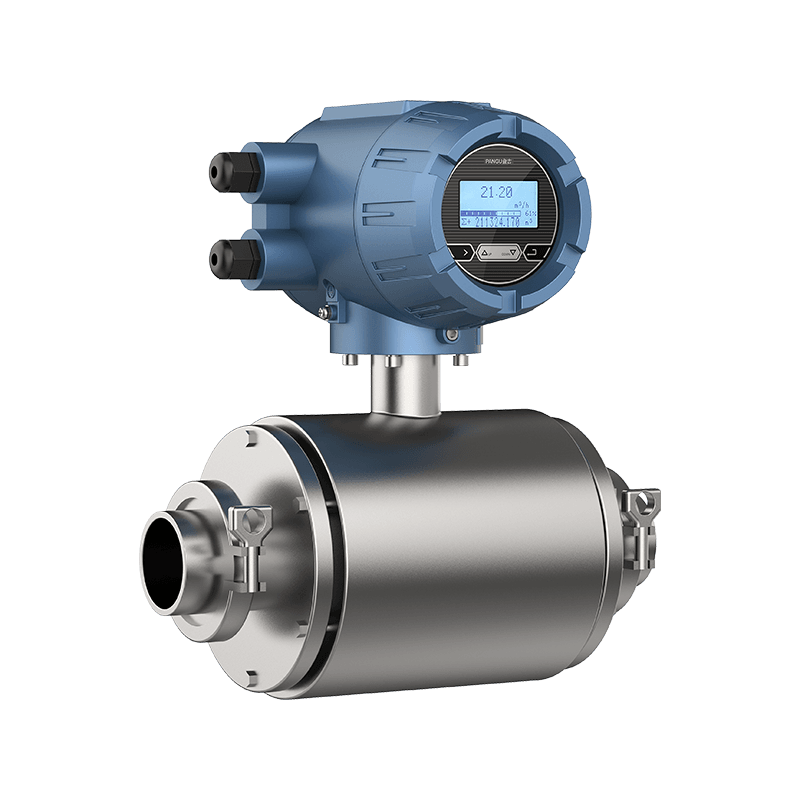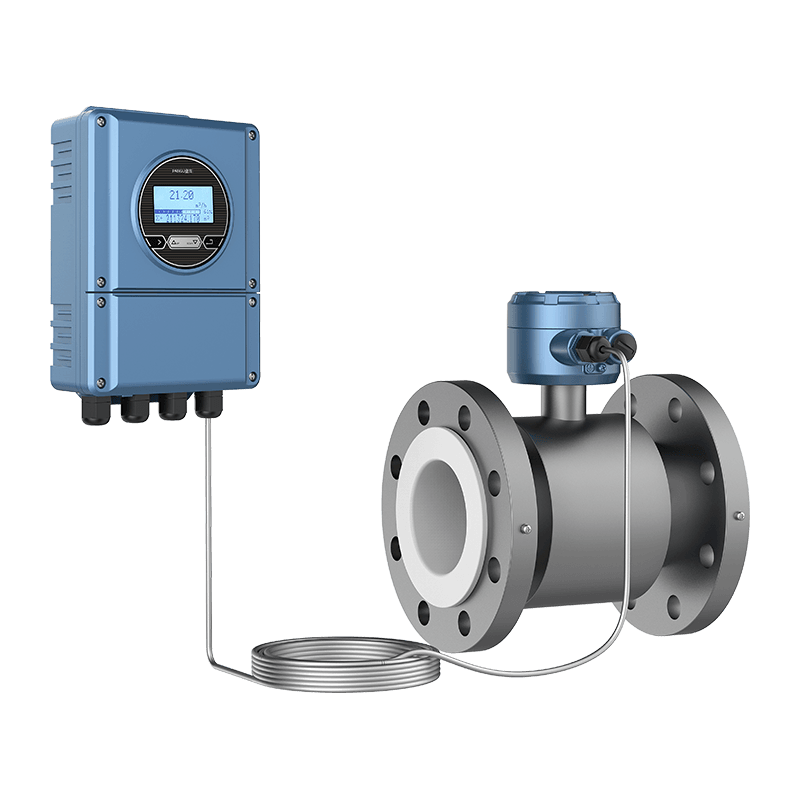
Battery Powered Electromagnetic Flowmeter: Offers a power supply option for electromagnetic flow measurement in locations where conventional power connections are limited, subject to the selected model and operating requirements.
Get a Quote →A Battery Powered Electromagnetic Flowmeter is designed to measure the flow of electrically conductive liquids without relying on a continuous external power connection. It combines electromagnetic flow measurement technology with a battery-based power supply, making it suitable for locations where mains electricity is unavailable, difficult to access, or uneconomical to install. Typical monitoring tasks include water distribution, irrigation networks, remote pipelines, and other liquid-flow applications where independent operation is required.
For procurement and engineering projects, battery operation should be evaluated together with the measuring medium, expected flow range, installation conditions, battery service life, display requirements, and data transmission needs. Electromagnetic measurement is generally intended for conductive liquids, so the medium and pipeline conditions must be confirmed before model selection. Available functions and operating duration depend on the specific meter configuration.
An electromagnetic flowmeter measures the movement of conductive liquid through a magnetic field. The sensing system detects the electrical signal generated by the moving liquid and processes it to determine flow information. Because the measurement method has no moving mechanical measuring parts in the flow passage, it can be applied to suitable liquids where mechanical wear or obstruction is a concern.
The battery-powered configuration supplies the energy required by the measuring electronics and associated functions. Depending on the model, the instrument may use power-saving operation strategies to reduce energy consumption between measurement or communication activities.
The medium must have sufficient electrical conductivity for electromagnetic measurement.
The sensor detects the flow-related signal without a rotating measuring element in the pipe.
The converter processes the detected signal and presents flow information through supported functions.
The internal battery provides operating power where a permanent external supply is not required.
Battery operation changes how a flowmeter is deployed and maintained. It can simplify installation in remote locations, but the power arrangement must be considered as part of the operating plan. Battery capacity, measurement frequency, display activity, communication settings, ambient temperature, and service access can all influence the practical replacement interval.
Useful where routing a power cable to the measuring point is difficult or where the instrument is installed in an isolated pipeline location.
Battery consumption should be assessed according to the meter's measurement cycle, display use, and enabled communication functions.
Consider the accessibility of the meter and the procedure for checking battery status or replacing the battery during routine service.
Do not use a general battery-life figure as a guaranteed operating period. Request the specified service-life conditions for the selected model, including measurement interval, communication frequency, and environmental assumptions.
The electromagnetic sensing principle does not require a mechanical rotor or turbine inside the measuring section. This can be beneficial for suitable liquid services where moving-part wear or mechanical obstruction is undesirable.
Depending on the display and electronics configuration, users can review measurement information at the installation point. Display content and operating modes should be confirmed against the selected model.
Some configurations may support remote reading or data communication. Buyers should specify whether local indication, wired communication, wireless transmission, or integration with a remote monitoring platform is required.
Electrode material, liner material, body construction, process connection, and protection rating need to be selected according to the liquid properties and installation environment.
Choosing a suitable instrument requires more than matching the pipe diameter. The following factors help establish whether the meter can provide reliable flow information within the intended operating conditions.
| Selection factor | Information to provide | Selection purpose |
|---|---|---|
| Liquid properties | Medium name, conductivity, solids content, corrosiveness, and temperature | Confirms compatibility with electromagnetic measurement and wetted materials |
| Pipe dimensions | Nominal diameter, actual pipe dimensions, and connection type | Determines the suitable sensor size and installation arrangement |
| Flow range | Minimum, normal, and maximum flow rates | Helps assess the measuring range for the application |
| Operating conditions | Pressure, temperature, pipe orientation, and ambient conditions | Checks mechanical and environmental suitability |
| Power requirements | Battery type, expected operating duration, and replacement access | Supports maintenance and lifecycle planning |
| Data requirements | Display, totalization, data logging, communication, and remote reading needs | Defines the required electronics and optional functions |
Correct installation is important for measurement consistency and long-term operation. The sensor should be positioned according to the manufacturer's installation instructions, with attention to pipe filling, flow profile, grounding, and maintenance access.
For conventional full-bore electromagnetic measurement, the pipe should remain full at the sensor location. Avoid positions where air pockets or partially filled pipes may affect the measurement.
Follow the recommended installation direction and orientation. Consider the risk of sediment accumulation, trapped air, and access for inspection.
Apply the grounding arrangement specified for the meter and pipeline materials. Correct grounding is important for signal stability in electromagnetic measurement.
Review upstream and downstream fittings, valves, pumps, and bends. Follow the required straight-pipe recommendations for the selected sensor design.
Check enclosure protection, exposure to direct sunlight, flooding risk, vibration, and ambient temperature against the instrument specifications.
Leave sufficient room to inspect the display, access the battery compartment where applicable, and perform required service without dismantling unrelated equipment.
The combination of electromagnetic sensing and battery operation is relevant to liquid-flow monitoring points where conductive media are measured and continuous external power is inconvenient. Final suitability depends on the meter's measurement range, construction, environmental rating, and optional functions.
Monitoring water movement in distribution branches, remote supply points, and pipeline sections where local power access may be limited.
Measuring irrigation water flow at field pipelines, pumping branches, and other locations that may be separated from permanent electrical infrastructure.
Supporting flow data collection at isolated monitoring points, subject to the meter's display, data storage, and communication capabilities.
Monitoring compatible conductive liquids in utility pipelines where a battery-based power arrangement can simplify instrument deployment.
Collecting flow information for water allocation, consumption monitoring, and network operation when the installation conditions match the instrument requirements.
Battery-powered instruments require a maintenance plan that considers both the measuring system and the power source. The actual inspection frequency should be based on the model instructions, battery status indication, operating environment, and site maintenance policy.
For OEM projects, engineering procurement, and distribution orders, buyers should clarify the complete instrument configuration before confirming a quotation. This reduces the risk of receiving a meter with an unsuitable power arrangement, sensor material, or communication function.
Confirm integrated or remote construction, sensor size, converter arrangement, and installation connection.
Request battery type, rated operating conditions, expected service interval, and replacement instructions.
Specify instantaneous flow indication, accumulated flow, data recording, alarms, and communication requirements where needed.
Confirm liner, electrode, housing, process connection, and ingress protection according to the medium and installation environment.
Clarify calibration documentation, product manuals, inspection records, packaging, spare battery availability, and delivery requirements.
Practical answers to common questions about power supply, liquid compatibility, installation, and purchasing requirements.
It measures the flow of electrically conductive liquids in pipelines while operating from a battery-based power supply. It is commonly considered for remote or isolated monitoring points where continuous external power is difficult to provide.
No. Electromagnetic flowmeters require a conductive liquid. The medium must also be compatible with the sensor liner and electrode materials. Non-conductive liquids are generally unsuitable for this measurement principle.
Operating duration depends on battery capacity, measurement settings, display activity, communication frequency, ambient temperature, and the instrument configuration. Buyers should request the manufacturer's stated battery-life conditions for the exact model.
The battery supplies the operating power for models designed for battery operation, so a continuous external power connection may not be necessary. Optional communication or accessory arrangements should be checked separately for each configuration.
Remote data transmission depends on the available communication options. Confirm the supported protocol, transmission method, power consumption, communication interval, and compatibility with the receiving system before ordering.
It can be considered for irrigation pipelines carrying conductive water, particularly where access to external power is limited. Pipe size, flow range, water conductivity, installation conditions, and environmental protection should be checked.
Conventional full-bore electromagnetic flowmeters are designed for full-pipe measurement. Installation locations that allow air pockets or partially filled conditions may cause unreliable readings unless the selected model is specifically designed for that application.
Provide the pipeline diameter, minimum and maximum flow rates, normal operating flow, medium properties, process temperature, and pressure. These details help determine whether the proposed sensor size and measuring range are suitable.
Totalized flow is available on configurations that include the relevant display or electronic function. Confirm whether the required totalizer, reset options, data retention behavior, and display information are supported by the selected model.
Follow the model-specific maintenance instructions, including any requirements for safe access, battery type, polarity, sealing, and enclosure closure. Replacement should be performed by personnel familiar with the instrument's service procedures.
The main difference is the power arrangement. A battery-powered model is intended for independent operation at locations without continuous mains power, while an externally powered model uses a separate supply. Their measurement principle may be similar, but available functions and operating characteristics can differ.
Relevant documents may include the technical datasheet, operating manual, wiring or communication instructions where applicable, calibration records if required, material information, and battery specifications. Project-specific certificates or inspection documents should be agreed before production or shipment.

Hangzhou Pangu Automation System Co., Ltd. is professional China wholesale Battery Powered Electromagnetic Flowmeter manufacturers and Battery Powered Electromagnetic Flowmeter suppliers, with strict quality control and years of industrial application experience.
 Aging Chamber
 High-Speed Chip Mounter
 Glue Dispensing Machine
 Potting Process
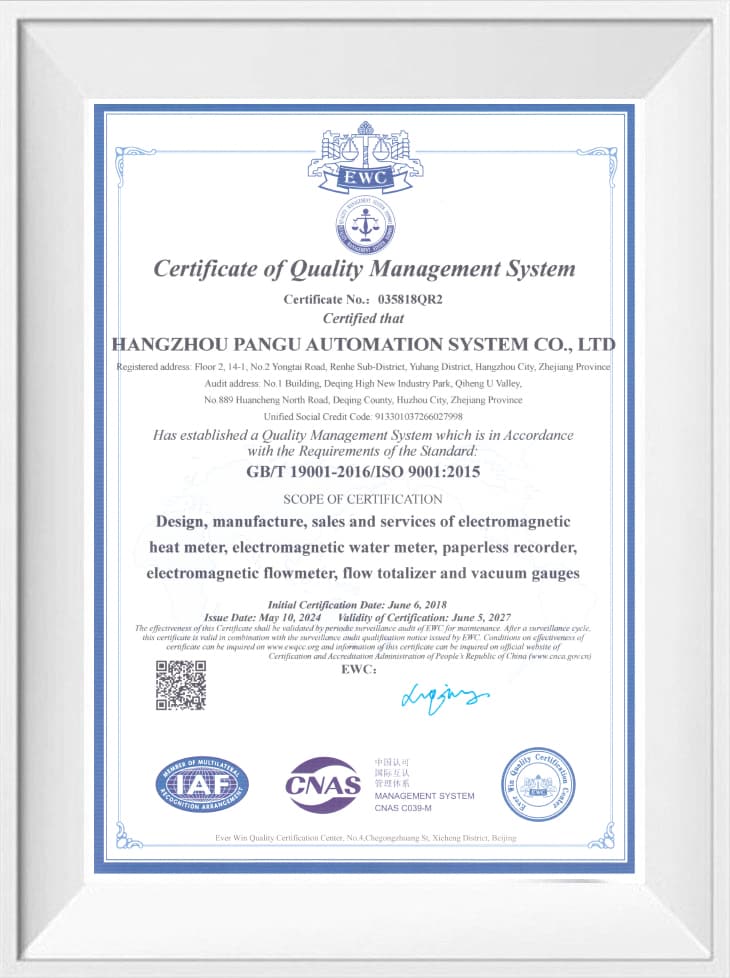 Quality Management System Certification
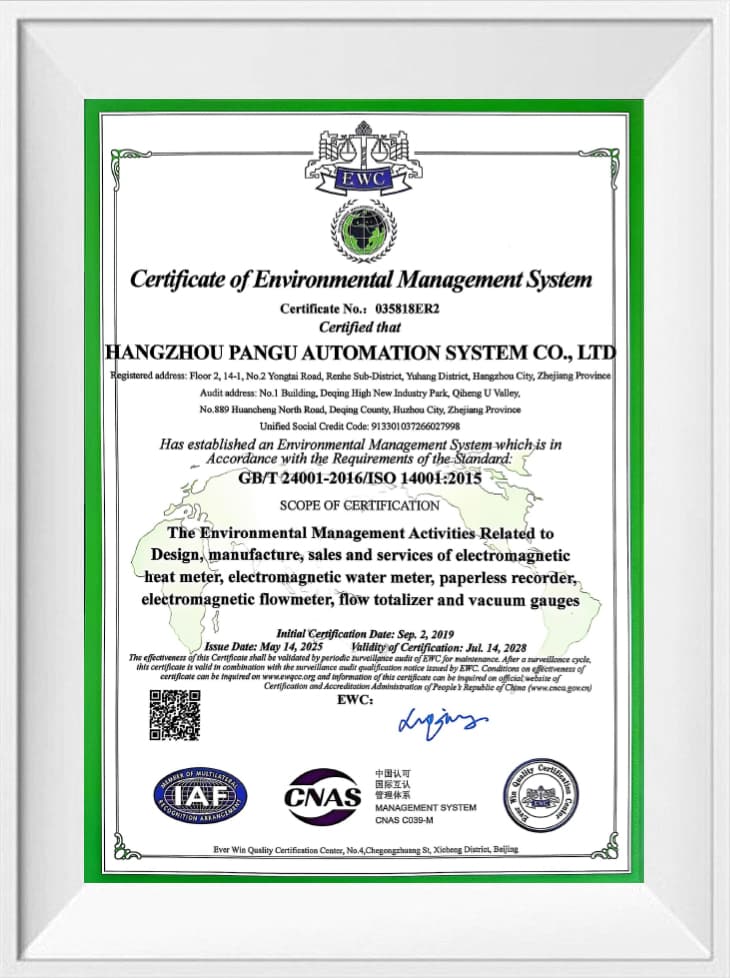 Environmental Management System Certification
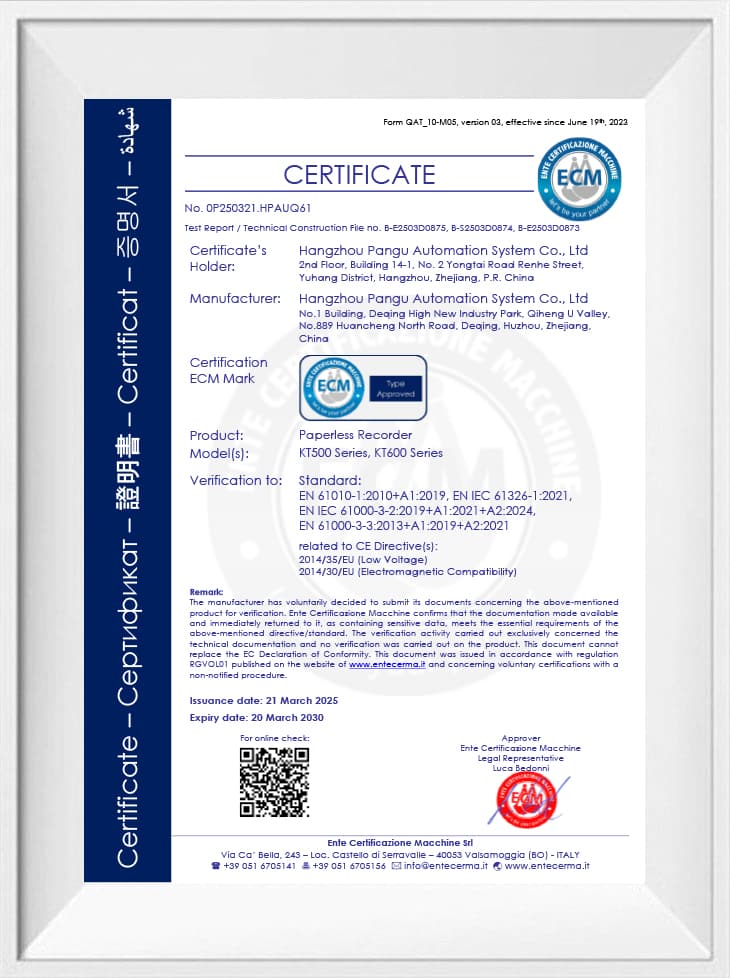 CE Certificate
 SIL Certificate
Yes. Send us your requirements and we will propose a solution.
Standard models ship quickly; custom orders depend on quantity.
Tell us your requirements and our engineers will reply promptly.
✉pangusales@vip.163.com
☎+86 13967196545
⚑602-702, Block D, Building 3, Area B,Xigang New Territories, 206 Zhenhua Road,Hangzhou City, Zhejiang Province, China