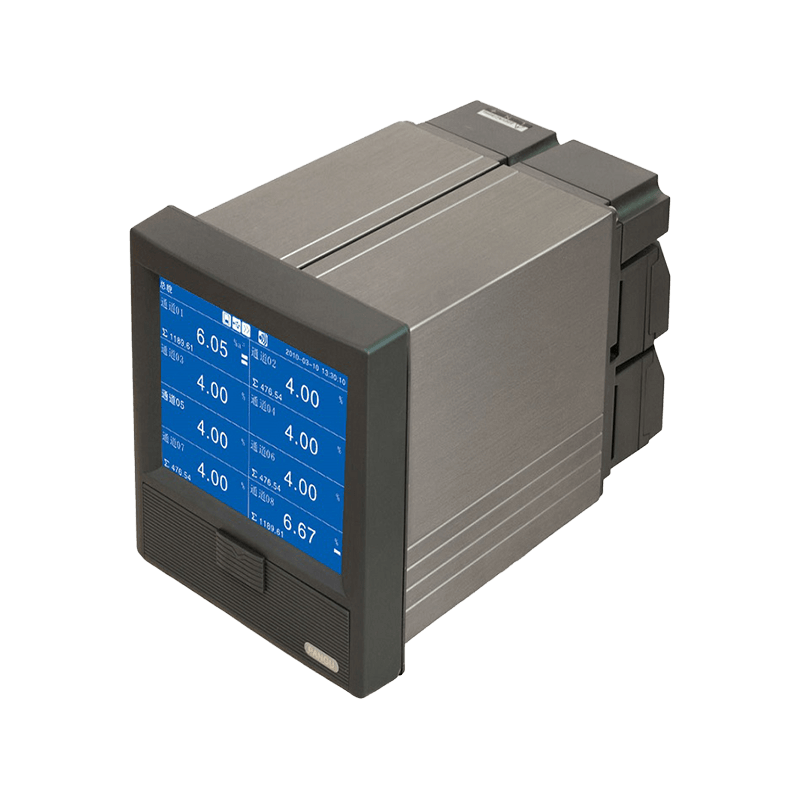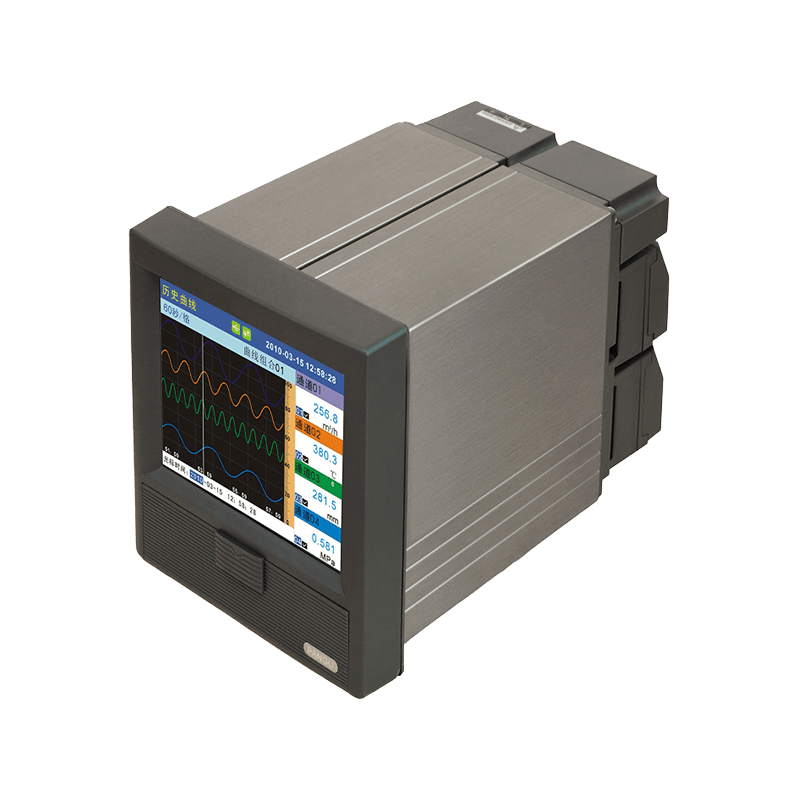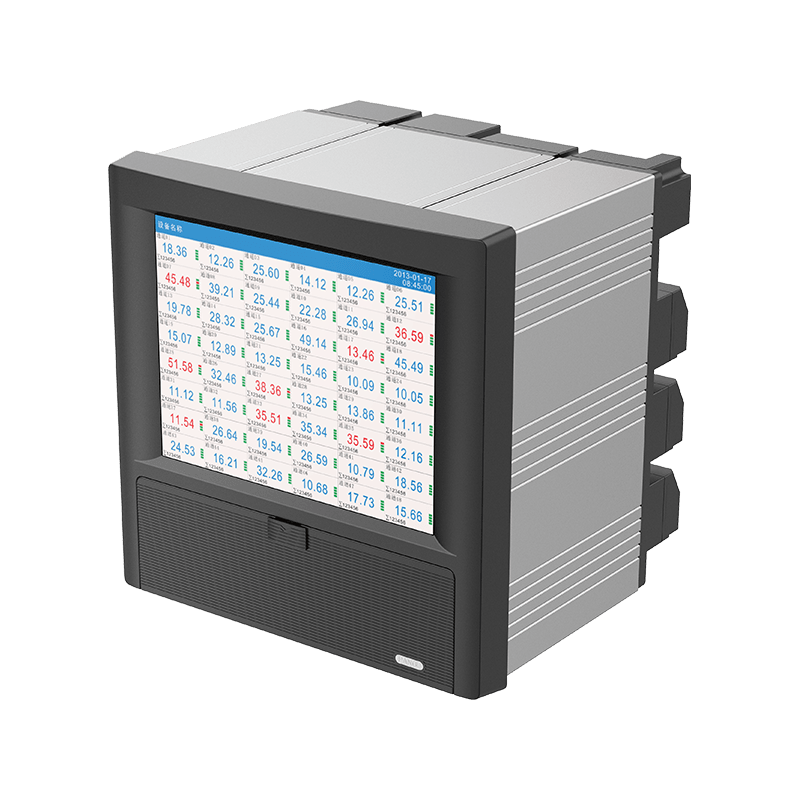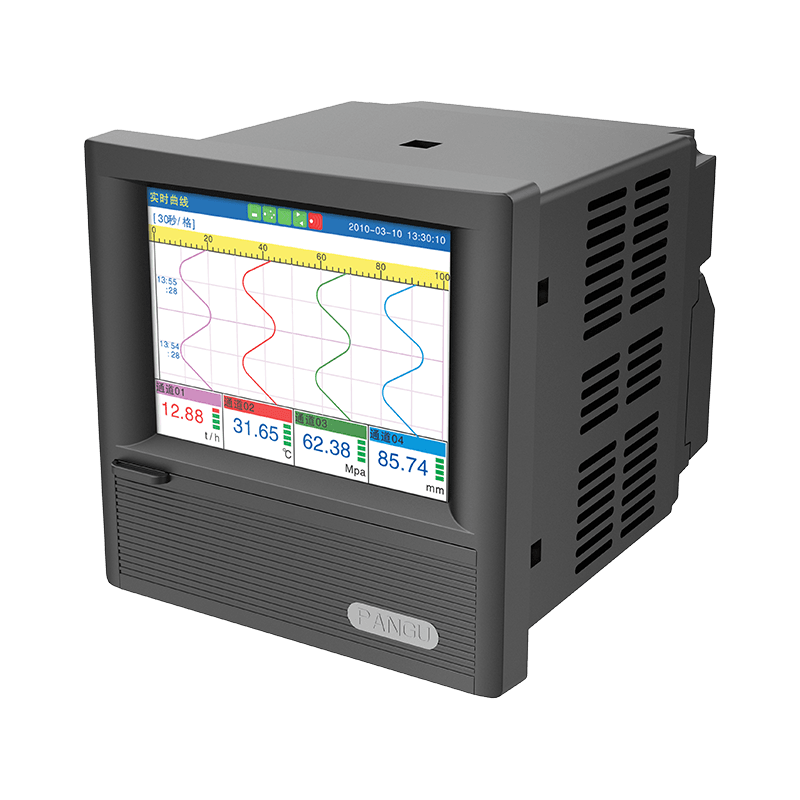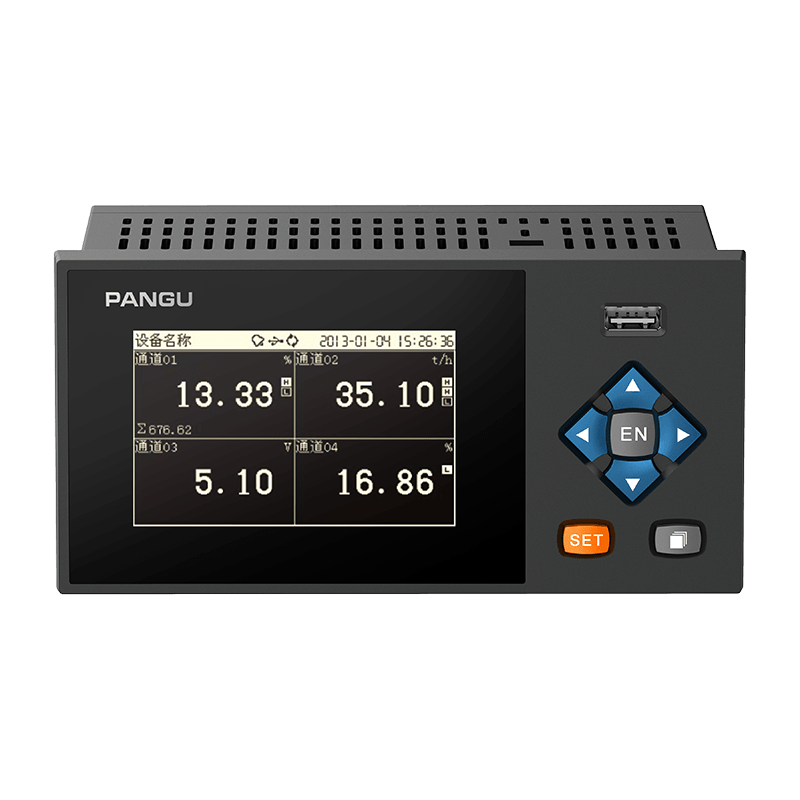
Multi-Channel Data Acquisition System: Collects and records signals from multiple measurement points, helping operators monitor process variables, review operating trends and organize data from distributed equipment.
Get a Quote →A Multi-Channel Data Acquisition System is designed to collect and record measurement signals from multiple monitoring points within an industrial process. By bringing input data into a centralized instrument, it helps operators observe process variables, review measurement records and manage information from different sensors or signal sources. It is used in applications where several parameters or locations need to be monitored within one measurement system.
Channel capacity, supported input types, recording functions and data access options are important factors when selecting a system. Industrial data acquisition products may be configured for different monitoring scales, from a small number of measurement points to larger multi-channel installations. The appropriate configuration depends on the connected instruments, signal characteristics, recording requirements and intended monitoring workflow.
The number of channels determines how many input points a data acquisition instrument can accommodate. A suitable channel configuration should cover the required measurement points while allowing for practical wiring, signal assignment and future monitoring needs.
Channel capacity is not the same as measurement accuracy or sampling speed. It describes the available input points and should be evaluated together with the instrument's input specifications and recording functions.
For monitoring arrangements that require a larger number of input points.
For multi-point data collection with a moderate channel requirement.
For applications with a smaller number of measurement inputs.
The channel counts above refer to identified data logger models. Confirm the available input configuration and functions of the specific model before final selection.
A multi-channel arrangement connects measurement sources to designated input channels. The instrument receives the supported signals and handles them according to its configured acquisition and recording functions. Organizing channel assignments clearly is important when several variables are monitored at the same time.
Input compatibility is a key consideration in a multi-channel acquisition project. Different field instruments may provide different electrical signal types, and the acquisition system must be equipped to accept the required inputs. Buyers should not assume that every channel supports every signal type.
Identify the output signal provided by each sensor, transmitter or other connected instrument before specifying the acquisition unit.
For compatible continuous measurement signals. Confirm the accepted signal range and input type in the model specification.
Where digital states or discrete signals are required, verify whether the selected system provides the corresponding input function.
For projects involving connected devices or external monitoring equipment, check supported communication options and protocol requirements.
Prepare a list of connected devices and their output signal details. This makes it easier to check channel allocation, input compatibility and any additional interface requirements.
Collecting signals is only one part of a data acquisition task. The way information is recorded and reviewed also affects how useful the system is for daily operation, process analysis and historical reference. The required recording functions should be checked against the intended operating workflow.
Receive measurement information from connected input points supported by the selected instrument.
Maintain records according to the instrument's configured storage and recording capabilities.
Provide a basis for checking collected values and reviewing process conditions over time.
Evaluate available local or external access methods when planning record retrieval and further analysis.
Storage capacity, recording interval, historical data access, display format, alarm functions and export options are model-specific details. They should be confirmed rather than inferred from the number of channels.
Multi-channel data acquisition is relevant to processes where several measurement locations or operating variables need to be observed and recorded. The required input types and instrument capacity vary with the equipment being monitored and the level of process detail required.
Collect data from multiple monitoring points across production equipment or process stages.
Organize measurement information from different monitoring locations, subject to sensor and input compatibility.
Record selected operating variables to support equipment supervision and maintenance review.
Gather measurement data from multiple test points where compatible input channels and recording functions are available.
Monitor selected variables in water, energy and other industrial utility systems.
Good channel planning helps avoid wiring errors and makes subsequent data review easier. Before commissioning, each input should be associated with its field device, signal type and measurement purpose. The wiring method and electrical precautions should follow the instrument's technical documentation.
List all measurement points, connected devices, signal types and channel assignments. Include spare capacity only where the project requires it.
Verify input ranges, wiring terminals, sensor power requirements and grounding arrangements. Separate signal wiring from power wiring where required by the installation design.
Use clear channel names and measurement descriptions so operators can identify the source and purpose of each recorded value.
Check each connected input, confirm that readings correspond to the intended source and review the configured recording behavior before routine operation.
For industrial buyers, a clear technical inquiry should describe both the number of measurement points and the requirements of each input. This information helps determine whether a compact or higher-channel instrument is appropriate and whether additional functions are needed.
Answers to common technical and purchasing questions about channel capacity, input compatibility and industrial data recording.
It is an instrument or system designed to collect measurement signals from multiple input points. Depending on its configuration, it can organize and record data from different sensors or connected devices for process monitoring and review.
The channel count indicates the number of input points provided by the instrument. It does not by itself specify sampling speed, accuracy, storage capacity or the types of signals that can be accepted.
Identified configurations include the 48-channel KT800, 16-channel KT500 and 4-channel KT100. Buyers should check the current model documentation for detailed input arrangements and available functions.
Different sensor types can be used when their output signals are compatible with the acquisition instrument. Check the input specifications for each required signal and confirm whether the channels support the intended configuration.
No. Channel count describes input capacity. Measurement accuracy depends on the instrument's technical specifications, input configuration, connected sensor performance and installation conditions.
Data recording and historical storage depend on the selected model. Confirm storage capacity, recording interval, retention behavior and available data retrieval methods for the intended application.
This depends on the instrument's available communication or data access functions. Specify the receiving system and required interface so compatibility can be checked before purchase.
Count the measurement points that need to be connected, then review whether any additional inputs are required for planned expansion. Also check whether each input needs a different signal type or configuration.
Prepare the channel count, sensor list, signal types and ranges, recording requirements, communication needs, power supply and installation environment. These details help establish the required instrument configuration.
Verify wiring, channel assignments, input signal compatibility, sensor readings, grounding and recording settings. Confirm that each displayed or recorded value corresponds to the correct field measurement point.

Hangzhou Pangu Automation System Co., Ltd. is professional China wholesale Multi-Channel Data Acquisition System manufacturers and Multi-Channel Data Acquisition System suppliers, with strict quality control and years of industrial application experience.
 Aging Chamber
 High-Speed Chip Mounter
 Glue Dispensing Machine
 Potting Process
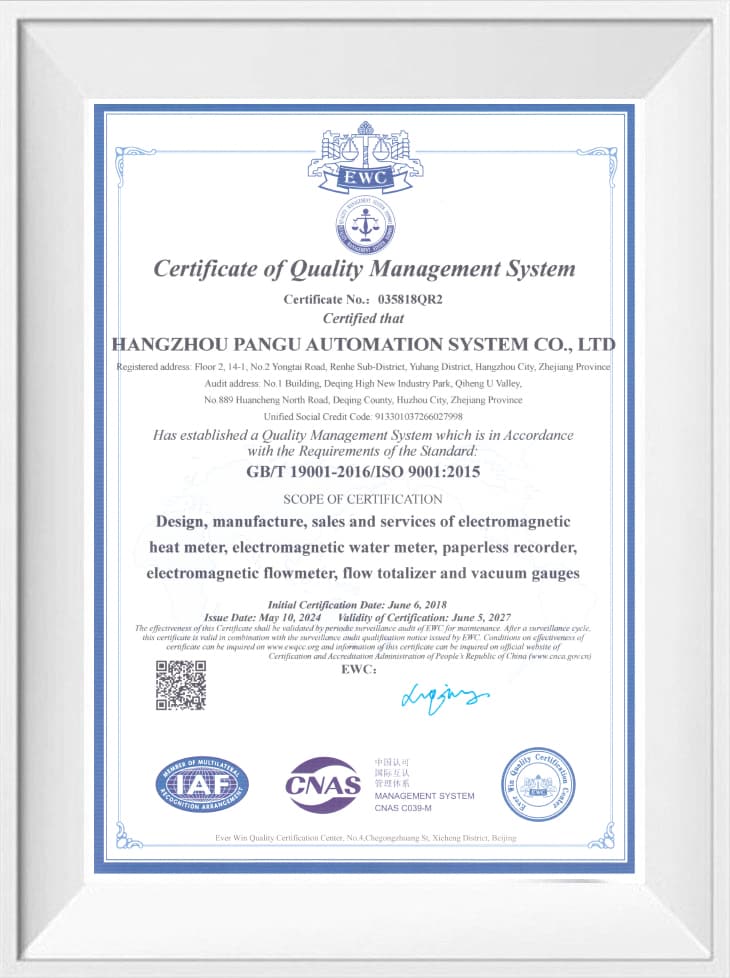 Quality Management System Certification
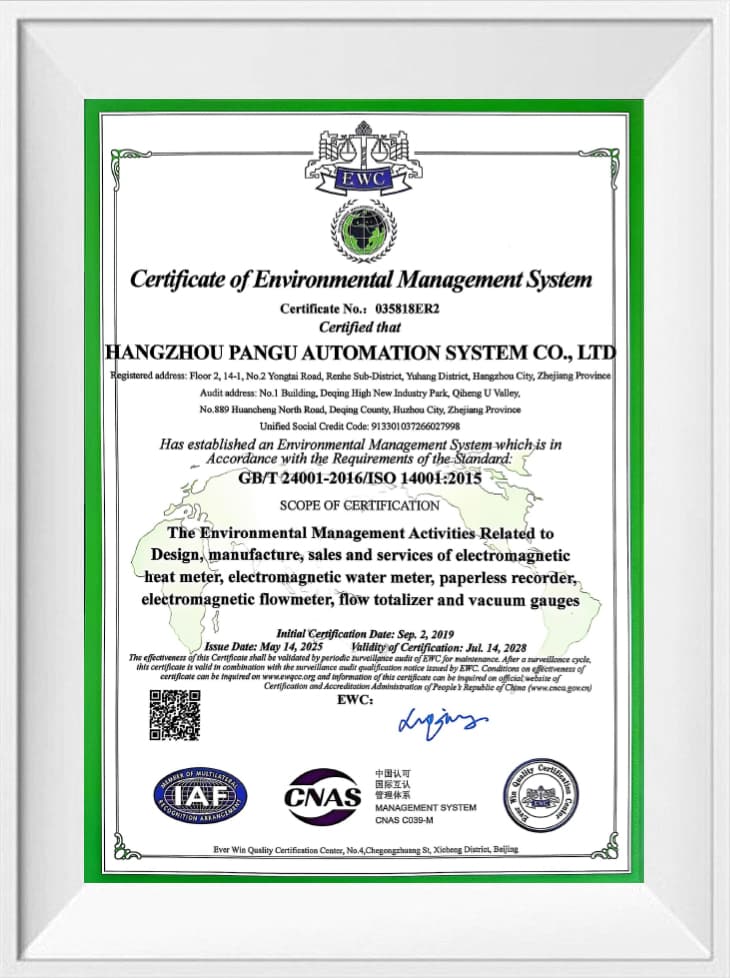 Environmental Management System Certification
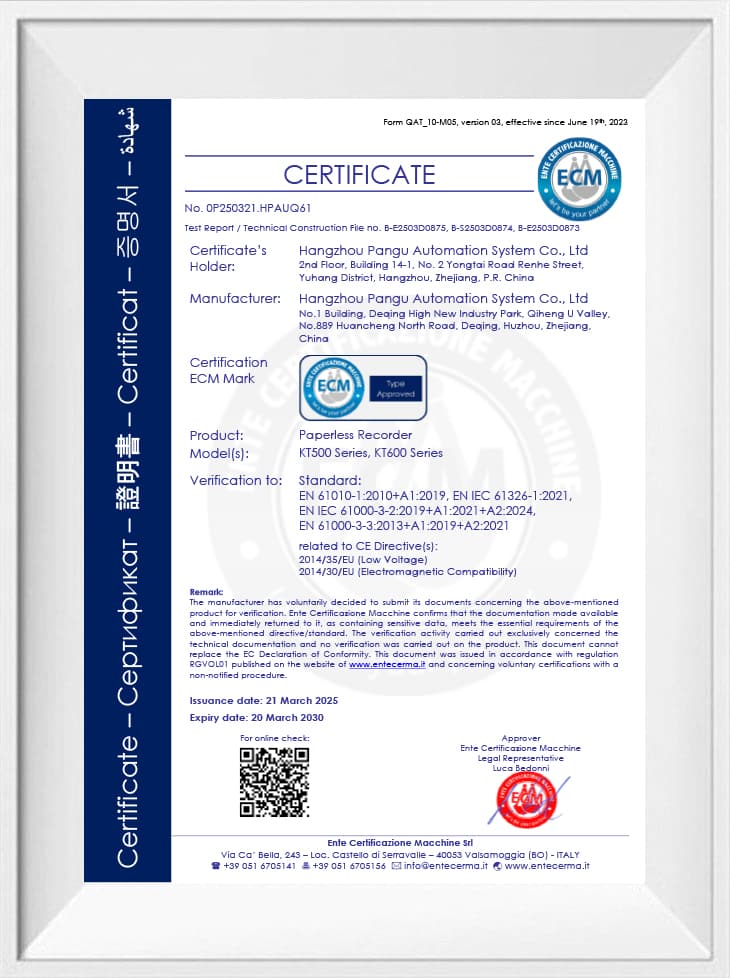 CE Certificate
 SIL Certificate
Yes. Send us your requirements and we will propose a solution.
Standard models ship quickly; custom orders depend on quantity.
Tell us your requirements and our engineers will reply promptly.
✉pangusales@vip.163.com
☎+86 13967196545
⚑602-702, Block D, Building 3, Area B,Xigang New Territories, 206 Zhenhua Road,Hangzhou City, Zhejiang Province, China