Cloud-Based Data Logging Solutions: Connect compatible data acquisition equipment with cloud platforms through suitable communication devices or gateways, supporting remote data access, centralized records and process monitoring.
Get a Quote →Cloud-Based Data Logging Solutions combine industrial data acquisition instruments, network connectivity and cloud-based data services to support the collection, storage and remote review of measurement information. They are relevant to facilities that need to access operating records from different locations, consolidate information from monitoring points and maintain historical data for process supervision.
An industrial data logger or paperless recorder can serve as the field-level data collection component, while a suitable communication interface or gateway transfers available information to a remote platform. The exact architecture depends on the recorder's communication functions, the site's network conditions and the cloud service being used. Cloud connectivity should therefore be evaluated separately from the instrument's channel capacity and local recording functions.
A cloud-based data logging arrangement normally includes several functional layers. Measurement devices provide process signals, a data acquisition instrument collects and records supported inputs, and a compatible communication path transfers selected information to a remote service. Each layer has its own configuration and compatibility requirements.
Industrial data loggers and paperless recorders provide the measurement input and recording functions at the equipment or process level. Their channel capacity helps determine how many measurement points can be connected. The recorder should be selected according to the number of signals, input specifications and recording requirements before cloud integration is planned.
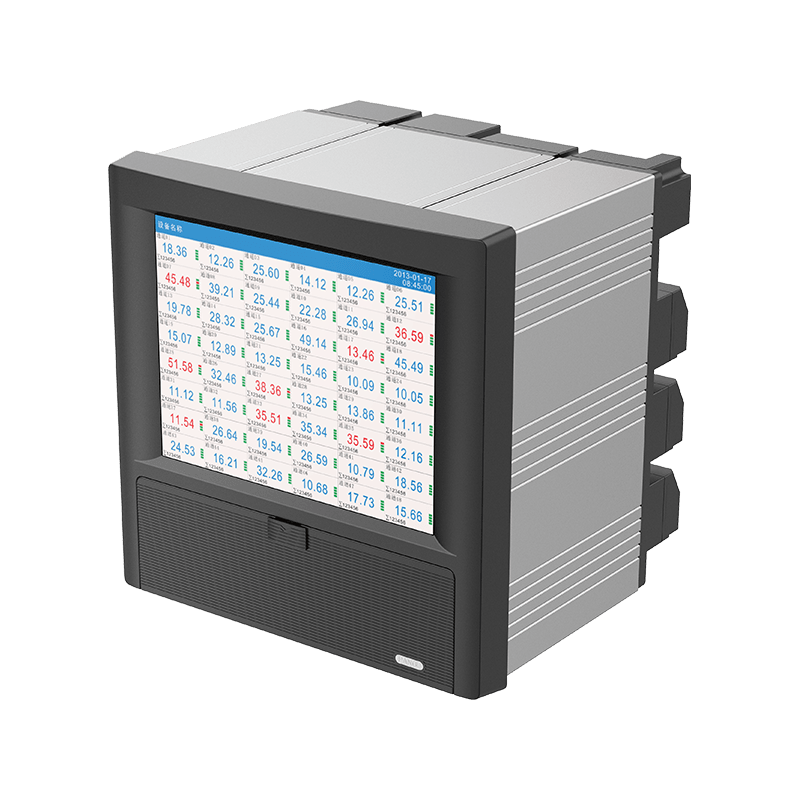
For applications requiring a larger number of measurement input points.
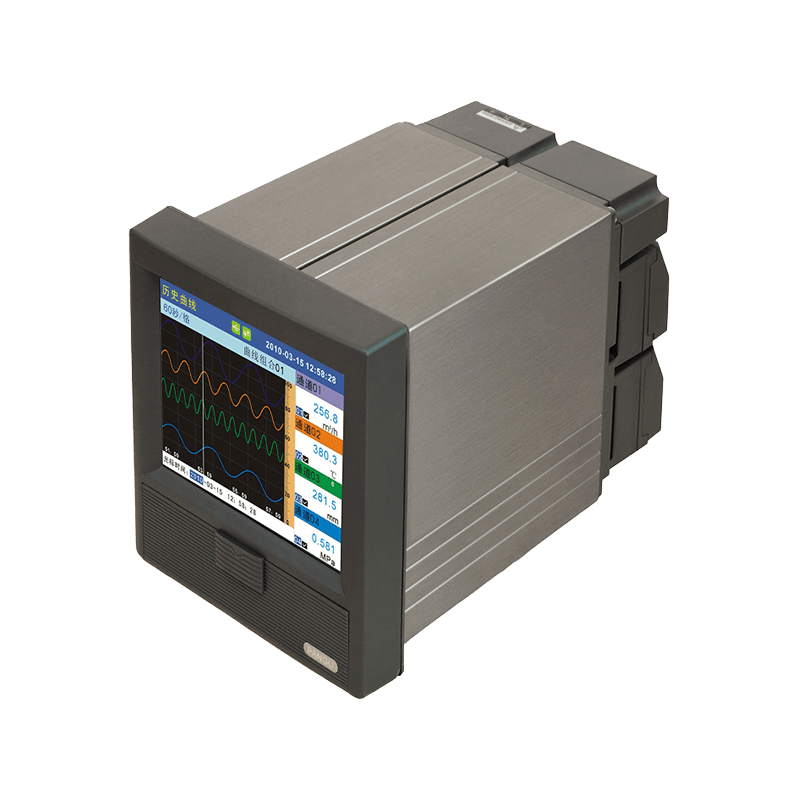
For multi-point monitoring with a moderate input requirement.
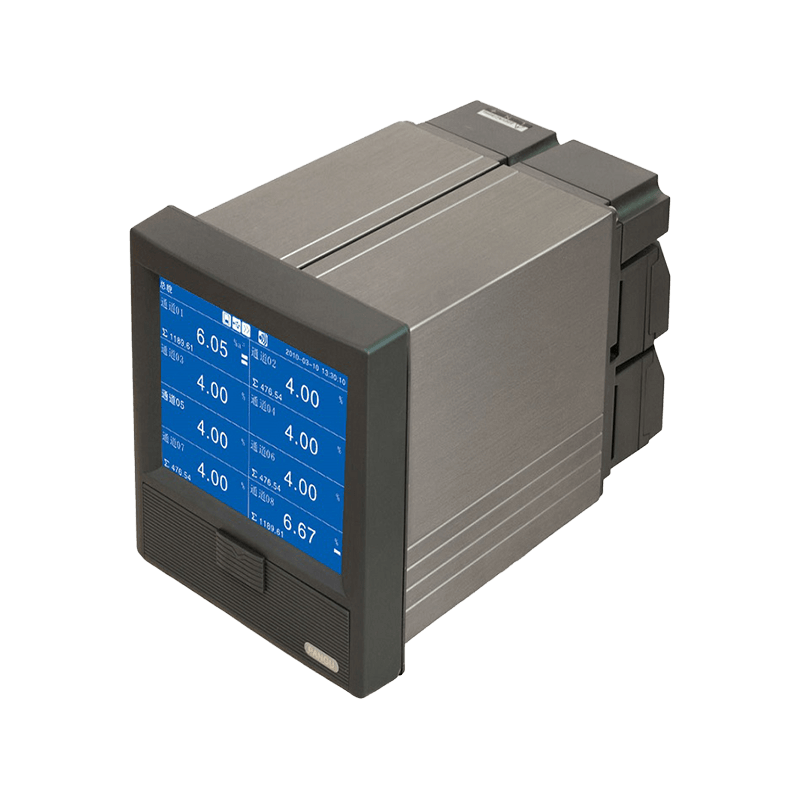
For smaller measurement arrangements with fewer input points.
These examples identify channel capacities for specific data logger models. Channel count alone does not confirm network connectivity, cloud compatibility, input type or remote access functions.
Reliable data transfer requires a compatible connection between the acquisition instrument and the remote data service. Before choosing a cloud-based arrangement, buyers should identify the recorder's available interfaces, the communication method required by the platform and any additional equipment needed to bridge the two systems.
Signal collection, local recording and remote transmission are separate functions. Confirm each one against the instrument and system specifications.
Cloud-based data logging is useful when operating information needs to be reviewed beyond the local instrument. A properly planned arrangement can make available records accessible to authorized users through a remote service. The actual functions depend on the platform, data transmission configuration and storage policy.
Acquire measurement signals from connected devices through supported input channels.
Maintain local measurement records according to the recorder's available functions.
Send configured data through a compatible communication path to the remote service.
Access available historical information for operational review and reporting.
Check how long records are retained and whether users can retrieve data for a selected period.
Define equipment identifiers, channel names, measurement units and time references consistently.
Confirm whether the selected platform supports the required file formats, report generation or external data access.
Connecting industrial measurement equipment to a remote platform introduces network and data management considerations. System design should define who can access records, how communication is protected and what happens when the network or remote service is unavailable.
Security and reliability depend on the combined design of the recorder, gateway, network and cloud service rather than on the data logger alone.
User access controlDefine authorized users and appropriate access permissions.
Communication protectionReview network segmentation, secure transmission and gateway configuration.
Local data continuityDetermine whether the recorder can retain records when remote connectivity is interrupted.
Recovery proceduresEstablish how stored data is synchronized or retrieved after a connection failure.
Backup and retentionDefine storage periods, backup responsibilities and data recovery requirements.
Remote data logging is relevant to operations that need to review measurement information across multiple equipment areas, facilities or monitoring locations. The connected instruments and input configuration should match the variables being monitored.
Collect and review available process measurements from treatment stages, pumping equipment and distribution systems.
Consolidate selected operating records from production equipment and different process monitoring points.
Review available measurements from water circulation, utility equipment and environmental monitoring devices.
Maintain measurement records that support operational review and the analysis of selected process variables.
Provide a remote data access arrangement for facilities where local and centralized information review are both required.
Organize measurement records from test equipment and multiple data collection points for later evaluation.
For B2B projects, the recorder, communication equipment and remote data service should be evaluated as one system. A channel-capacity requirement is not enough to establish cloud compatibility. The following information helps clarify the required configuration before procurement.
When requesting a quotation, provide the instrument model or required channel count, sensor signal list, communication requirements and intended cloud platform. If the platform has specific integration documentation, include its interface requirements for technical review.
Common questions about industrial data loggers, cloud connectivity, remote access and system configuration.
It is a data collection and management arrangement that transfers measurement records from field instruments or data loggers to a remote platform for storage, access and review. It generally involves acquisition equipment, communication infrastructure and a compatible cloud service.
No. Local data recording and cloud communication are different functions. The selected logger must have a compatible communication interface or work with a suitable external gateway and data integration service.
The data logger collects supported measurement signals from connected devices and records the information locally according to its functions. A compatible communication arrangement can then transfer selected data to a remote platform.
This depends on the channel capacity and input configuration of the selected instrument. Identified data logger options include the 48-channel KT800, 16-channel KT500 and 4-channel KT100. Confirm the specific model's input details before selection.
Only when the input channels support the signal types provided by the connected devices. Prepare a sensor and signal list, then compare it with the recorder's input specifications and available channel configuration.
Remote review is possible when the data is transferred to a compatible platform that provides remote access. User permissions, connection methods and available viewing functions depend on the platform configuration.
The result depends on local recording capacity, gateway behavior and the remote service. A project should define whether data can continue to be recorded locally and how unsent records are recovered after connectivity returns.
A remote data service is needed if cloud storage and cloud-based access are part of the project. Its compatibility with the recorder or gateway, data format, user access method and service requirements should be confirmed in advance.
Provide the required channel count, connected sensor types, input signals, recording needs, communication interface, intended cloud service and installation environment. This information helps establish the equipment and integration requirements.
Data export depends on the recorder and remote platform. Confirm the supported export formats, access permissions, retention period and whether the data can be retrieved through a file interface or another supported method.
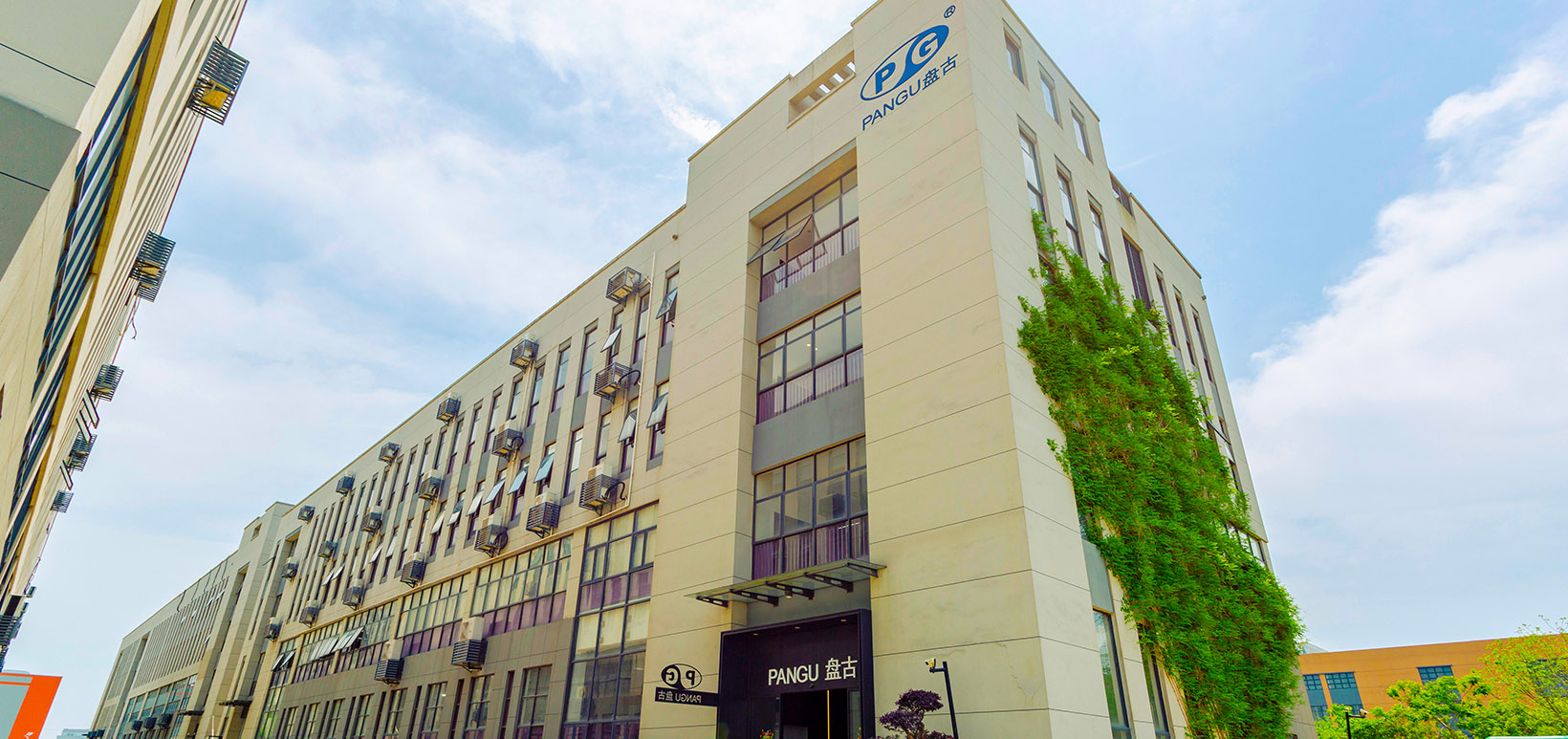
Hangzhou Pangu Automation System Co., Ltd. is professional China wholesale Cloud-Based Data Logging Solutions manufacturers and Cloud-Based Data Logging Solutions suppliers, with strict quality control and years of industrial application experience.
 Aging Chamber
 High-Speed Chip Mounter
 Glue Dispensing Machine
 Potting Process
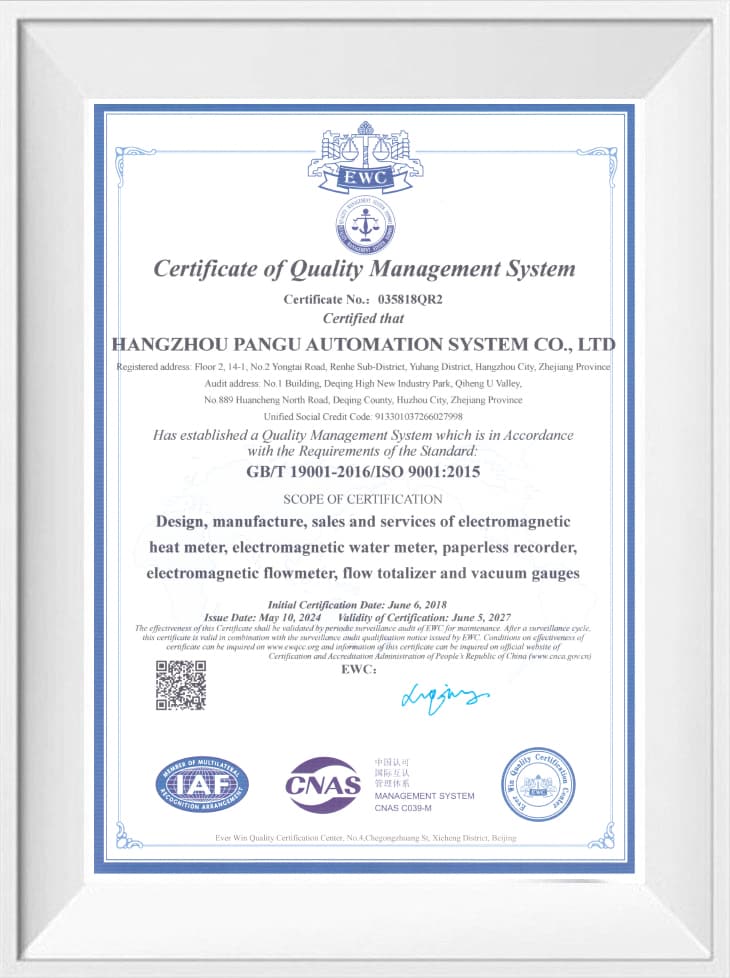 Quality Management System Certification
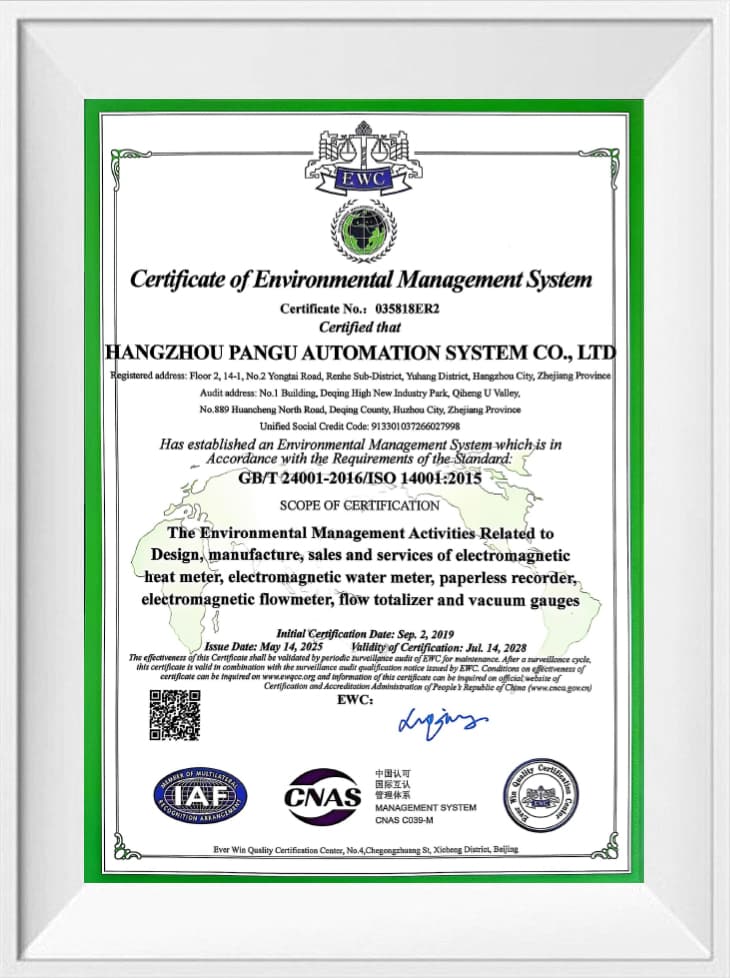 Environmental Management System Certification
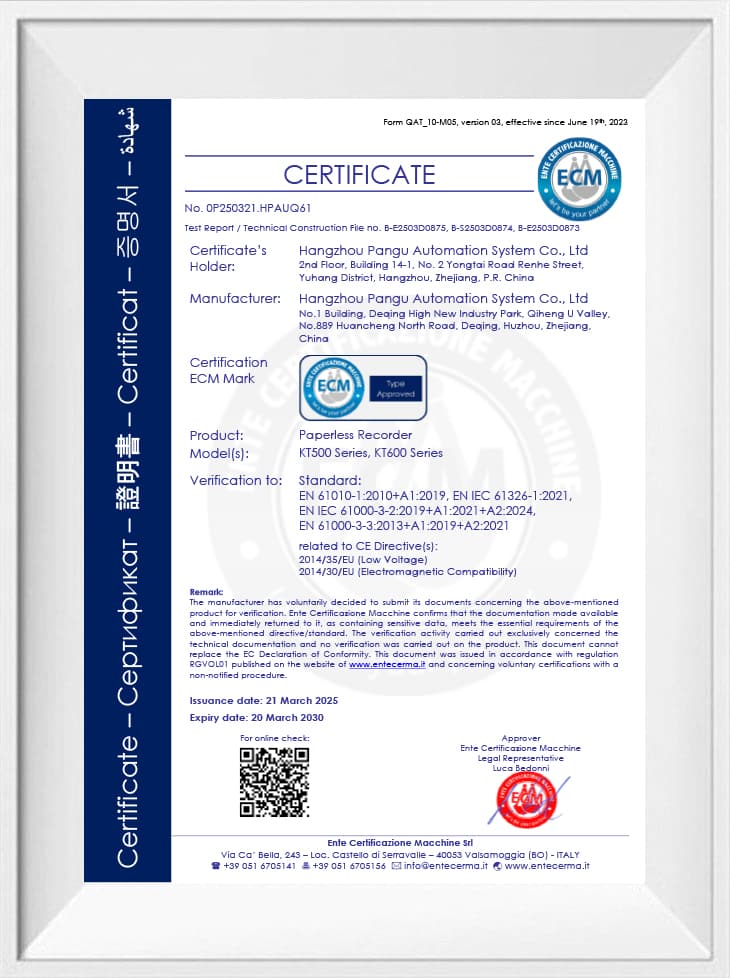 CE Certificate
 SIL Certificate
Yes. Send us your requirements and we will propose a solution.
Standard models ship quickly; custom orders depend on quantity.
Tell us your requirements and our engineers will reply promptly.
✉pangusales@vip.163.com
☎+86 13967196545
⚑602-702, Block D, Building 3, Area B,Xigang New Territories, 206 Zhenhua Road,Hangzhou City, Zhejiang Province, China