Our desalination plant instruments support flow measurement and process monitoring throughout water treatment systems, helping maintain reliable operation and efficient water production.
Get a Quote →Desalination plant instruments are the flow meters, pressure transmitters, analyzers and level and temperature sensors that monitor and control the conversion of seawater or brackish water into fresh water. They report how much water enters each treatment stage, how hard the membranes or evaporators are working and whether the product water meets the required salinity.
Seawater and concentrated brine are highly corrosive, and reverse osmosis trains run at high pressure, so instruments must be built from compatible materials and rated for the pressure of each line. Good instrumentation protects expensive membranes, supports energy-efficient operation and provides the records needed for water quality reporting. This page summarizes the main instrument types, selection points and installation practices for desalination projects.
Process stages
Flow Meters
Feed, permeate, concentrate and chemical dosing flows are measured to track recovery, balance trains and control dosing pumps.
Pressure Transmitters
Feed pressure, interstage pressure and brine pressure show the load on pumps and membranes and help protect equipment.
Conductivity and Salinity Analyzers
Conductivity readings on feed and product water indicate salt rejection and warn of membrane damage or leakage.
pH, ORP and Chlorine Analyzers
These sensors control chemical dosing and confirm that oxidant levels at the membranes stay within safe limits.
Level Sensors
Level measurement in intake wells, filter tanks and product water storage supports pump control and overflow protection.
Temperature and Differential Pressure
Temperature affects membrane flux, and differential pressure across filters and membranes reveals fouling over time.
In a typical reverse osmosis train, water passes through intake and pretreatment, is pressurized by a high-pressure pump and is separated by the membranes into product water and concentrated brine. Instruments at each step feed the plant control system.
Comparing feed flow, permeate flow and concentrate flow gives the recovery ratio of the train, a key indicator that operators watch to spot scaling or fouling.
The table gives a general overview of typical roles and material considerations for common instruments.
| Instrument | Measures | Typical Location | Material Consideration | Main Role |
|---|---|---|---|---|
| Electromagnetic flowmeter | Liquid flow | Feed, brine, product lines | Corrosion-resistant liner and electrodes | Recovery and balance |
| Ultrasonic flowmeter | Liquid flow | Large intake and outfall pipes | Non-contact or inert wetted parts | Large pipe monitoring |
| Pressure transmitter | Line pressure | Pump discharge, membrane feed | Seawater-resistant diaphragm and housing | Pump and membrane protection |
| Conductivity analyzer | Salinity indicator | Feed, permeate, product | Inert electrodes | Salt rejection tracking |
| pH and ORP analyzer | Acidity and oxidant level | Pretreatment, feed | Chemical-resistant sensor body | Dosing control |
| Differential pressure transmitter | Pressure drop | Filters, membrane stages | Seawater-compatible wetted parts | Fouling detection |
Because seawater attacks many ordinary metals, material selection is just as important as accuracy when comparing otherwise similar instruments.
Intake flow, level and sometimes temperature data guide pump operation and show intake conditions.
Turbidity, differential pressure and backwash flow indicate filter condition and help schedule cleaning.
Pressure and flow readings at the high-pressure pump protect the membranes and show pump efficiency.
Interstage pressure, permeate flow and conductivity point to fouling, scaling or damaged elements.
pH, conductivity and flow checks confirm remineralization and the quality of delivered water.
Concentrate flow and conductivity records support environmental reporting and energy recovery control.
Seawater feed
Fluoropolymer or hard rubber liners and corrosion-resistant electrode metals are common on seawater lines.
Concentrated brine
Higher salt content increases corrosion risk, so materials with proven brine resistance should be selected.
High-pressure lines
Pressure ratings must cover surges and start-up conditions, and body materials should resist chloride attack.
Dosing chemicals
Antiscalants, acids and oxidants need materials that tolerate the specific chemical at its concentration.
Product water
Low-conductivity permeate needs sensors designed for pure water, with suitable materials for potable use if required.
Marine atmosphere
Housings, cable glands and fasteners outdoors should resist salt-laden air and spray.
Recommended Practice
Common Problems
Process description: process type, salinity, temperature, pressure and chemical dosing details for each line.
Material declaration: wetted material list and housing materials confirmed for seawater and brine service.
Pressure and range: pressure rating, measuring range and overload protection suited to start-up and cleaning.
Interface and protection: output type, communication protocol and ingress rating for the plant environment.
Documents and support: calibration reports, certificates, spare parts and commissioning assistance.
Tip: Sending a simple process flow sheet with each instrument position marked helps a supplier match sensors to the correct materials and ranges, and shortens the time needed to prepare an offer.
Most plants use flow meters, pressure transmitters, conductivity analyzers, pH and oxidant sensors, level sensors and differential pressure transmitters. Together they allow operators to control dosing, protect membranes and verify product water quality.
Seawater and brine contain high levels of chloride, which attacks many common metals. Using corrosion-resistant liners, electrodes and housings keeps instruments stable and prevents failures that would interrupt production.
Recovery compares the permeate flow with the feed flow of a train. Plants use flow meters on both lines, along with concentrate flow, to confirm that the train runs within its designed operating window.
Electromagnetic flowmeters with fluoropolymer or other chemical-resistant liners and suitable electrodes are widely used because seawater is conductive and the meter has no moving parts. Ultrasonic meters are also used on large pipes.
Conductivity of permeate is a quick indicator of salt rejection. A rise in value can point to damaged membranes, leaking seals or operating problems, and prompts further checks.
Pressure drop increases as filters and membranes become fouled. Tracking it over time helps schedule backwashing and cleaning before performance and energy use are affected.
Not always. Product water has very low conductivity and often needs sensors designed for pure water, while seawater lines need corrosion resistance. Confirm the exact fluid for each point when selecting instruments.
Air can cause unstable flow readings and false analyzer values. Venting the line, installing sensors where the pipe stays full and allowing time for air to clear after start-up reduce the problem.
Intervals depend on the instrument, fouling tendency and quality requirements. Conductivity, pH and oxidant sensors are checked more often than pressure and flow devices, and each calibration should be recorded.
Provide the process type, instrument positions, fluid description, pressure and temperature, pipe size, measuring range, output signals and environmental conditions. A process flow sheet or line list is very useful.
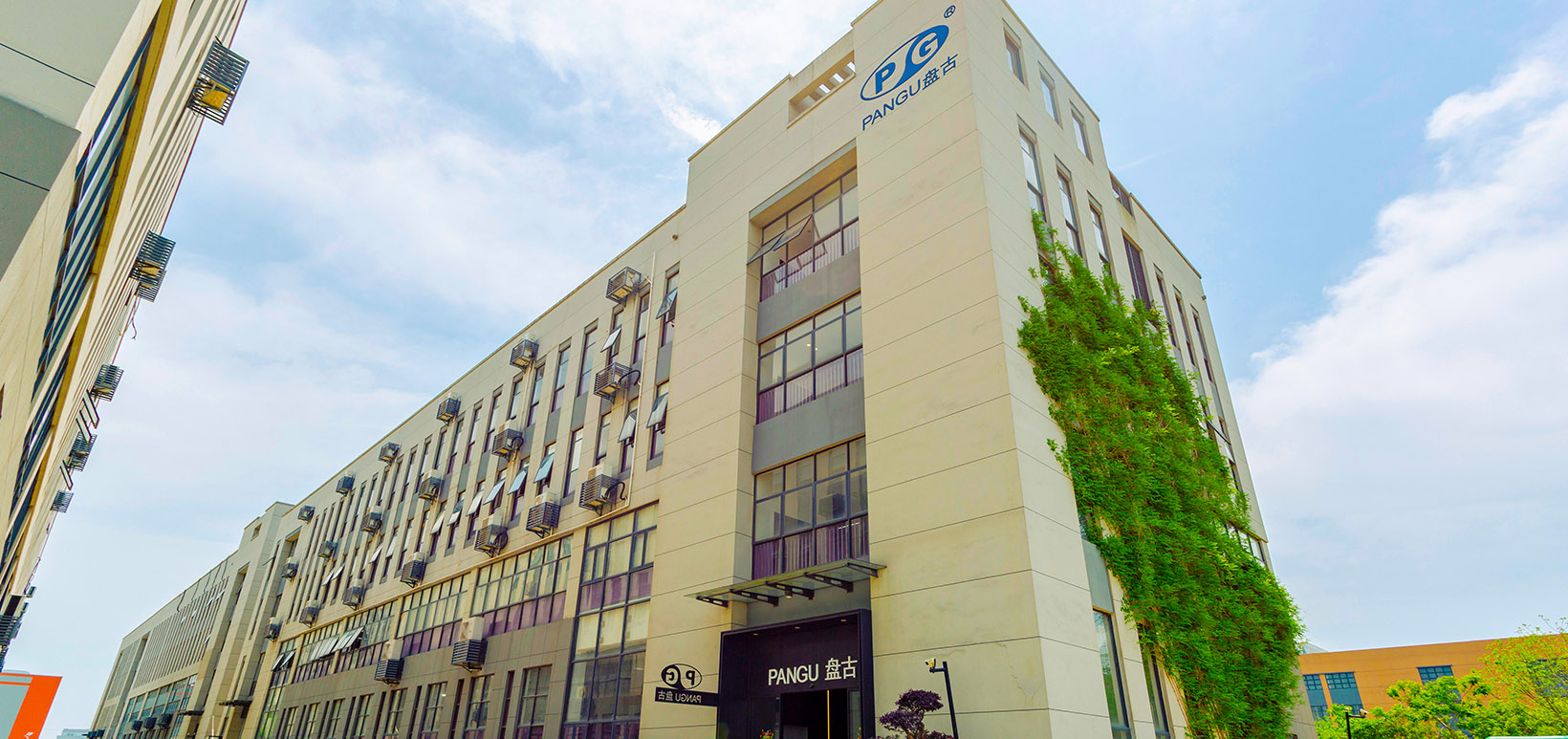
Hangzhou Pangu Automation System Co., Ltd. is professional China wholesale Desalination Plant Instruments manufacturers and Desalination Plant Instruments suppliers, with strict quality control and years of industrial application experience.
 Aging Chamber
 High-Speed Chip Mounter
 Glue Dispensing Machine
 Potting Process
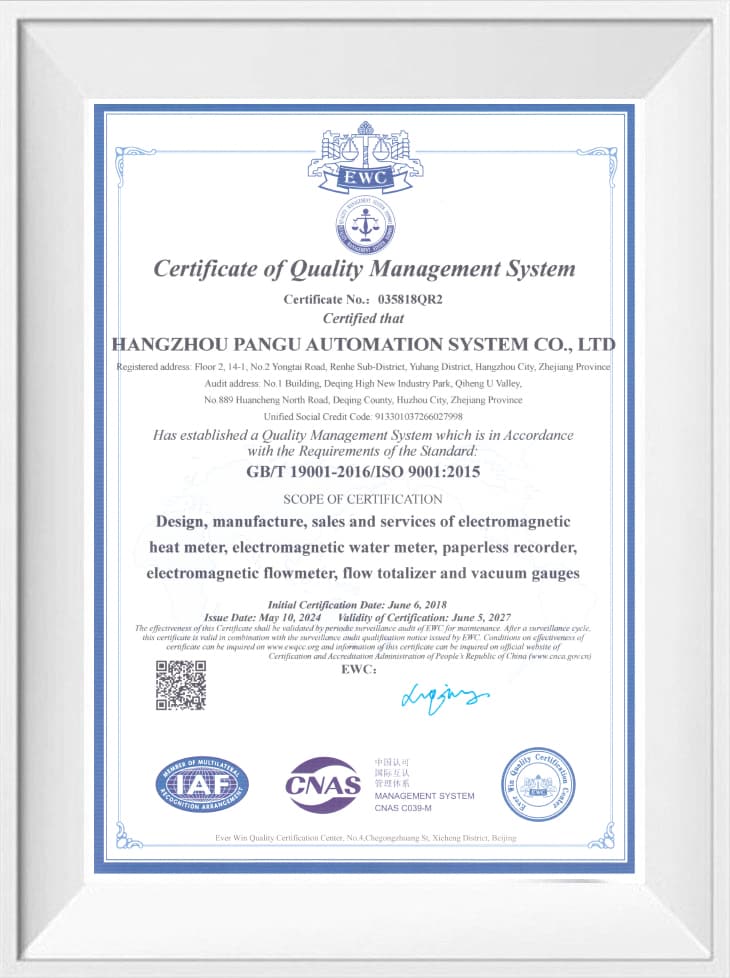 Quality Management System Certification
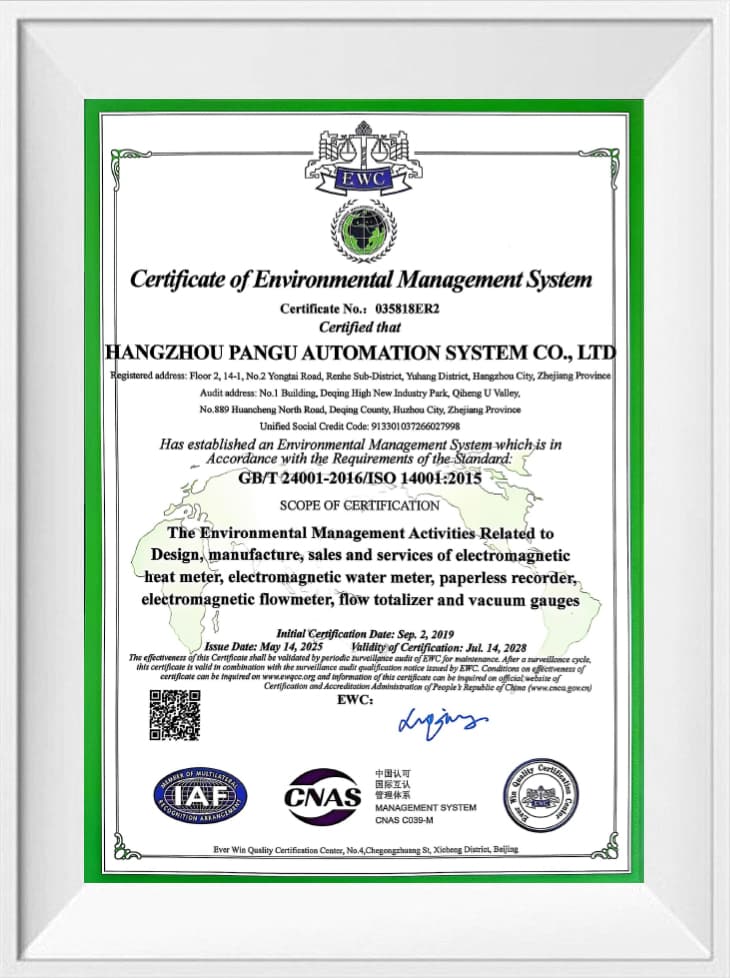 Environmental Management System Certification
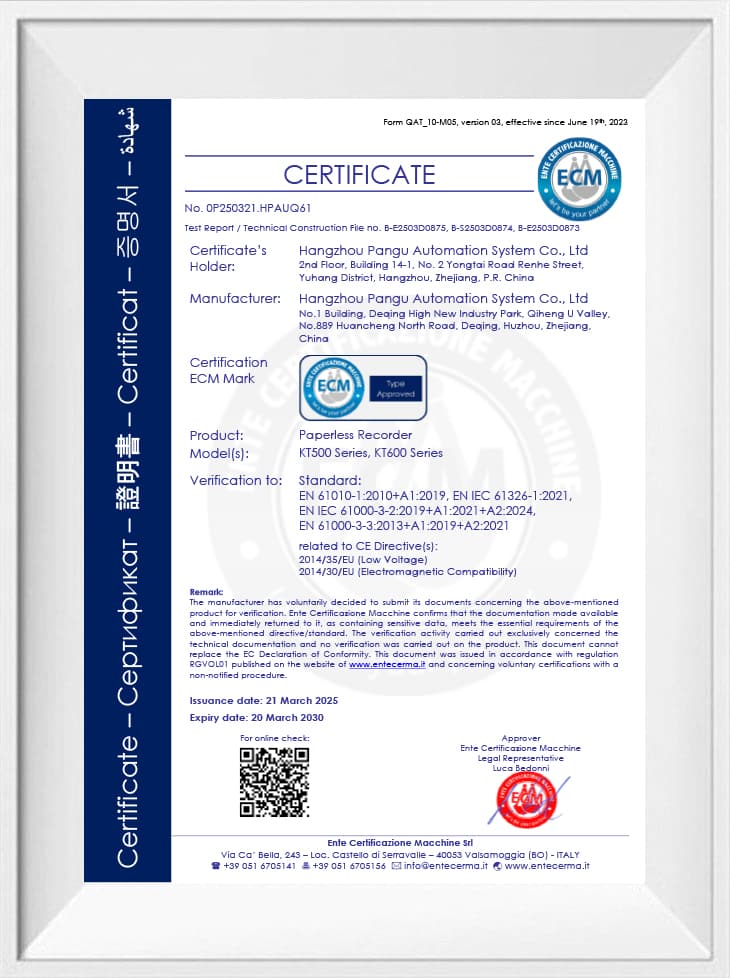 CE Certificate
 SIL Certificate
Yes. Send us your requirements and we will propose a solution.
Standard models ship quickly; custom orders depend on quantity.
Tell us your requirements and our engineers will reply promptly.
✉pangusales@vip.163.com
☎+86 13967196545
⚑602-702, Block D, Building 3, Area B,Xigang New Territories, 206 Zhenhua Road,Hangzhou City, Zhejiang Province, China